Ingmar Persson offers an original view of the processes of human action: deliberating on the basis of reasons for and against actions, making a decision about what to do, and from there implementing the decision in action in a way that makes the action intentional.
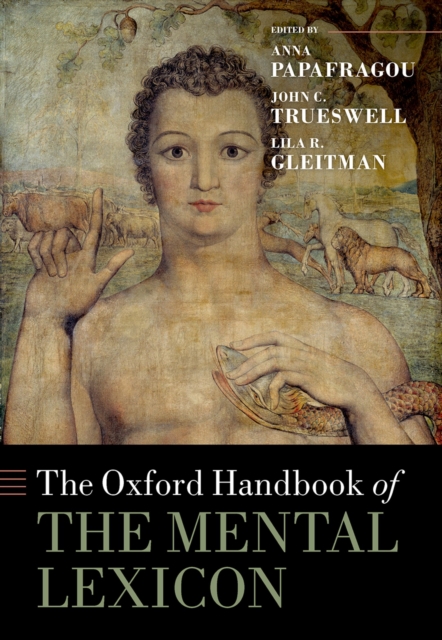
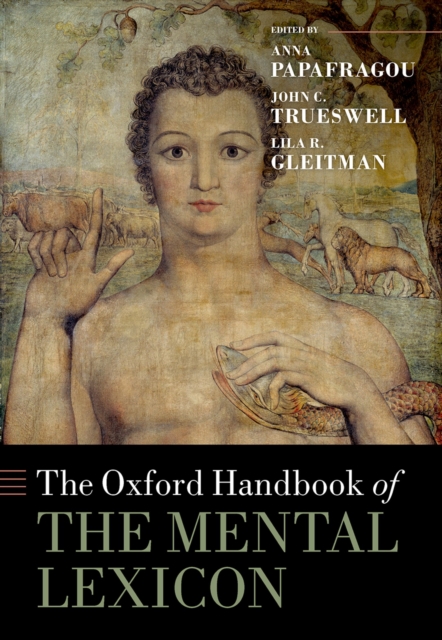
This volume brings together the latest research from leading scholars on the mental lexicon - the representation of language in the mind/brain at the level of individual words and meaningful sub-word units.
This volume brings together the latest research from leading scholars on the mental lexicon - the representation of language in the mind/brain at the level of individual words and meaningful sub-word units.
Women and Philosophy in Eighteenth-Century Germany showcases the vibrant and diverse contributions on the part of women in eighteenth-century Germany and explores their under-appreciated influence upon philosophical debate in Germany in this period.
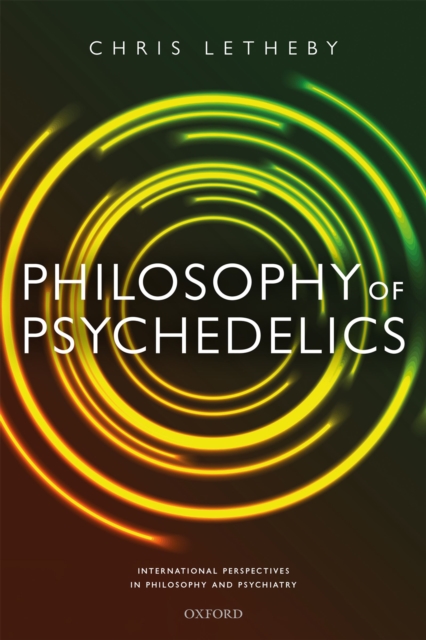
Recent clinical trials show that psychedelics such as LSD and psilocybin can be given safely in controlled conditions, and can cause lasting psychological benefits with one or two administrations.
Oxford Studies in Philosophy of Mind presents cutting-edge work in the philosophy of mind, combining invited articles and articles selected from submissions.
Oxford Studies in Philosophy of Mind presents cutting-edge work in the philosophy of mind, combining invited articles and articles selected from submissions.
In Wittgenstein on Logic as the Method of Philosophy, Oskari Kuusela examines Wittgenstein's early and late philosophies of logic, situating their philosophical significance in early and middle analytic philosophy with particular reference to Frege, Russell, Carnap, and Strawson.
In Wittgenstein on Logic as the Method of Philosophy, Oskari Kuusela examines Wittgenstein's early and late philosophies of logic, situating their philosophical significance in early and middle analytic philosophy with particular reference to Frege, Russell, Carnap, and Strawson.
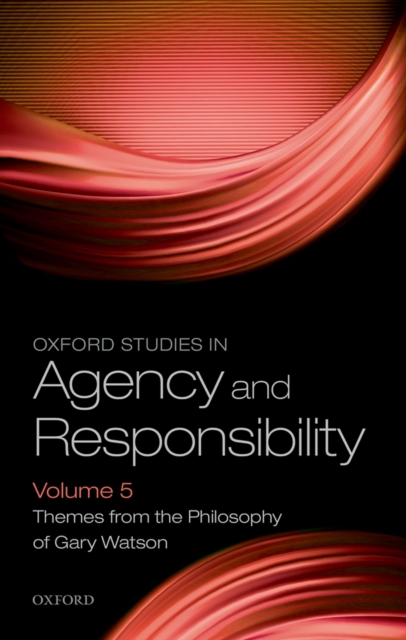
Oxford Studies in Agency and Responsibility is a series of volumes presenting outstanding new work on a set of connected themes, investigating such questions as: What does it mean to be an agent?
Oxford Studies in Agency and Responsibility is a series of volumes presenting outstanding new work on a set of connected themes, investigating such questions as: What does it mean to be an agent?
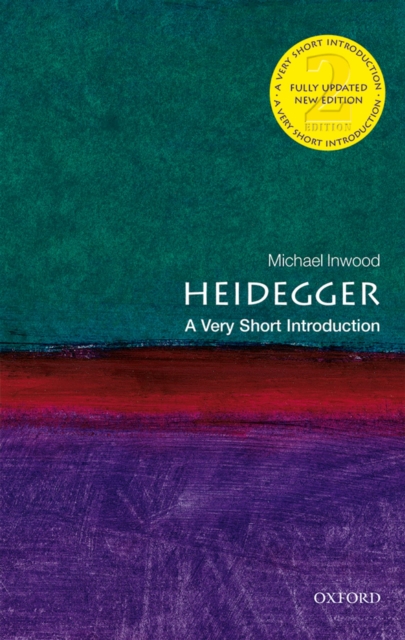
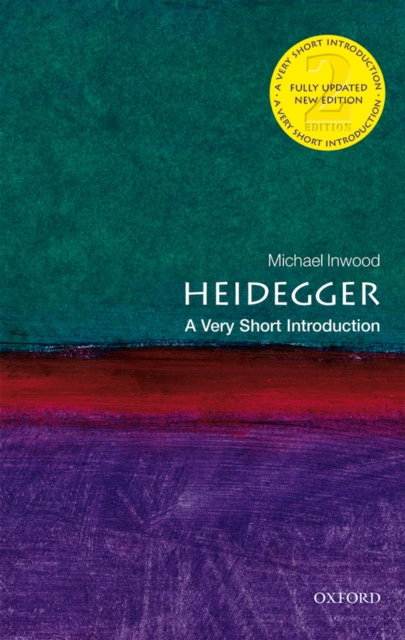
Martin Heidegger, considered by some to be the greatest charlatan ever to claim the title of 'philosopher', by some as an apologist for Nazism, and by others as an acknowledged leader in continental philosophy, is probably the most divisive thinker of the twentieth century.
Martin Heidegger, considered by some to be the greatest charlatan ever to claim the title of 'philosopher', by some as an apologist for Nazism, and by others as an acknowledged leader in continental philosophy, is probably the most divisive thinker of the twentieth century.
It is natural to distinguish, for any thinking creature, those events and states that are internal to the creature -- its brain states, for example -- from those that are not.