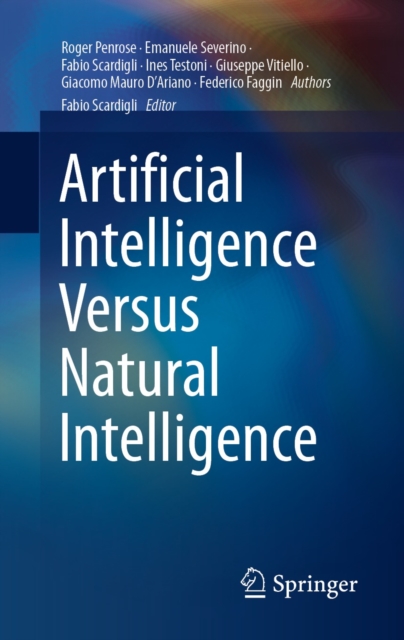
This book centers around a dialogue between Roger Penrose and Emanuele Severino about one of most intriguing topics of our times, the comparison of artificial intelligence and natural intelligence, as well as its extension to the notions of human and machine consciousness.
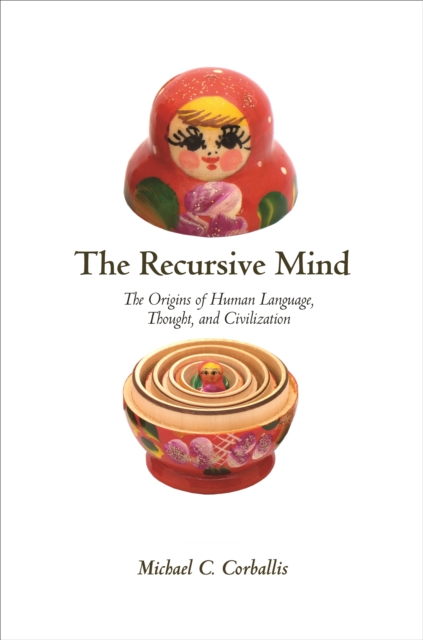
A groundbreaking theory of what makes the human mind uniqueThe Recursive Mind challenges the commonly held notion that language is what makes us uniquely human.
Very Short Introductions: Brilliant, Sharp, Inspiring Imagination: A Very Short Introduction explores imagination as a cognitive power and an essential dimension of human flourishing, demonstrating how imagination plays multiple roles in human cognition and shapes humanity in profound ways.
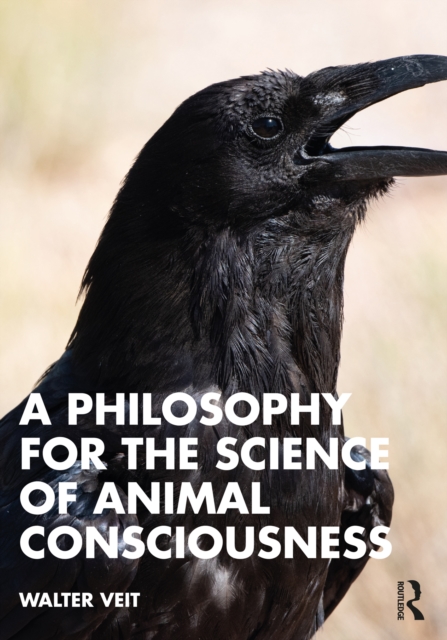
This book attempts to advance Donald Griffin's vision of the "e;final, crowning chapter of the Darwinian revolution"e; by developing a philosophy for the science of animal consciousness.
David Humes philosophical work presents the reader with a perplexing mix of constructive accounts of empirically guided belief and destructive sceptical arguments against all belief.
David Humes philosophical work presents the reader with a perplexing mix of constructive accounts of empirically guided belief and destructive sceptical arguments against all belief.
This Brief introduces two empirically grounded models of situated mental phenomena: contextual social cognition (the collection of psychological processes underlying context-dependent social behavior) and action-language coupling (the integration of ongoing actions with movement-related verbal information).
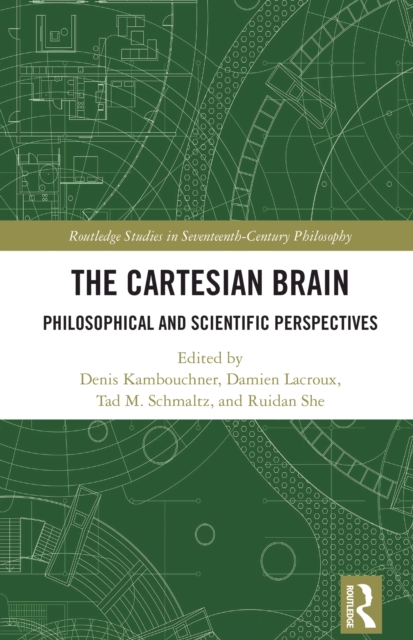
This interdisciplinary book ties the historical work of Descartes to his successors through current research and critical overviews on the neuroscience of consciousness, the brain, and cognition.
The book is the first detailed and full exegesis of the role of death in Heidegger's philosophy and provides a decisive answer to the question of being.
This book offers a unique perspective on the topic of boredom, with chapters written by diverse representatives of various mental health disciplines and philosophical approaches.
This book features 20 essays that explore how Latin medieval philosophers and theologians from Anselm to Buridan conceived of habitus, as well as detailed studies of the use of the concept by Augustine and of the reception of the medieval doctrines of habitus in Suarez and Descartes.
This book suggests that to know how Wittgenstein's post-Tractarian philosophy could have developed from the work of Kant is to know how they relate to each other.
This volume presents new research on Cartesian psychophysiology that combines historical and textual analysis with a consideration of recent advances in contemporary neuroscience research.
This persuasive volume develops a novel approach to medical education and the medical humanities, making a case for the integration of the two to explore the ways in which 'warm' humanism and 'cold' technologies can come together to design humane posthumanist futures in medicine.
Unorthodox Minds in Contemporary Fiction seeks to provide an overview of the ways in which broadly understood contemporary fiction envisions, explores and engenders minds going beyond the classical models.
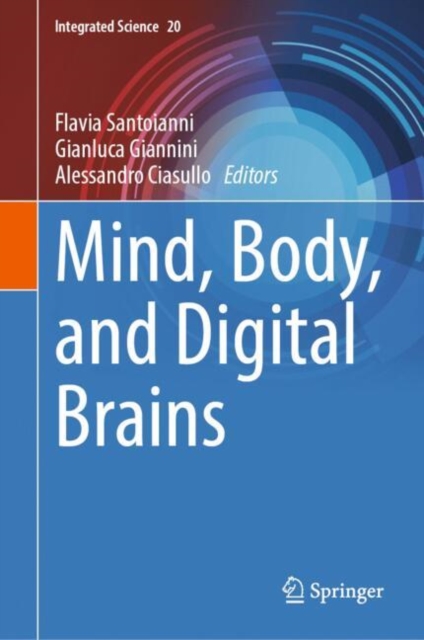
This book-Mind, Body, and Digital Brains-focuses on both theoretical and empirical issues and joins contributions from different disciplines, concepts, and sensibilities, bringing together scholars from fields that at first glance may appear different-Neuroscience and Cognitive Neuroscience; Robotics, Computer Science, Deep Learning, and Information Processing Systems; Education, Philosophy, Law, and Psychology.
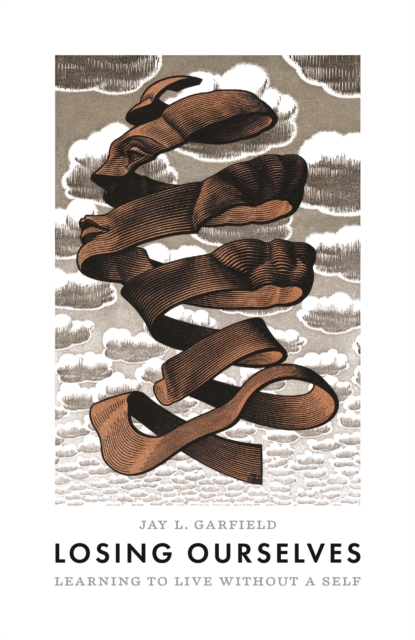
Why you don't have a self-and why that's a good thingIn Losing Ourselves, Jay Garfield, a leading expert on Buddhist philosophy, offers a brief and radically clear account of an idea that at first might seem frightening but that promises to liberate us and improve our lives, our relationships, and the world.
Die 'Vorlesungen und Abhandlungen Schopenhauer's' von Arthur Schopenhauer bieten einen tiefen Einblick in die Philosophie dieses bedeutenden Denkers des 19.
From ancient conceptions of becoming a philosopher to modern discussions of psychedelic drugs, the concept of transformation plays a fascinating part in the history of philosophy.
From ancient conceptions of becoming a philosopher to modern discussions of psychedelic drugs, the concept of transformation plays a fascinating part in the history of philosophy.
This volume presents new research on Cartesian psychophysiology that combines historical and textual analysis with a consideration of recent advances in contemporary neuroscience research.
Including both traditional and underrepresented accounts and geographies of soul, body, gender, and sexuality in late antique history, philosophy, and theology, this volume offers substantial re-readings of these and related concepts through theories of dis/embodiment.
The Routledge Handbook of Phenomenology of Mindfulness brings together two schools of thought and practice that - despite rarely being examined jointly - provide an incredibly fruitful way for exploring thinking, the mind, and the nature and practice of mindfulness.
The Concept of the Individual in Psychoanalysis considers the different conceptions of the individual that are found in psychoanalysis according to the culture in which it operates, and its political structure.