A Unified Treatment of Moore's Paradox is the culmination of a decades-long engagement with Moore's paradox by the world's leading authority on the subject, the late John Williams.
The aim of Kant's Order of Reason is to give an account of Kant's conception of rational agency that clarifies and explains both the scope and nature of such activity, and elucidates the centrality of Kant's account of rational determination for his mature critical philosophy.
A recent wave of research in psychiatry and neuroscience has re-examined the properties of "e;classic"e; psychedelic substances - also known as serotonergic hallucinogens - such as psilocybin, LSD, and DMT.
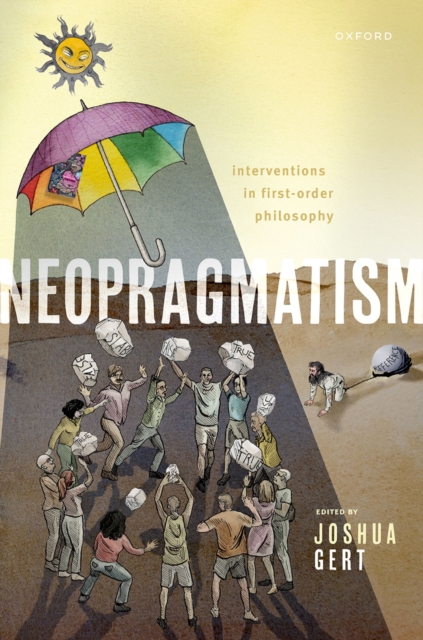
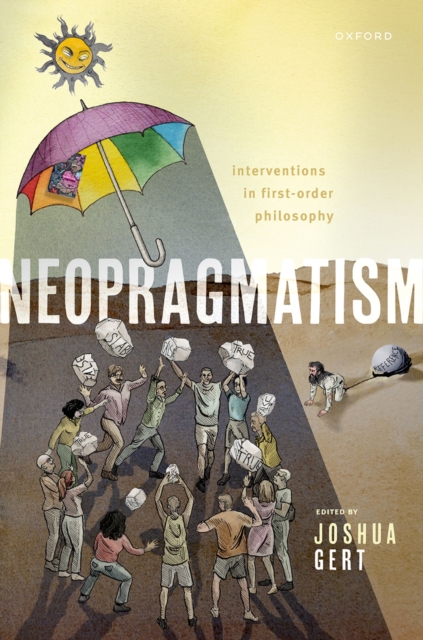
Neopragmatism is a very general language-first approach to questions about the existence or nature of various traditionally philosophically troubling entities or properties.
Neopragmatism is a very general language-first approach to questions about the existence or nature of various traditionally philosophically troubling entities or properties.
This is the first of two volumes of essays in commemoration of Alan Turing, whose pioneering work in the theory of artificial intelligence and computer science continues to be widely discussed today.
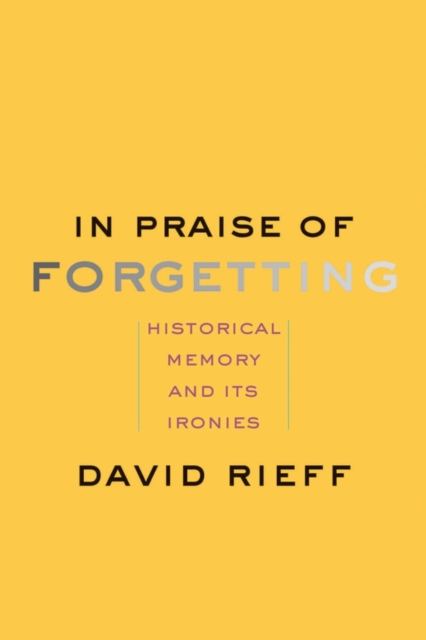
A leading contrarian thinker explores the ethical paradox at the heart of history's wounds The conventional wisdom about historical memory is summed up in George Santayana’s celebrated phrase, “Those who cannot remember the past are condemned to repeat it.
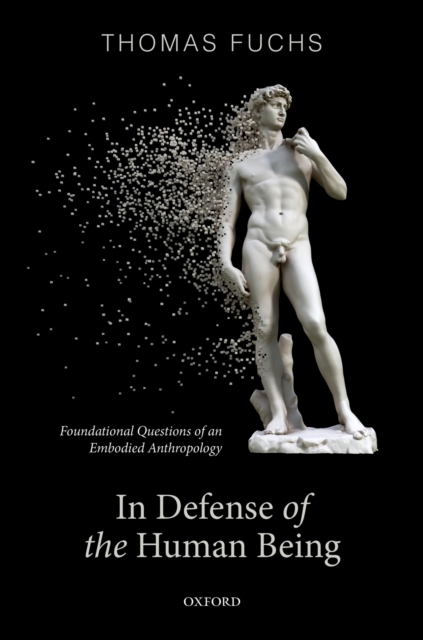
With the progress of artificial intelligence, the digitalization of the lifeworld, and the reduction of the mind to neuronal processes, the human being increasingly appears to be just a product of data and algorithms.
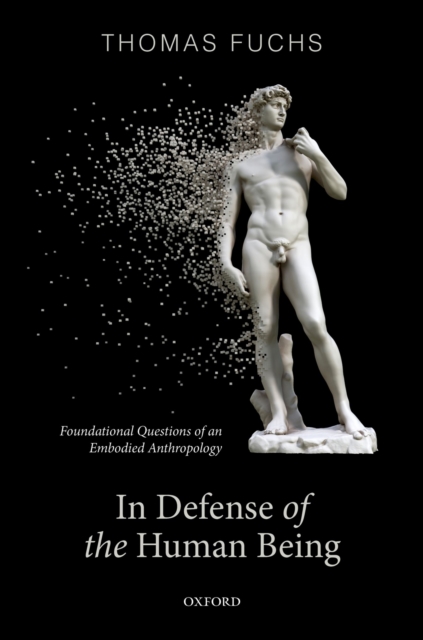
With the progress of artificial intelligence, the digitalization of the lifeworld, and the reduction of the mind to neuronal processes, the human being increasingly appears to be just a product of data and algorithms.
A leading contrarian thinker explores the ethical paradox at the heart of history's wounds The conventional wisdom about historical memory is summed up in George Santayana’s celebrated phrase, “Those who cannot remember the past are condemned to repeat it.
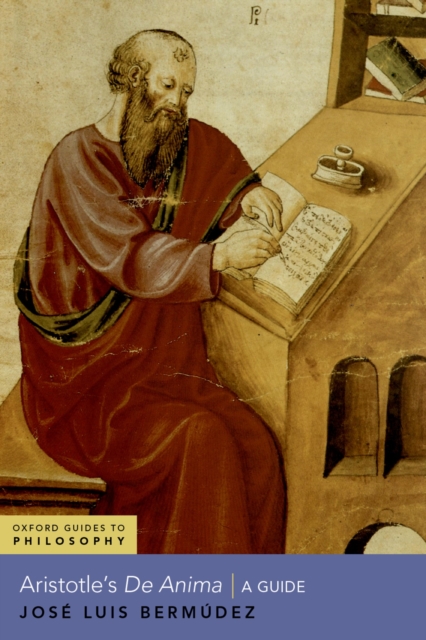
Aristotle's De Anima is an extraordinarily influential text in the history of philosophy; it is also one of the earliest works in what we now call psychology.
Human knowledge, as we understand it in the everyday, appears to make up a complex category, admitting of numerous forms, species, modes, or variations.
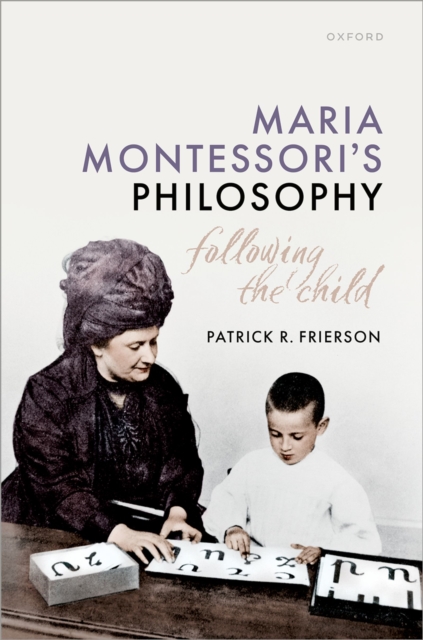
Maria Montessori's Philosophy shows how Montessori's commitment to "e;follow the child"e; can be understood as a philosophical method for answering the great philosophical questions that confront human beings.
Though a field often thought far from the center of contemporary philosophy, philosophy of art—perhaps more than any other field similarly situated—nevertheless enjoys extensive overlap with and points of exchange at that center.
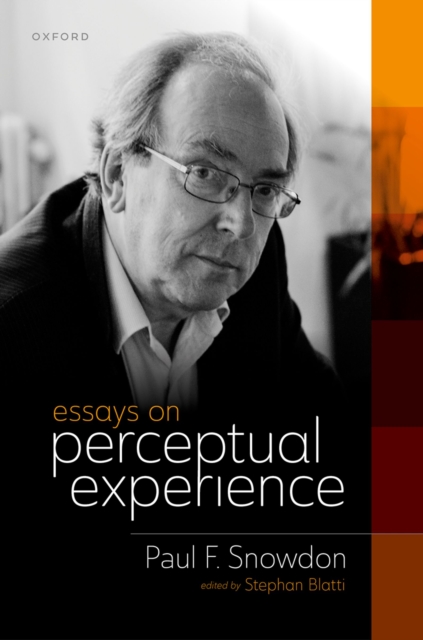
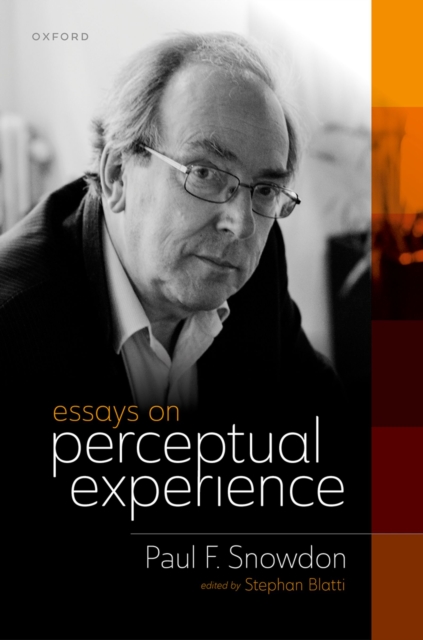
There is a tendency, in contemporary epistemology, to treat 'perceptual knowledge' and 'self-knowledge' as labels for different and largely unconnected sets of philosophical problems.
In this reflective exploration of existence, consciousness, mortality and freedom, Cesar Sturla confronts one of humanity's oldest questions: Is life a gift to be embrace , or does the certainty of death make it a curse?
Desde la busqueda de Socrates de una vida que merezca ser vivida hasta la factibilidad de que hombres y maquinas compartan sistemas isomorficos bajo nuevos horizontes de sentido, la pregunta por el Hombre no ha dejado de (re)formularse y de abrir nuevas areas de conocimiento.
Dieses Büchlein bietet eine fundierte politikphilosophische Reflektion über die Schicksalhaftigkeit von „Krieg und Frieden“ samt ihrer universalen Bedeutung für Mensch, Gesellschaft, Natur und Kosmos.
At the Edge of Becoming is a four-book collection about identity, awareness, possibility, relationship, consciousness, and the mystery that remains when certainty reaches its limits.