Lost Works tells the story a man who once lived and is still alive, seeking to share his poetry, art, stories, creativity, thought, and science with the world.
This book takes us on a journey through three thousand years of history, showing us men and women searching for God and finding the answers to their quest in an amazingly diverse variety of life experiences.
The Buddhist view of the mind - how it works, how it goes wrong, how to put it right - is increasingly being recognised as profound and highly practical by scientists, counsellors and other professionals.
Originally published in 1902, this book is 'A practical scientific explanation of thought or mind force - the law which governs all mental and physical action and phenomena - the cause of life and death'.
This major new study by one of the most penetrating and persistent critics of philosophical and scientific orthodoxy, returns to Aristotle in order to examine the salient categories in terms of which we think about ourselves and our nature, and the distinctive forms of explanation we invoke to render ourselves intelligible to ourselves.
Through a collection of original essays from leading philosophical scholars, Stich and His Critics provides a thorough assessment of the key themes in the career of philosopher Stephen Stich.
Das Gewissen, oder auch die ›innere Stimme‹ – ist eine metaphorische Instanz, das den internen Dialog oder die Gedanken beschreibt, die Menschen in ihrem Geist erfahren.
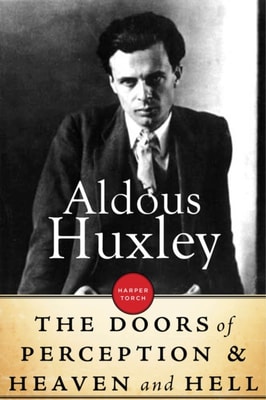
Long before the psychedelic drug movement of the 1960s, Aldous Huxley wrote about his mind-expanding experiences taking mescaline and participating in ecstatic meditation in his essays The Doors of Perception and Heaven and Hell.
Bernard Lonergan's De constitutione Christi was written to accompany a course being taught in Latin at the Gregorian University, Rome during the 1950s and 60s.
Debates current in the philosophy of mind regarding the gathering and processing of information, and the nature of perception and representation, also animated some of the most important figures in early modern philosophy, among them Descartes, Hume, and Berkeley.
Philosophical Foundations of Psychotherapy promotes a critical understanding of the ideas, traditions, values, and principles that inform and shape - for better or for worse - what therapists do.
Essays on "e;The Soul's Logical Life"e; in the Work of Wolfgang Giegerich: Psychology as the Discipline of Interiority is the second collection of essays dedicated to the study and application of psychology as the discipline of interiority-a new 'wave' within analytical psychology which pushes off from the work of C.