Four values--justice, consent, equality, and collective decision in the form of law--have profoundly shaped the practice of law in the twentieth century and beyond.
Richard Wollheim (1923-2003)is best known as a path-breaking philosopher of art and of mind, but his work on political philosophy is a major third strand of his writing.
According to a common narrative, identity politics derives from leftist postmodernism, and is antithetical to both liberalism and Enlightenment universalism.
Richard Wollheim (1923-2003)is best known as a path-breaking philosopher of art and of mind, but his work on political philosophy is a major third strand of his writing.
Civil resistance campaigns have led to some of the most important international developments in recent years, yet little is known of the role that civilian actors can play in challenging the use of violence by militant groups.
In Love and its Place in Virtue, Christine Swanton argues for an original position on the relations between love and virtue and love and virtue ethics.
Contrast the glittering palette used to decorate rickshaws on the streets of Mumbai, the phlegmatic angst of Nordic noir, the taut ovoids of Kwakwaka'wakw carving, or the kawaii invasion of parts of Tokyo.
The Possibility of Moral Community defends the claim that there could be a moral community, a community of rational creatures somewhat like ourselves living together in ways informed and regulated by shared normative standards and understandings.
In Love and its Place in Virtue, Christine Swanton argues for an original position on the relations between love and virtue and love and virtue ethics.
Contrast the glittering palette used to decorate rickshaws on the streets of Mumbai, the phlegmatic angst of Nordic noir, the taut ovoids of Kwakwaka'wakw carving, or the kawaii invasion of parts of Tokyo.
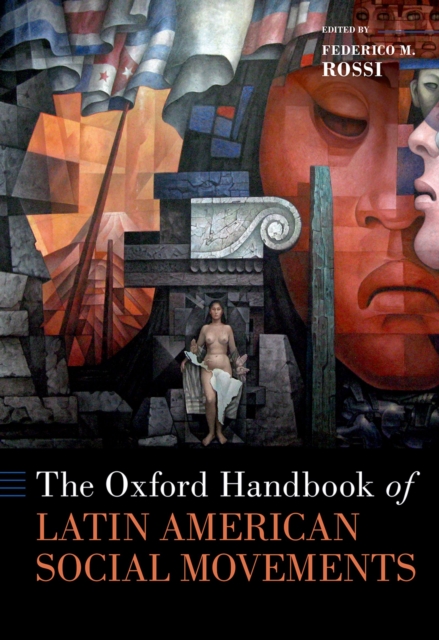
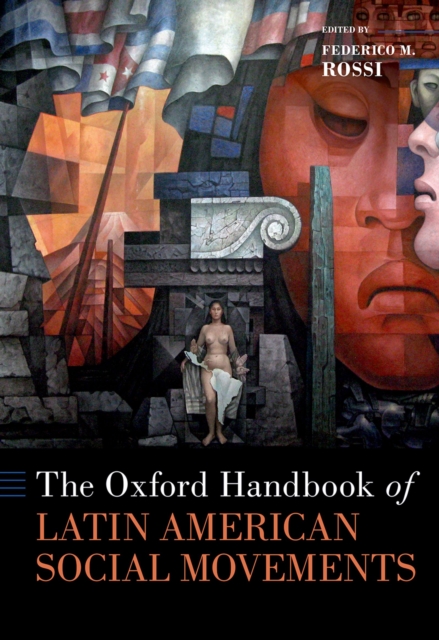
Since the re-democratization of much of Latin America in the 1980s and a regional wave of anti-austerity protests in the 1990s, social movement studies has become an important part of sociological, political, and anthropological scholarship on the region.
Since the re-democratization of much of Latin America in the 1980s and a regional wave of anti-austerity protests in the 1990s, social movement studies has become an important part of sociological, political, and anthropological scholarship on the region.
The Oxford Handbook of Research Ethics provides a critical overview of the ethics of human subjects research within multiple disciplines and fields, including biomedicine, public health, behavioral science, psychiatry, sociology, political science, and public policy.