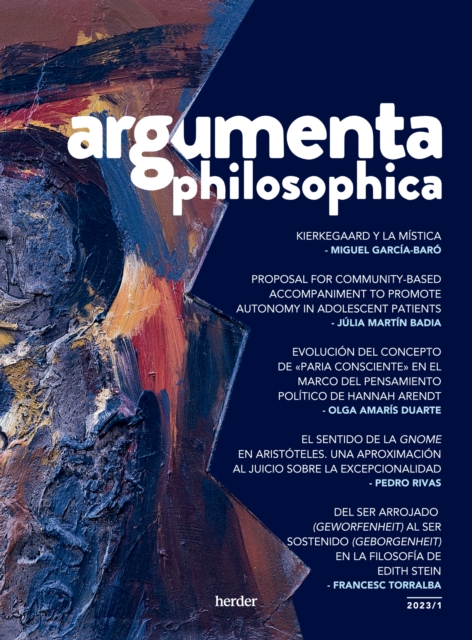
Argumenta philosophica es una revista internacional de carácter científico y de investigación filosófica que se publica semestralmente y se dirige a un público universitario.
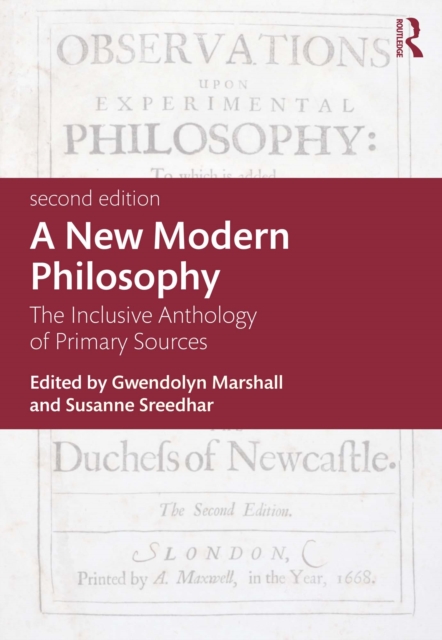
The seventeenth and eighteenth centuries are arguably the most important period in philosophy's history, given that they set a new and broad foundation for subsequent philosophical thought.
In this book Paddy McQueen examines the role that 'recognition' plays in our struggles to construct an identity and to make sense of ourselves as gendered beings.
John Randolph LeBlanc examines the political oeuvre of critic and activist Edward Said and finds that Said preferred "reconciliation" to segregation in Palestine/Israel.
The Unsustainable Presidency develops a structural theory of the office by challenging and redefining the twin imperatives upon which the modern chief executive was constructed and by applying the theory to the three most recent presidents: Bill Clinton, George W.
Using a variety of cases from history and today's life, the book examines character attackers targeting the private lives, behavior, values, and identity of their victims.
Subterranean Politics and Freud's Legacy seeks to reestablish psychoanalysis as an ally to critical theory's efforts to restore subjectivity and oppose systemic domination in modernity.
Independence, Propertylessness, and Basic Income argues that philosophers have focused too much on scalar freedom and proposes a theory of status freedom as effective control self-ownership: the power to have or refuse active cooperation with other willing people, or simply: freedom as the power to say no.
Shedding light on the relationship between violence and contemporary society, this volume explores the distinctive but little-known theories of violence in the work of Georges Bataille and Jean Baudrillard, applying these to a range of violent events - events often labelled 'inexplicable' - in order to show how even the most extreme of acts can be seen as socially meaningful.
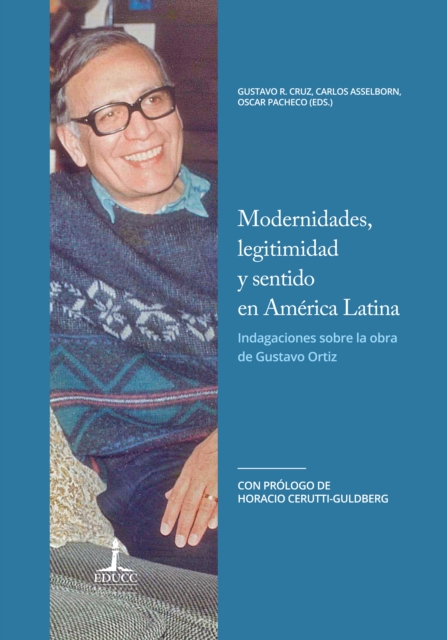
Este libro recoge ensayos y estudios sobre diferentes aspectos y momentos de la obra del filósofo cordobés Gustavo Ortiz (1941-2014), realizados por profesores-investigadores de la Universidad Católica de Córdoba, que tuvieron diversos vínculos con Ortiz.
This is the first Anglophone volume on emigre scholars' influence on International Relations, uniquely exploring the intellectual development of IR as a discipline and providing a re-reading of some of its almost forgotten founding thinkers.
Shedding light on the relationship between violence and contemporary society, this volume explores the distinctive but little-known theories of violence in the work of Georges Bataille and Jean Baudrillard, applying these to a range of violent events - events often labelled 'inexplicable' - in order to show how even the most extreme of acts can be seen as socially meaningful.
En este libro se desentraña cómo Silencios muestra la continuidad o "repetición" de la historia como catástrofe, esto es, la hermandad de las víctimas, entre el judío que sobrevive y el desplazado, o entre el quemado y el ahogado.
Examining essential aspects of American life, John Budd investigates how informational sources (print and broadcast media and other resources) fall short when it comes to informing citizens, failing our democracy and damaging the public good.
Ironic Freedom asserts that freedom from governmental interference may make people vulnerable to other sources of coercion; these affects vary by gender, race, and class.
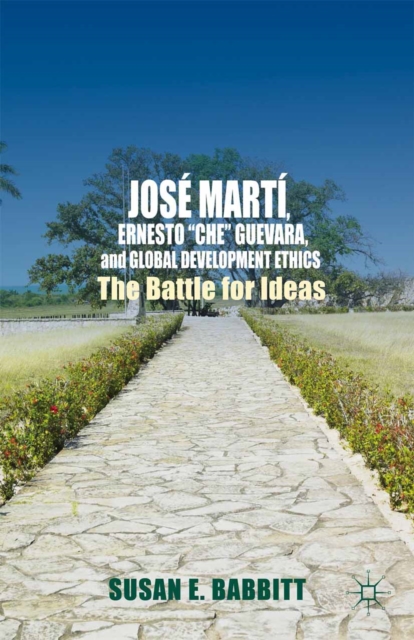
This book argues that the overlooked ideas of Jose Marti and Ernesto 'Che' Guevara explain recent politics in Latin America and the Caribbean but also, even more significantly, offer a defensible alternative direction for global development ethics.
This book gives a comprehensive overview of the literature on development in Sub-Saharan Africa, and challenges the notions of African public officials presented there.
This book describes and analyzes the gravest crisis now facing constitutional democracy: the fundamental conflict between liberal and egalitarian values.
This book is a timely revival of the social and political importance of meaningful work, which explores a philosophy of work based upon the value of meaningfulness and argues for the institution of a new politics of meaningfulness.
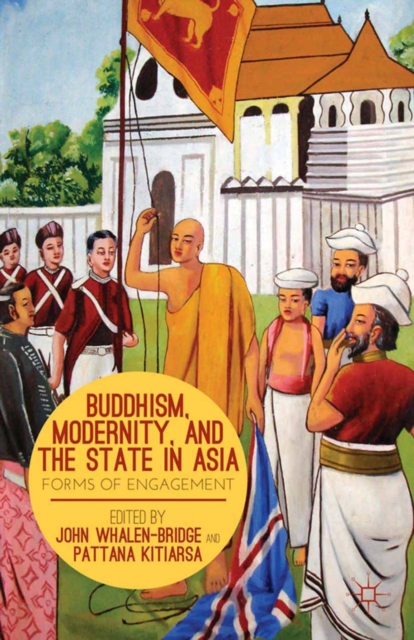
Leading scholars working on Buddhism and politics in South and Southeast Asia add to current discussions regarding 'Engaged Buddhism' and the recent work on protests.
The study of narratives in a variety of disciplines has grown in recent years as a method of better explaining underlying concepts in their respective fields.
In seiner Schrift Über Sozialismus erweist sich Mill als radikaler Kritiker einer grundlegenden Institution der bürgerlichen Gesellschaft: des Privateigentums.
This book reviews bureau-type organizations delivering network goods, documenting how most global institutions greatly improved their effectiveness during the last few decades.
Being Shaken is a multifaceted meditation by leading philosophers from Europe and North America on ways in which events disrupt the complacency of the ontological paradigm at the personal, ethical, theological, aesthetic, and political levels.
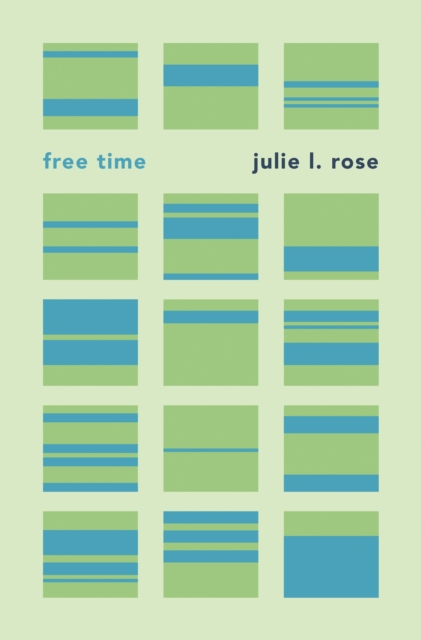
Recent debates about inequality have focused almost exclusively on the distribution of wealth and disparities in income, but little notice has been paid to the distribution of free time.
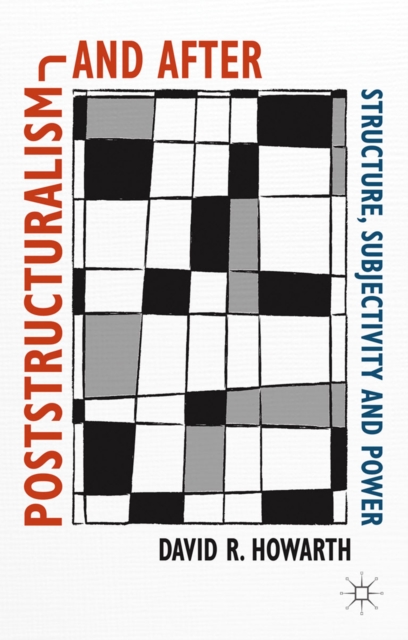
This book articulates the key theoretical assumptions of poststructuralism, but also probes its limits, evaluates rival approaches and elaborates new concepts.
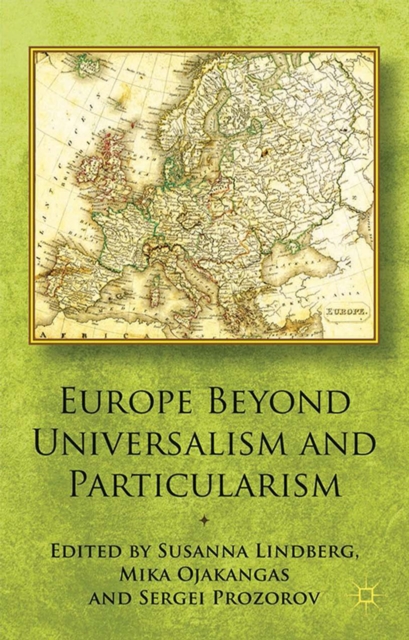
Resulting from an interdisciplinary dialogue between philosophy, political science and International Relations about Europe as a political community this volume rethinks the European political project beyond the rigid opposition between universalism and particularism approaching Europe as a space of the exposure of differences to each other.
Conservatism and Pragmatism illustrates the intersections between classical British Conservative thought and classical American Pragmatist philosophy with regard to methodology in politics, ethics, and law.
Based on an insightful and innovative reading of Kant's theory of knowledge, this book explores the political implications of Kant's philosophical writings on knowledge.
The Moral Responsibilities of Companies is a philosophical analysis of the question of whether companies can be held morally responsible for the harms they create, and what implications such a view has on the moral position of employees and shareholders in these companies.
Civil Disobedience and the Politics of Identity is an attempt to provide criteria for when it is both morally necessary and politically expedient to break with civic harmony social cohesion in the name of a higher social justice.
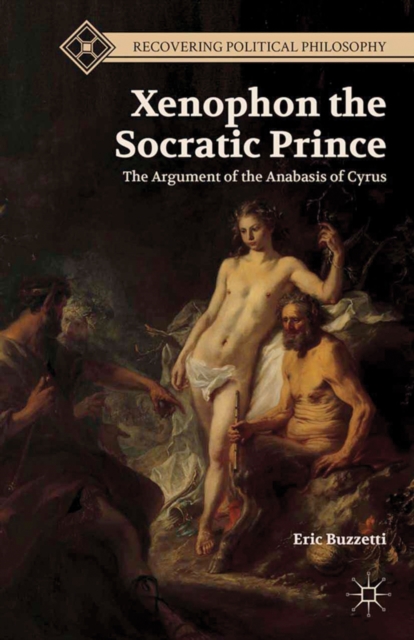
An interpretation of Xenophon's Anabasis of Cyrus, paralleling the text to Machiavelli's The Prince, and focusing on the question: How did the Socratic education help Xenophon reconcile morality with effectiveness, the noble with the good, as a ruler?