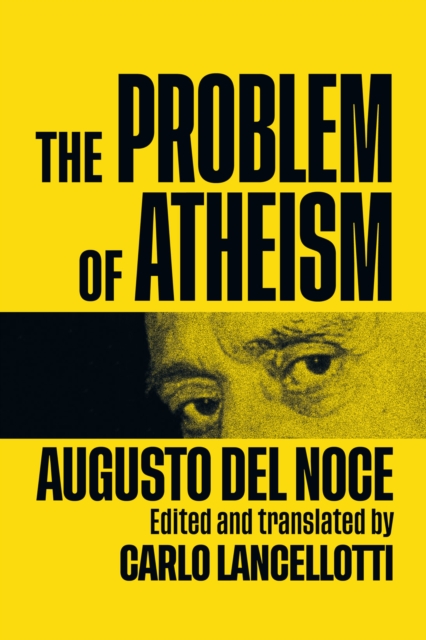
The interplay between violence, religion, and politics is a central problem for societies and has attracted the attention of important philosophers, including Martin Heidegger, Jacques Derrida, and Rene Girard.
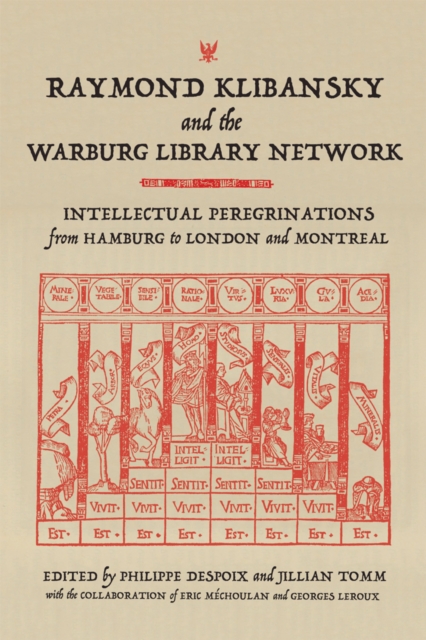
The Warburg Institute, founded in the 1920s in Hamburg by art and cultural historian Aby Warburg, is a pioneering institution that has greatly shaped the fields of art, myth, religion, medicine, philosophy, and intellectual history.
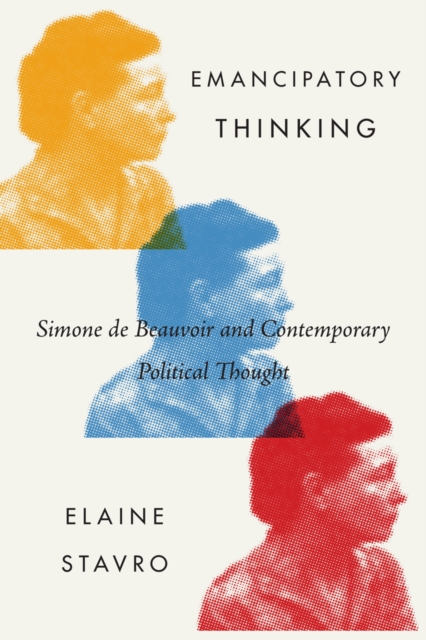
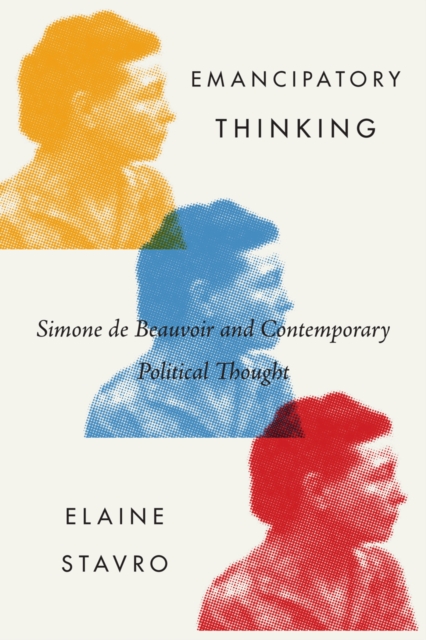
Most scholars have focused on The Second Sex and Simone de Beauvoir's fiction, concentrating on gender issues but ignoring her broader emancipatory vision.
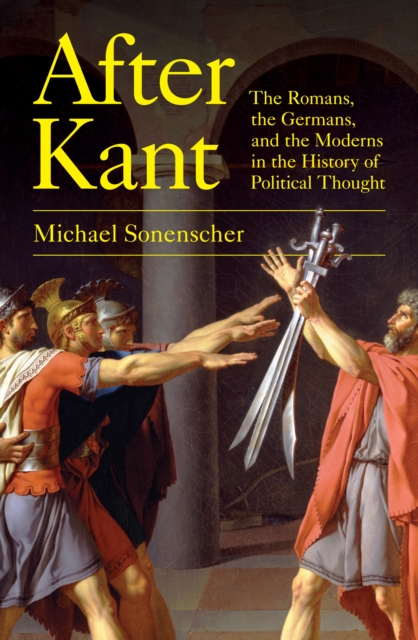
Tracing the origins of modern political thought through three sets of arguments over history, morality, and freedomIn this wide-ranging work, Michael Sonenscher traces the origins of modern political thought and ideologies to a question, raised by Immanuel Kant, about what is involved in comparing individual human lives to the whole of human history.
Most scholars have focused on The Second Sex and Simone de Beauvoir's fiction, concentrating on gender issues but ignoring her broader emancipatory vision.
Canadian Environmental Philosophy is the first collection of essays to take up theoretical and practical issues in environmental philosophy today, from a Canadian perspective.
Canadian Environmental Philosophy is the first collection of essays to take up theoretical and practical issues in environmental philosophy today, from a Canadian perspective.
The interplay between violence, religion, and politics is a central problem for societies and has attracted the attention of important philosophers, including Martin Heidegger, Jacques Derrida, and Rene Girard.
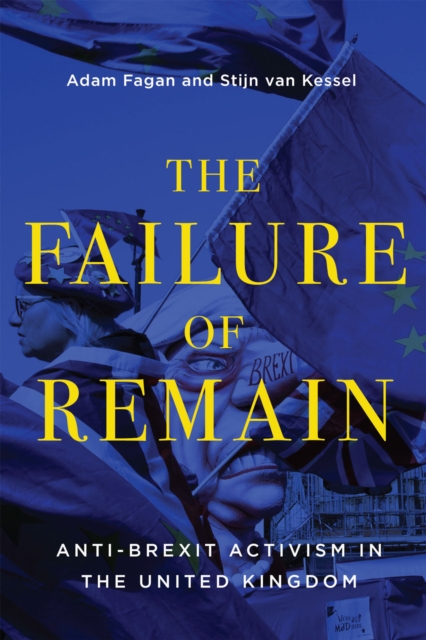
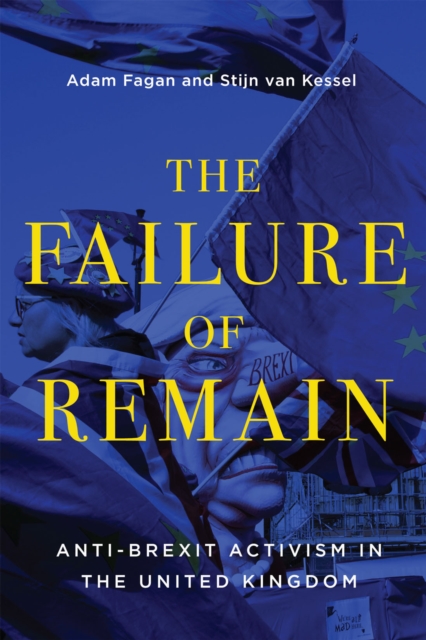
Studies of the United Kingdom's decision to leave the European Union ("e;Brexit"e;) have largely focused on the role of politicians and political parties, on the one hand, and the characteristics of Leave and Remain voters on the other.
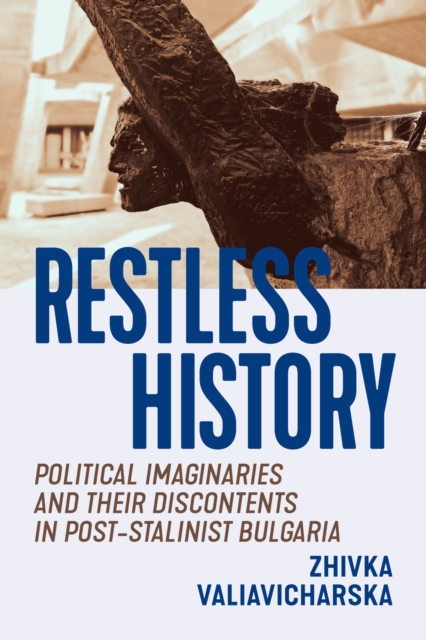
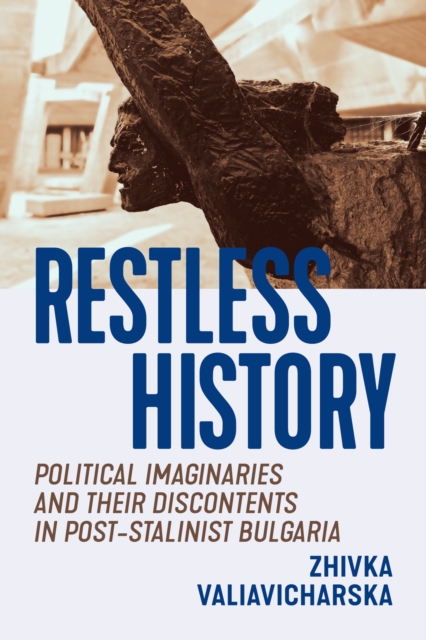
Post-Stalinism - the last three decades of socialism in the Soviet Union and Eastern Europe - gave birth to new political ideas and social struggles, which reshaped socialist societies and forged new global imaginaries.
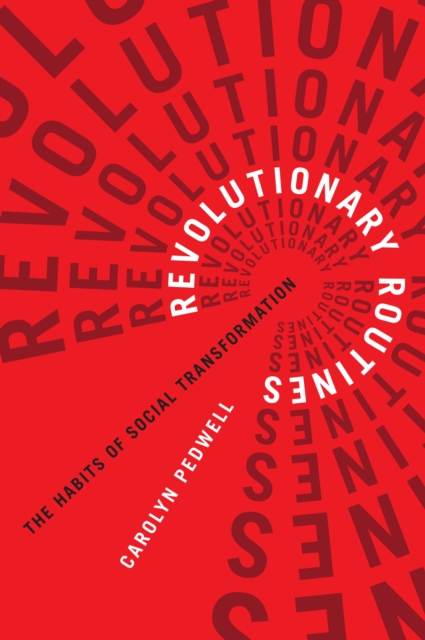
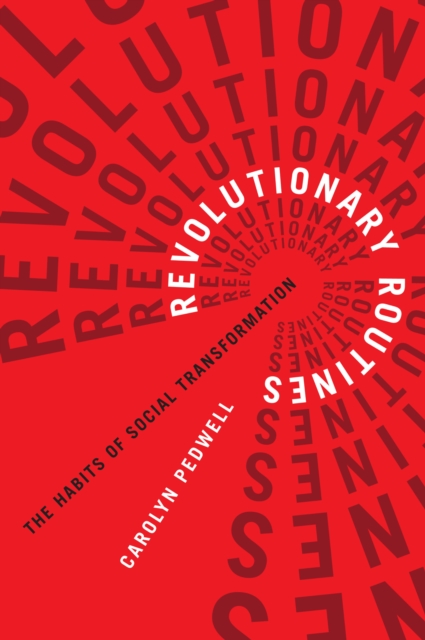
Although we tend to associate social transformation with major events, historical turning points, or revolutionary upheaval, Revolutionary Routines argues that seemingly minor everyday habits are the key to meaningful change.
Studies of the United Kingdom's decision to leave the European Union ("e;Brexit"e;) have largely focused on the role of politicians and political parties, on the one hand, and the characteristics of Leave and Remain voters on the other.
Post-Stalinism - the last three decades of socialism in the Soviet Union and Eastern Europe - gave birth to new political ideas and social struggles, which reshaped socialist societies and forged new global imaginaries.
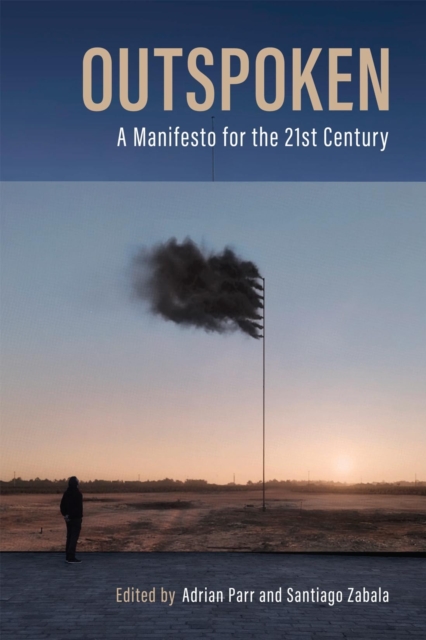
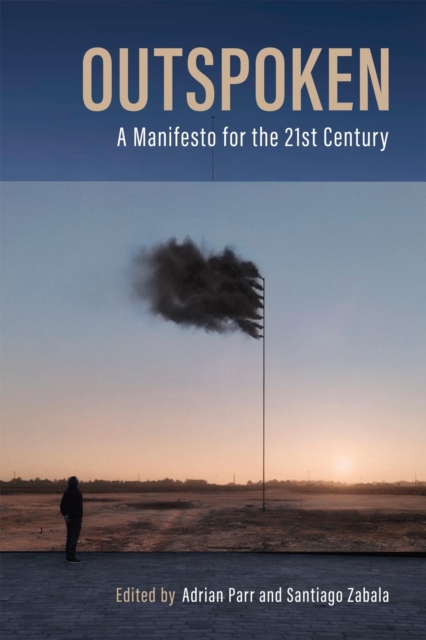
In a world of increasing right-wing populism, global capitalism, and a climate emergency, leading thinkers come together to interrogate the meaning and practice of being outspoken.
Although we tend to associate social transformation with major events, historical turning points, or revolutionary upheaval, Revolutionary Routines argues that seemingly minor everyday habits are the key to meaningful change.
In a world of increasing right-wing populism, global capitalism, and a climate emergency, leading thinkers come together to interrogate the meaning and practice of being outspoken.
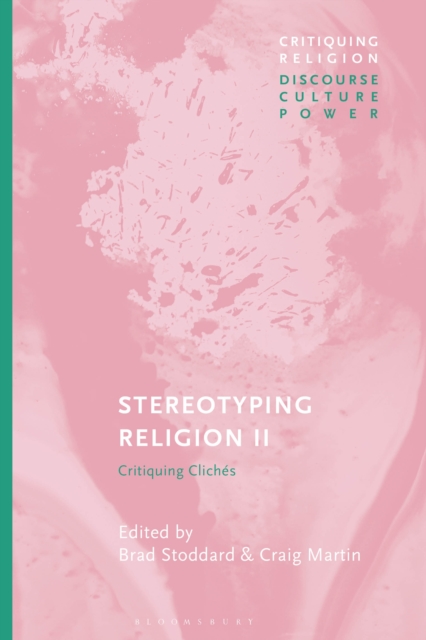
Building on the success of Stereotyping Religion: Critiquing Clich s, this follow up volume dismantles a further 10 widespread stereotypes and clich s about religion, focusing on clich s that a new generation of students are most familiar with.
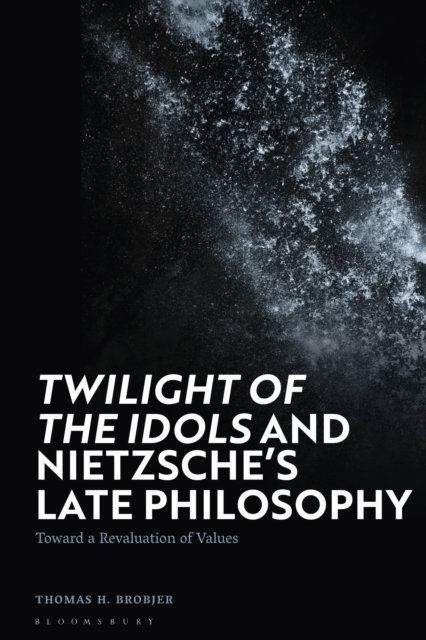
Thomas Brobjer revisits Nietzsche's Twilight of the Idols (1888) and positions it as a rich and stimulating work that contains and summarizes much of Nietzsche's late philosophy, especially his unfinished magnum opus, The Revaluation of All Values.