This book offers the first comprehensive philosophical examination of the free speech 'battles' of the last decade, arguing for a critical republican conception of civility as an explanatory and prescriptive solution.
The topics covered in this volume, originally published in 1973, include the need for a more adequate concept or definition of education, the issue of whether indoctrination is compatible with education, particularly with moral education, and the processes of judging the merits of different approaches to aesthetic education.
This book looks at facets in the history of capitalism from the Enlightenment period, through the emergence of the American Empire in the Pacific, and to the contemporary era of neoliberal globalization.
Originally published in 1980, this book examines the major issues in the philosophy of social science, paying specific attention to cross-cultural understanding, humanism versus scientism, individualism versus collectivism, and the shaping of theory by evaluative commitment.
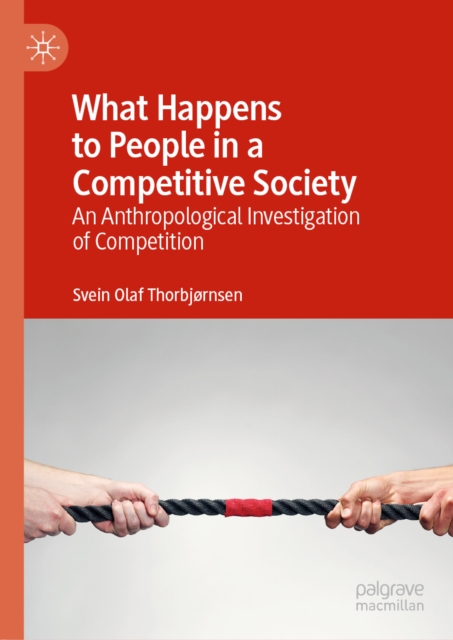
In this book, author Svein Olaf Thorbjornsen probes the question: What is at stake for human beings in a society dominated by competition, particularly economic competition?
This book offers a unique method for teaching ethics and social/political philosophy by combining primary texts and resource material along with three philosophical novels so that students can apply the abstract principles to real-life situations.
This edited collection examines the multi-faceted phenomenon of transparency, especially in its relation to social movements, from a range of multi-disciplinary viewpoints.
Although David Riesman wrote over half a century ago, his concept of autonomy as presented in The Lonely Crowd (1950) speaks directly to the intellectual and emotional disarrangements of the twenty-first century.
This volume introduces a new conception of political education and new roles for headteachers and parents in the creation of a more democratic educational system.
This book is an investigation of the role of creative labor and the five senses in Rainer Maria Rilke's prose works, including his "e;Primal Sound"e; essay, the Stories of God, The Notebooks of Malte Laurids Brigge, and his monograph on Auguste Rodin.
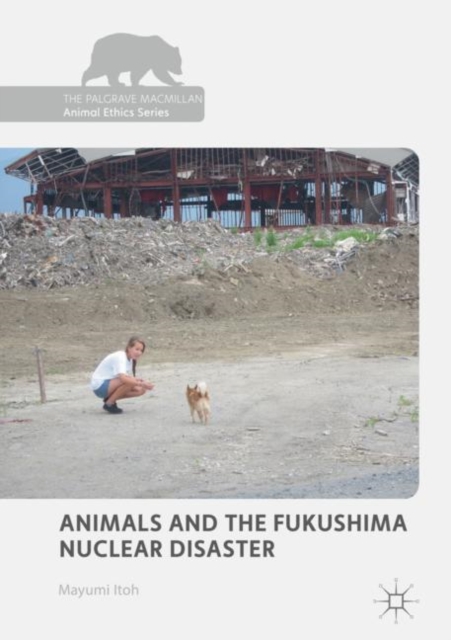
This book is the first comprehensive, in-depth English language study of the animals that were left behind in the exclusion zone in the wake of the nuclear meltdown of three of the four reactors at the Fukushima Daiichi Nuclear Power Station in March 2011, triggered by the Great East Japan Earthquake of magnitude 9.
On Tyranny is Leo Strauss's classic reading of Xenophon's dialogue Hiero, or Tyrannicus, in which the tyrant Hiero and the poet Simonides discuss the advantages and disadvantages of exercising tyranny.
This collection emphasizes a cross-disciplinary approach to the problem of scale, with essays ranging in subject matter from literature to film, architecture, the plastic arts, philosophy, and scientific and political writing.
Critically evaluating and synthesizing all the previous research on the phenomenology of Czech philosopher Jan Patocka, the book brings a new voice into contemporary philosophical discussions.
This book provides a clear and nuanced appraisal of Hegel's treatment of Africa, India, and Islam, and of the implications of this treatment for postcolonial and global studies.
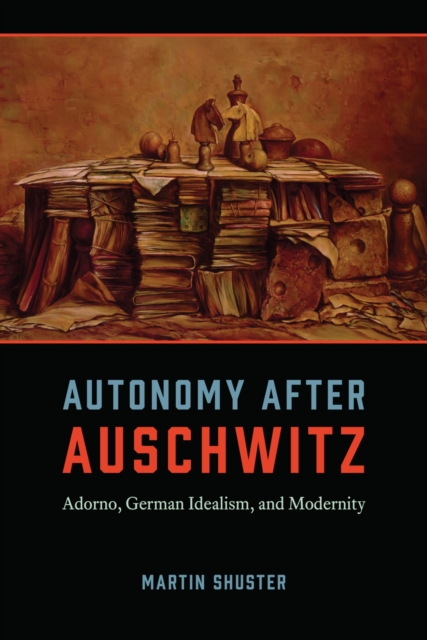
Ever since Kant and Hegel, the notion of autonomy-the idea that we are beholden to no law except one we impose upon ourselves-has been considered the truest philosophical expression of human freedom.
This book argues that Kant develops a theory of perception in the Critique of Judgment from which one can redefine his entire project, viewing and using aesthetics as its backbone, from the transcendental aesthetic of the First Critique to the Critique of Taste in the Third.
The Weimar origins of political theory is a widespread and powerful narrative, but this singular focus leaves out another intellectual history that historian David L.
In this ambitious book, philosopher Otfried Hoffe provides a sophisticated account of the principle of freedom and its role in the project of modernity.
Leo Bersani, known for his provocative interrogations of psychoanalysis, sexuality, and the human body, centers his latest book on a surprisingly simple image: a newborn baby simultaneously crying out and drawing its first breath.
While the deepening structural crisis of capitalism in the 21st century has led to a revival of interest in Marx all over the world, Marx's life-long comrade Frederick Engels has largely remained marginalized.