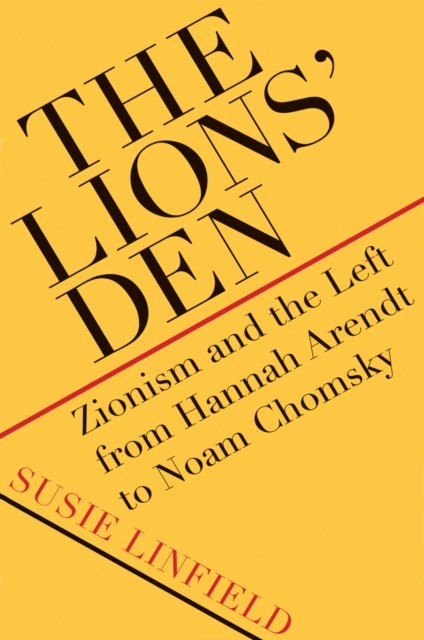
A lively intellectual history that explores how prominent midcentury public intellectuals approached Zionism and then the State of Israel itself and its conflicts with the Arab world In this lively intellectual history of the political Left, cultural critic Susie Linfield investigates how eight prominent twentieth-century intellectuals struggled with the philosophy of Zionism, and then with Israel and its conflicts with the Arab world.
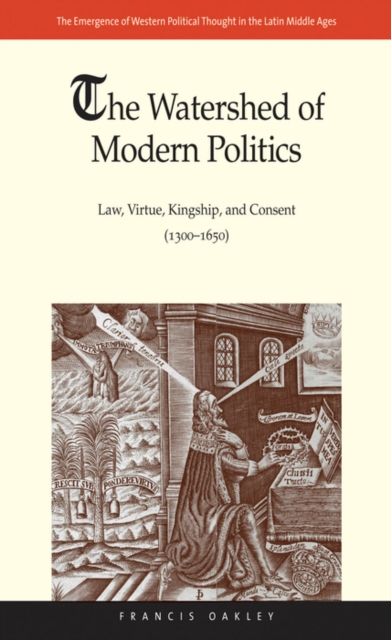
The concluding volume of Francis Oakley's authoritative trilogy moves on to engage the political thinkers of the later Middle Ages, Renaissance, Age of Reformation and religious wars, and the era that produced the Divine Right Theory of Kingship.
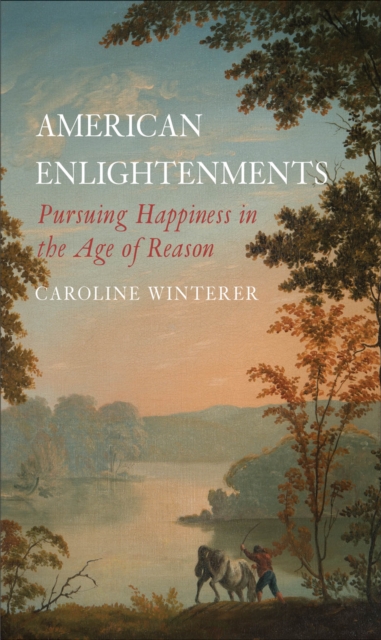
A provocative reassessment of the concept of an American golden age of European-born reason and intellectual curiosity in the years following the Revolutionary War The accepted myth of the “American Enlightenment” suggests that the rejection of monarchy and establishment of a new republic in the United States in the eighteenth century was the realization of utopian philosophies born in the intellectual salons of Europe and radiating outward to the New World.
A fresh and fascinating look at the philosophies, politics, and intellectual legacy of one of the twentieth century’s most influential and controversial minds Occupying a pivotal position in postwar thought, Noam Chomsky is both the founder of modern linguistics and the world’s most prominent political dissident.
The untold story of the crises and compromises that united a continent As financial turmoil in Europe preoccupies political leaders and global markets, it becomes more important than ever to understand the forces that underpin the European Union, hold it together and drive it forward.
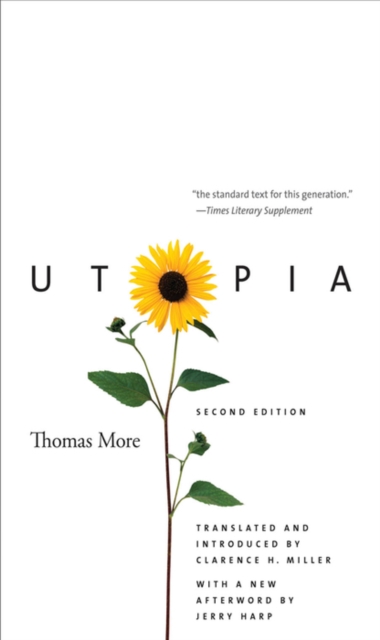
Saint Thomas More’s Utopia is one of the most important works of European humanism and serves as a key text in survey courses on Western intellectual history, the Renaissance, political theory, and many other subjects.
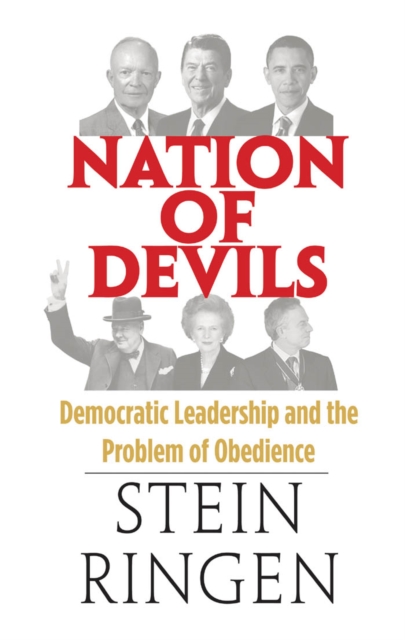
Oxford University political theorist Stein Ringen offers a thought-provoking meditation on the art of democratic rule: how does a government persuade the people to accept its authority?
A compact and accessible edition of Hume’s political and moral writings with essays by a distinguished set of contributors A key figure of the Scottish Enlightenment, David Hume was a major influence on thinkers ranging from Kant and Schopenhauer to Einstein and Popper, and his writings continue to be deeply relevant today.
Arthur Kaledin's groundbreaking book on Alexis de Tocqueville offers an original combination of biography, character study, and wide-ranging analysis of Tocqueville's Democracy in America, bringing new light to that classic work.
A collection of brief, but intimate meditations on life and culture ranging from controversial matters to private moments The internationally acclaimed author Claudio Magris offers a collection of brief “snapshots” reflecting on life and culture from 1999 to 2013 through his very personal lens.
Why we cannot truly implement human rights unless we also recognize human responsibilities When we debate questions in international law, politics, and justice, we often use the language of rights—and far less often the language of responsibilities.
A compelling set of lectures on political obligation that contributes to ongoing debates in political theory and intellectual history This stimulating collection of lectures by the late Judith Shklar on political obligation is paired with a scholarly introduction that offers an overview of her life, illuminates the connections among her teaching, research, and publications, and explains why her lectures still resonate with us and contribute to current debates in political theory and intellectual history.
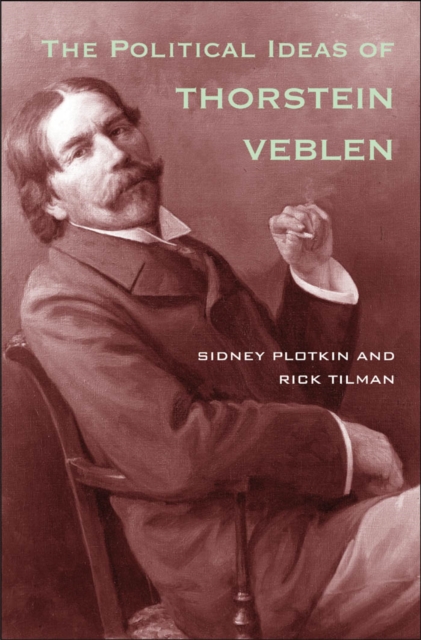
Thorstein Veblen is best known for his authorship of The Theory of the Leisure Class and The Theory of Business Enterprise, which made him a celebrated figure in the fields of economics and sociology at the turn of the twentieth century.
Among the most influential writings in the history of Western political thought, John Locke’s Two Treatises of Government and A Letter Concerning Toleration remain vital to political debates today, more than three centuries after they were written.
In Reforming Liberalism, Robert Devigne challenges prevailing interpretations of the political and moral thought of John Stuart Mill and the theoretical underpinnings of modern liberal philosophy.
A Japanese woman living in California attempts parent-child suicide, an ancient Japanese custom called "e;oyako-shinju,"e; in order to rid herself of shame upon learning that her husband has a mistress.
This book explores food from a philosophical perspective, bringing together sixteen leading philosophers to consider the most basic questions about food: What is it exactly?
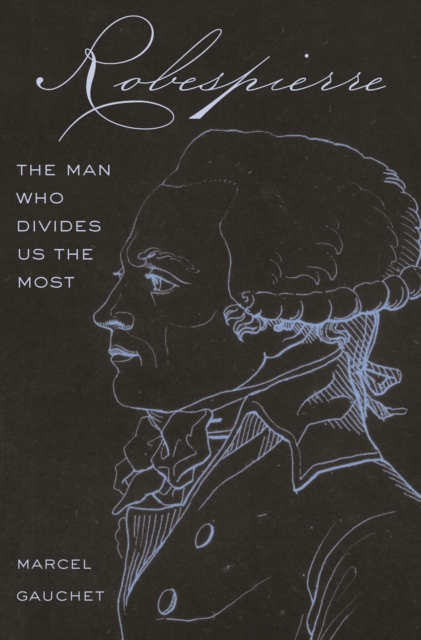
How Robespierre's career and legacy embody the dangerous contradictions of democracyMaximilien Robespierre (1758-1794) is arguably the most controversial and contradictory figure of the French Revolution, inspiring passionate debate like no other protagonist of those dramatic and violent events.
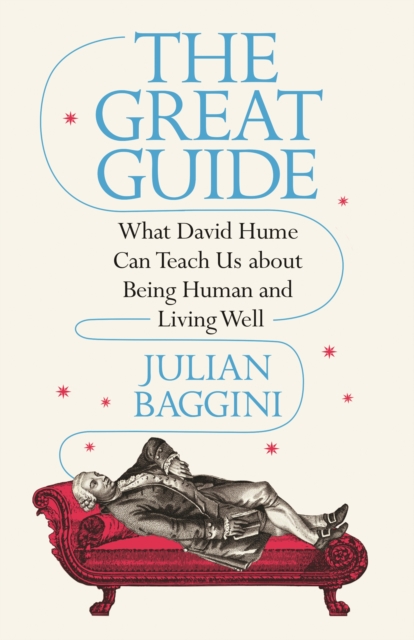
Invaluable wisdom on living a good life from one of the Enlightenment's greatest philosophersDavid Hume (1711-1776) is perhaps best known for his ideas about cause and effect and his criticisms of religion, but he is rarely thought of as a philosopher with practical wisdom to offer.
An original, unified reconstruction of Mill's moral and political philosophy-one that finally reveals its consistency and full powerFew thinkers have been as influential as John Stuart Mill, whose philosophy has arguably defined Utilitarian ethics and modern liberalism.
Including the first English edition of the Treatise of the Three Impostors since 1904, this book examines the treatise in its literary, political, and philosophical context.
This book restores to us an understanding that was once settled in the "e;moral sciences"e;: that there are propositions, in morals and law, which are not only true but which cannot be otherwise.
An entirely new interpretation of one of the most seminal and widely read figures in the history of political thought, The Augustinian Imperative is also "e;an archaeological investigation into the intellectual foundation of liberal societies.
A timely defense of liberalism that draws vital lessons from its greatest midcentury proponentsToday, liberalism faces threats from across the political spectrum.
Prescient essays about the state of our politics from the philosopher who predicted that a populist demagogue would become president of the United StatesRichard Rorty, one of the most influential intellectuals of recent decades, is perhaps best known today as the philosopher who, almost two decades before the 2016 U.
An eminent philosopher explains why we owe it to future generations to take immediate action on global warmingClimate change is the supreme challenge of our time.
In this book, distinguished French philosopher Pierre Manent addresses a wide range of subjects, including the Machiavellian origins of modernity, Tocqueville's analysis of democracy, the political role of Christianity, the nature of totalitarianism, and the future of the nation-state.
This book explores comparative political theory through the study of a range of places and periods with contributions from a diverse group of scholars.