The English philosopher Michael Oakeshott (1901-1990) is known as a conservative who rejected philosophically ambitious rationalism and the grand political ideologies of the twentieth century on the grounds that no human ideas have ultimately reliable foundations.
A powerful new argument for reviving the ideal of racial integrationMore than forty years have passed since Congress, in response to the Civil Rights Movement, enacted sweeping antidiscrimination laws in the Civil Rights Act of 1964, the Voting Rights Act of 1965, and the Fair Housing Act of 1968.
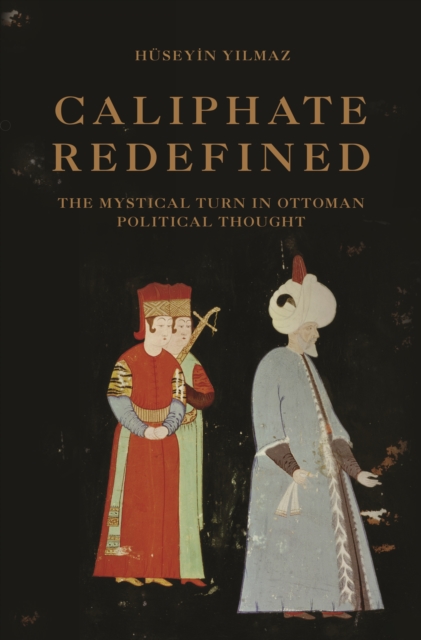
How the Ottomans refashioned and legitimated their rule through mystical imageries of authorityThe medieval theory of the caliphate, epitomized by the Abbasids (750-1258), was the construct of jurists who conceived it as a contractual leadership of the Muslim community in succession to the Prophet Muhammed's political authority.
How happiness became mandatory-and why we should reject the demand to "e;be happy"e;Happiness today is not just a possibility or an option but a requirement and a duty.
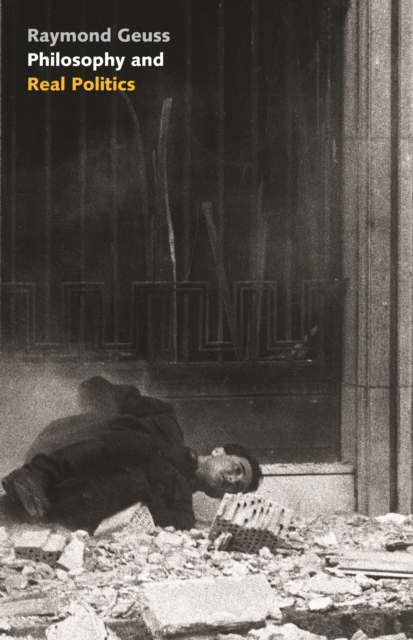
Many contemporary political thinkers are gripped by the belief that their task is to develop an ideal theory of rights or justice for guiding and judging political actions.
The Jewish Social Contract begins by asking how a traditional Jew can participate politically and socially and in good faith in a modern democratic society, and ends by proposing a broad, inclusive notion of secularity.
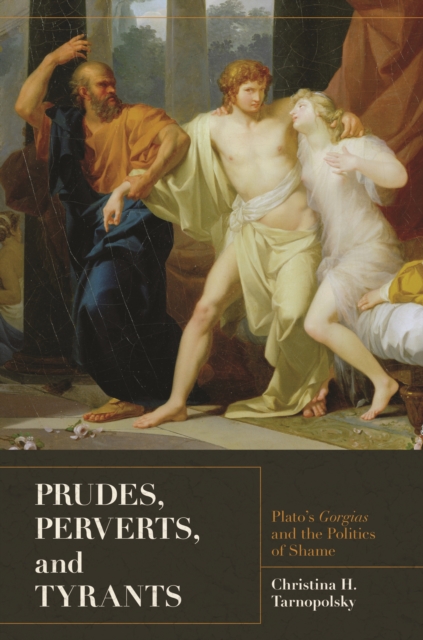
In recent years, most political theorists have agreed that shame shouldn't play any role in democratic politics because it threatens the mutual respect necessary for participation and deliberation.
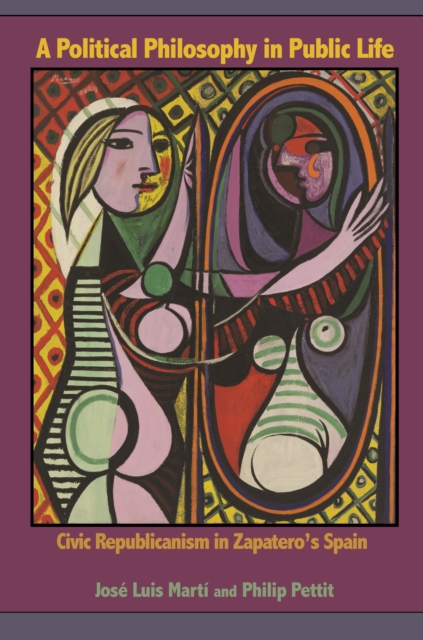
The story of a Princeton professor's role as the unofficial philosophical adviser to the Spanish governmentThis book examines an unlikely development in modern political philosophy: the adoption by a major national government of the ideas of a living political theorist.
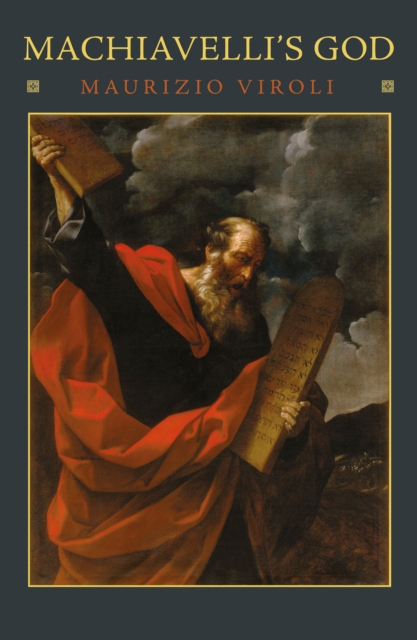
How Machiavelli's Christianity shaped his political thoughtTo many readers of The Prince, Machiavelli appears to be deeply un-Christian or even anti-Christian, a cynic who thinks rulers should use religion only to keep their subjects in check.
Civil Society and Government brings together an unprecedented array of political, ethical, and religious perspectives to shed light on the complex and much-debated relationship between civil society and the state.
From sex and music to religion and politics, a history of irrationality and the ways in which it has always been with us-and always will beIn this sweeping account of irrationality from antiquity to the rise of Twitter mobs and the election of Donald Trump, Justin Smith argues that irrationality makes up the greater part of human life and history.
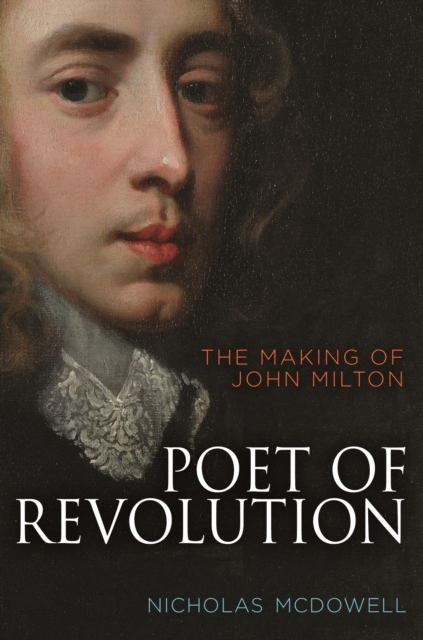
A groundbreaking biography of Milton's formative years that provides a new account of the poet's political radicalizationJohn Milton (1608-1674) has a unique claim on literary and intellectual history as the author of both Paradise Lost, the greatest narrative poem in English, and prose defences of the execution of Charles I that influenced the French and American revolutions.
A bold new approach to combatting the inherent corruption of representative democracyThis provocative book reveals how the majority of modern liberal democracies have become increasingly oligarchic, suffering from a form of structural political decay first conceptualized by ancient philosophers.
How transatlantic thinkers in the late nineteenth and early twentieth centuries promoted the unification of Britain and the United StatesBetween the late nineteenth century and the First World War an ocean-spanning network of prominent individuals advocated the unification of Britain and the United States.
A landmark work from one of our leading political theoristsA sympathetic critique that attempts to free Left politics from its own snares, States of Injury explores how woundedness became a basis for contemporary political identity.
A moral philosopher's meditations on some of life's most important questionsWe've all had to puzzle over such profound matters as birth, death, regret, free will, agency, and love.
A masterful new account of old regime France by one of the world's most prominent political philosophersFrance before 1789 traces the historical origins of France's National Constituent Assembly of 1789, providing a vivid portrait of the ancien regime and its complex social system in the decades before the French Revolution.
A political philosophy classic from one of the foremost political thinkers of the twentieth centuryAfter Utopia was Judith Shklar's first book, a harbinger of her renowned career in political philosophy.
An expanded and updated edition of a classic work on human rights and global justiceSince its original publication, Basic Rights has proven increasingly influential to those working in political philosophy, human rights, global justice, and the ethics of international relations and foreign policy, particularly in debates regarding foreign policy's role in alleviating global poverty.
Timeless advice on how to be a successful leader in any fieldThe ancient biographer and essayist Plutarch thought deeply about the leadership qualities of the eminent Greeks and Romans he profiled in his famous-and massive-Lives, including politicians and generals such as Pericles, Alexander the Great, Julius Caesar, and Mark Antony.
A leading political theorist's groundbreaking defense of ideal conceptions of justice in political philosophyThroughout the history of political philosophy and politics, there has been continual debate about the roles of idealism versus realism.
How central banks and independent regulators can support rather than challenge constitutional democracyUnelected Power lays out the principles needed to ensure that central bankers and other independent regulators act as stewards of the common good.
Ever since the shocking revelations of the fascist ties of Martin Heidegger and Paul de Man, postmodernism has been haunted by the specter of a compromised past.
From New York Times bestselling author Cass Sunstein, a brisk, provocative book that shows what freedom really means-and requires-todayIn this pathbreaking book, New York Times bestselling author Cass Sunstein asks us to rethink freedom.
Der Sozialismus wird oftmals als eine kollektivistische Weltanschauung beschrieben, während der Liberalismus als dessen Gegensatz dargestellt wird, da dieser das Gedeihen des Individuums in den Vordergrund rückt.
We hold these Truths to be self-evident, that all men are created equal, that they are endowed by their Creator with certain unalienable Rights, that among these are Life, Liberty and the pursuit of Happiness.