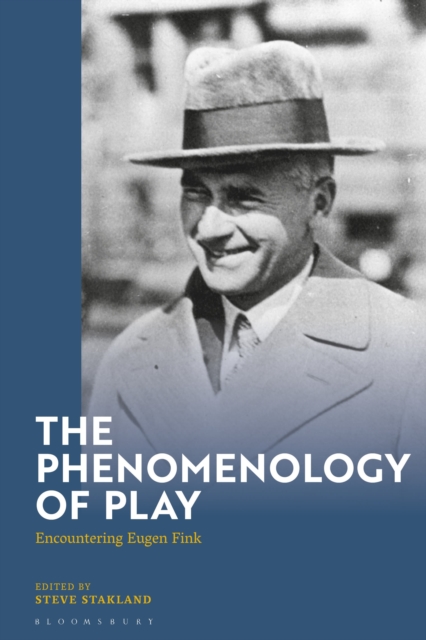
Eugen Fink's deep engagement with the phenomenon of play saw him transcend his two towering mentors, Edmund Husserl and Martin Heidegger, to become a crucial figure in early 20th-century phenomenology.
Pensar una política de la vida, i fer-ho desactivant la lògica del poder, el control i la producció d'una subjectivitat marcada per obligacions i imperatius.
"Un extranjero en la polis ateniense, habiendo sido el tutor de Alejandro Magno, el filósofo Aristóteles se erigió en un testigo privilegiado de su tumultuosa época histórica.
"Vocablo infaltable en todas las corrientes políticas occidentales, el republicanismo ha tendido a convertirse, en los últimos tiempos, es una suerte de significante vacío al que se apela sin más como sinónimo de justicia, de balance de poderes o de plena institucionalidad.
El lector está ante una veintena de intentos breves —y sonrientes, a veces— de comprender la vida y el mundo a partir de asuntos ordinarios y comunes: La casa, La playa, La intimidad, La piel, Lo nuevo y lo viejo, La vocación… son algunos de los capítulos y asuntos sobre los que indaga y reflexiona el autor en estas páginas.
Este libro es como el cuaderno de bitácora de un filósofo enfrentado a lo que sucede con la aspiración de comprenderlo y de dar razón del asunto en público.
En las últimas décadas se han producido cambios sustanciales en América Latina, cambios que afectan a las relaciones continentales y, a su vez, han llevado a una nueva reformulación de la gobernanza interna de las naciones.
"Algunos impenitentes agradecemos a Nuccio Ordine su manifiesto La utilidad de lo inútil, en el que repasa las opiniones de filósofos y escritores sobre la importancia de seguir tutelando en escuelas y universidades ese afán de saber y de indagar sin objetivo inmediato práctico en el que tradicionalmente se ha basado la dignitas hominis".
Marilena Chauí, una de las filósofas e intelectuales más importantes del Brasil, realiza en este libro una contribución de primer nivel a la comprensión de los procesos de privatización educativa que están teniendo lugar en todo el mundo.
This title was first published in 2001: Against Autonomy reassesses Jean-Francois Lyotard's contribution to philosophy and theory, and explores how his work challenges the privileged position of the principle of autonomy in contemporary liberal democratic thinking, as seen in such diverse thinkers as Rawls, Rorty and Fukuyama.
En los últimos veinte años del siglo XX, una revisión radical y desestabilizadora convulsionó los presupuestos etnocéntricos del pensamiento antropológico, filosófico y político de Occidente.
El problema de la sociología para definir los límites de su objeto, la sociedad, nunca fue una falta ni un lastre cuya superación al fin la certificaría como ciencia.
PresentaciónFélix Guattari fue uno de los grandes pensadores contemporáneos, que influenció no sólo muchos de los desarrollos teóricos y prácticos del siglo XX sino también los de buena parte de éste.
Repeating Revolutions examines how activists, intellectuals, social scientists, and historians looked to Frances Revolutionary past to negotiate Algerias struggle for decolonization from the 1930s to the 1960s.
Esta obra está compuesta por once trabajos escritos por filósofos y juristas-filósofos de diversas universidades y países, cada uno de ellos dedicado a una rama de la filosofía o a un aspecto de la relación entre la filosofía y el Derecho.
Este libro ofrece una lectura de la relacion entre violencia y mesianismo, en un recorrido que pasa por la lectura atenta y traduccion de diversos textos de Hegel, Rosenzweig, Levinas, o Walter Benjamin.
Este libro recoge el ensayo «El futuro del pasado religioso» junto con otros trabajos en los que Charles Taylor profundiza en las tesis más relevantes de su obra «La era secular», lo que permite una aproximación directa y sistemática a su filosofía de la religión.
"Un libro brillante" (Jürgen Habermas)Este libro articula una concepción participativa de la democracia deliberativa que aspira a mejorar el control democrático de la ciudadanía y defiende la importancia de la participación ciudadana frente a concepciones que menosprecian su valor.
Impolítica e irrepresentable: así define este ensayo la sociedad del presente con la vista puesta en varios procesos complementarios que han discurrido durante las últimas décadas.
Un enfoque integral de la obra de un autor controvertido y original se beneficia enormemente de la comprensión de los contextos teóricos y sociales donde surgió.
El nombre de Reinhart Koselleck ha pasado a la posteridad por ser, junto a Werner Conze y Otto Brunner, el editor del portentoso diccionario "Conceptos históricos fundamentales.
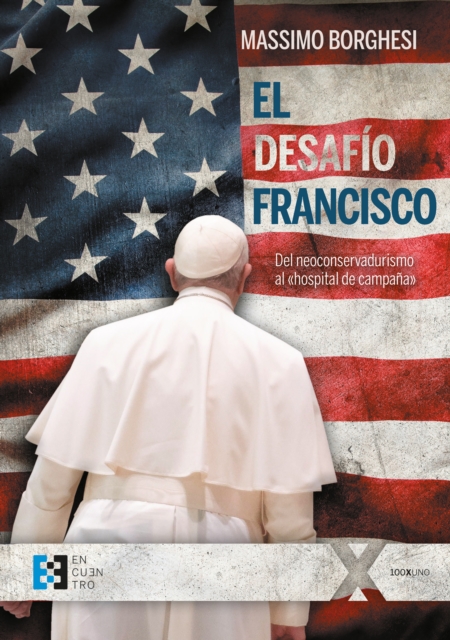
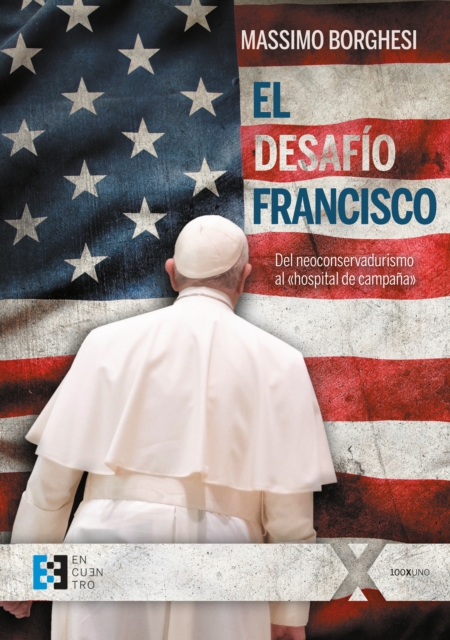
Cuando Jorge Mario Bergoglio se convierte en el papa Francisco en 2013, el legado eclesial al que se enfrenta no es solo el de los escándalos del clero y la corrupción de la moral.
En este nuevo libro, el filósofo francés Rémi Brague señala cuál es el problema fundamental de la modernidad: ha dejado de considerar el mundo creado y la humanidad como intrínsecamente valiosos.
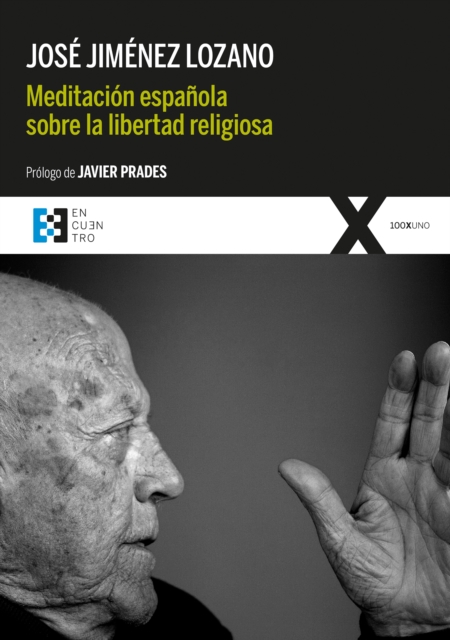
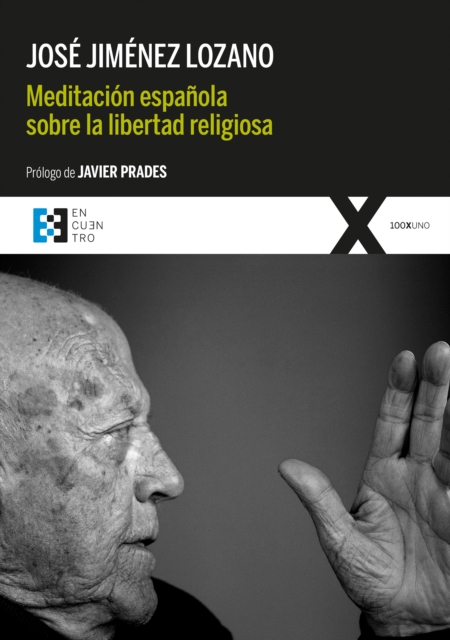
En 1964 y 1965, José Jiménez Lozano ejerció de corresponsal en Roma del periódico El Norte de Castilla y del semanario Destino para cubrir el Concilio Vaticano II.
Cuando Jorge Mario Bergoglio se convierte en el papa Francisco en 2013, el legado eclesial al que se enfrenta no es solo el de los escándalos del clero y la corrupción de la moral.
En este nuevo libro, el filósofo francés Rémi Brague señala cuál es el problema fundamental de la modernidad: ha dejado de considerar el mundo creado y la humanidad como intrínsecamente valiosos.
En 1964 y 1965, José Jiménez Lozano ejerció de corresponsal en Roma del periódico El Norte de Castilla y del semanario Destino para cubrir el Concilio Vaticano II.
Carlos Skliar aboga por hacer un parón, salir de la inercia y la falsa noción de éxito que la sociedad impone, exaltando los valores de la buena pereza.
In this provocative and timely book, David Kennedy explores what can go awry when we put our humanitarian yearnings into action on a global scale--and what we can do in response.
Cuando el ser humano afronta el miedo, o simplemente vive la incertidumbre, se activan mecanismos de defensa que con frecuencia ni controla porque siquiera se da cuenta de ellos, alcanzando incluso afectaciones radicales de la percepcion de la realidad, o de otros aspectos fundamentales de la memoria.
Through an extensive body of political and philosophical ideas he called social ecology, Murray Bookchin (1921-2006) elucidated one of the first intellectual responses to the ecological crisis.
This volume brings together important and original perspectives from South Asia on the relationship between violence---an increasingly important issue in multicultural societies---and the process of othering.