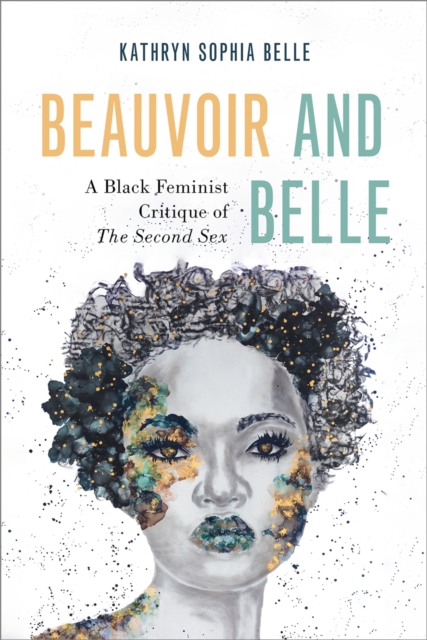
Kathryn Sophia Belle centers feminist frameworks, discourses, and vocabularies of Black women and other Women of Color that existed prior to and have continued to exist after The Second Sex.
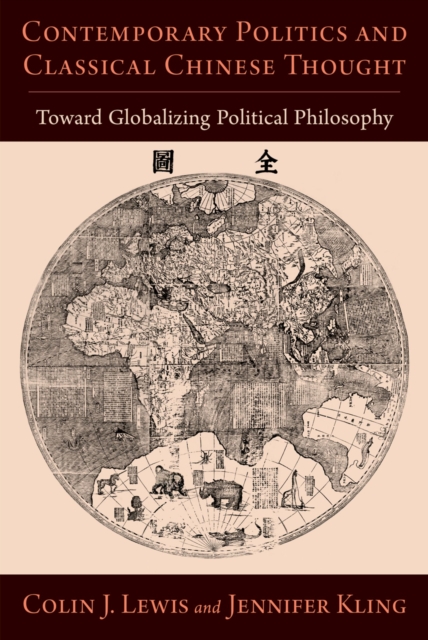
Current approaches to contemporary political philosophy are disproportionately western, and the need for more diverse and global perspectives is urgent.
The Oxford Handbook of Contemporary Philosophy of Language introduces readers to the main issues and theories in the philosophy of language as currently practised.
The urgency and complexity of contemporary social justice issues facing the world today mean that activists, scholars, and storytellers need a readily available compendium of cutting-edge scholarship on media and social justice.
Current approaches to contemporary political philosophy are disproportionately western, and the need for more diverse and global perspectives is urgent.
Kathryn Sophia Belle centers feminist frameworks, discourses, and vocabularies of Black women and other Women of Color that existed prior to and have continued to exist after The Second Sex.
The Oxford Handbook of Contemporary Philosophy of Language introduces readers to the main issues and theories in the philosophy of language as currently practised.
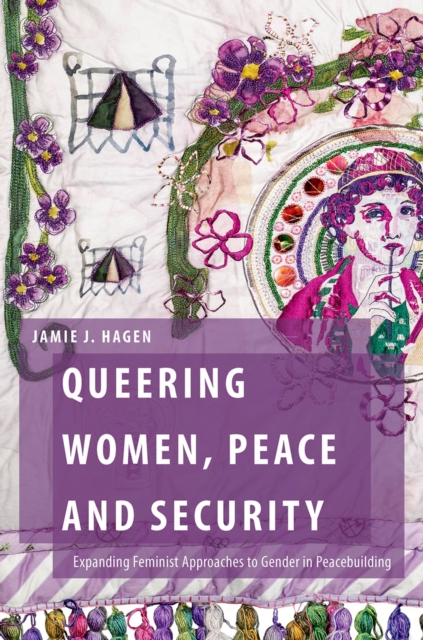
In 2000, the United Nations Security Council passed resolution 1325, which addressed, for the first time, the experience of women and girls during conflict and the need to consider gender in peacebuilding.
In Locating Racism in the World, Ainsley LeSure develops a worldly theory of antiblack racism rooted in the analytic promise of phenomenology, a philosophical examination of lived experience, to help explain why and how American democracy is confronting its greatest existential threat since the Civil War on the eve of its 250th anniversary.
In the face of planetary crises -- from biodiversity loss to climate change to food security -- transdisciplinary methods promise effective and just responses through equal collaborations.
This volume of The Cairo School of an Islamic Civilizational Paradigm in International Relations advances the paradigm from intellectual formation to methodological application.
In an age of relentless competition, self-branding, and growing social isolation, we face a pressing question: how can we stop seeing only ourselves and start seeing others?
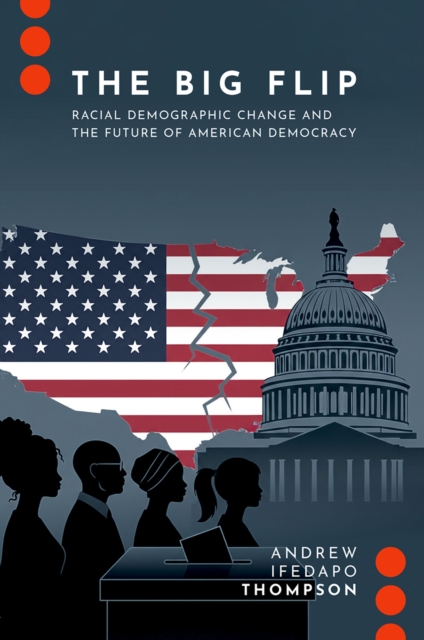
As the United States approaches a transformative demographic milestone--when Americans of color will become the majority and white Americans a minority--US democracy faces a test of unprecedented magnitude.
This book examines the often-overlooked dynamics of how political actors from peripheral regions engage with central authorities to shape national policymaking.
In Locating Racism in the World, Ainsley LeSure develops a worldly theory of antiblack racism rooted in the analytic promise of phenomenology, a philosophical examination of lived experience, to help explain why and how American democracy is confronting its greatest existential threat since the Civil War on the eve of its 250th anniversary.
This new volume edited by two significant scholars of Italian history and politics offers students and scholars a sweeping overview of the modern history of a country that has played a crucial role in the history of Europe over the past two centuries.
The Political Economy of Youth and Migration examines lived experiences to critique how the youth-NGO sector (youth complex) manages the fault lines of global capitalism and limits young peoples' activities.
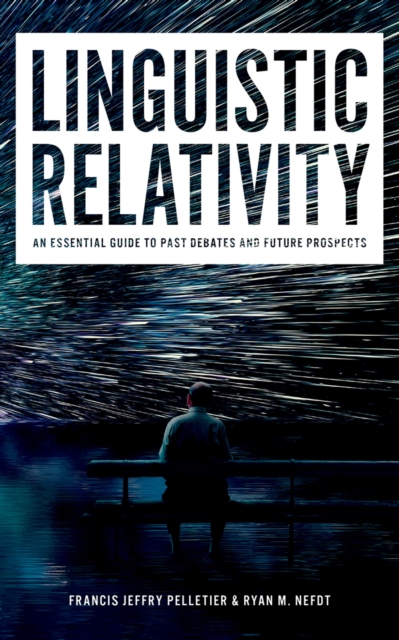
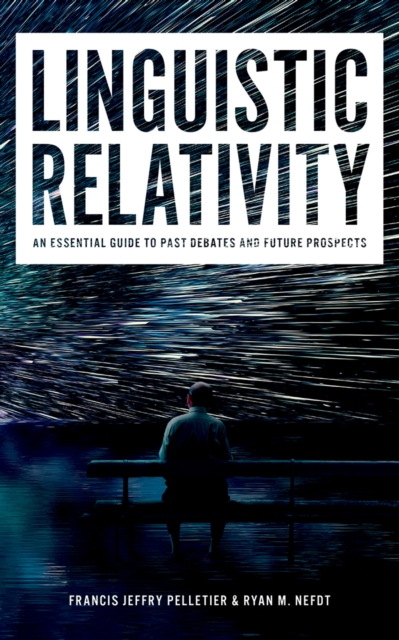
The concept of linguistic relativity (or Whorfianism) has its roots in the linguistic anthropology of Edward Sapir and his student Benjamin Whorf in the early twentieth century.
The concept of linguistic relativity (or Whorfianism) has its roots in the linguistic anthropology of Edward Sapir and his student Benjamin Whorf in the early twentieth century.
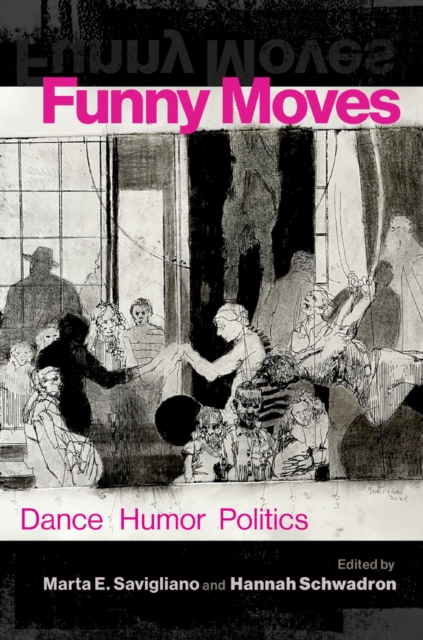
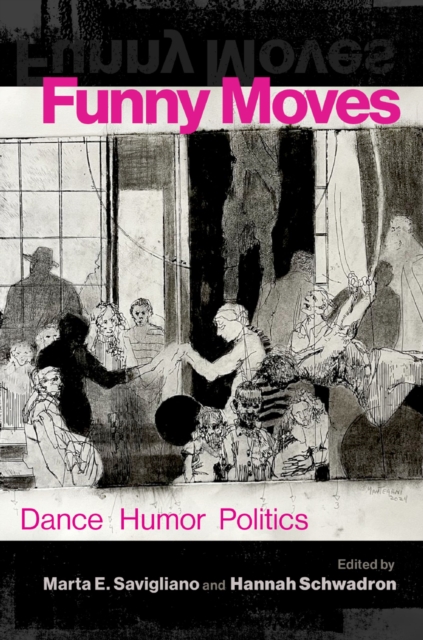
Funny Moves: Dance Humor Politics explores the intersection of dance and humor and the political stakes that bodies incur when they dare to be both aestheticized and funny.
The Oxford Handbook of Philosophy of Medicine is a guide to areas of current activity and change, not only in philosophy of medicine, but also in medical science and practice.
Funny Moves: Dance Humor Politics explores the intersection of dance and humor and the political stakes that bodies incur when they dare to be both aestheticized and funny.
Wokeism and, before it, Political Correctness are attempts to replace traditional privilege with a new privileged class of special interest groups that have supposedly been discriminated against.
Classical and contemporary republicans offer a compelling political vision built on a commitment to promoting freedom from domination, establishing popular control over public officials, and securing the empire of law.