While technological advancements dominate much of the conversation on virtual platforms and the political power that ensues, there remains a crucial gap in knowledge when addressing fundamental questions about the distribution of power, the formation of political communities and the application of ethical principles in these digital contexts.
Combining structural analysis, historical enquiry, and intertextual reading, this book offers a fresh interpretation of one of antiquity's most enduring myths, autochthony, and provides a model for studying myths as living processes of cultural imagination.
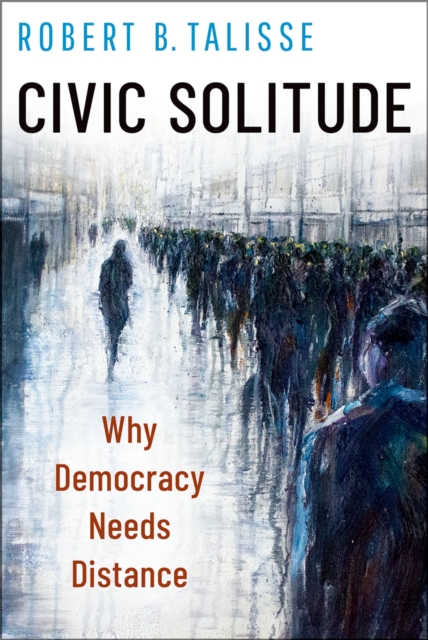
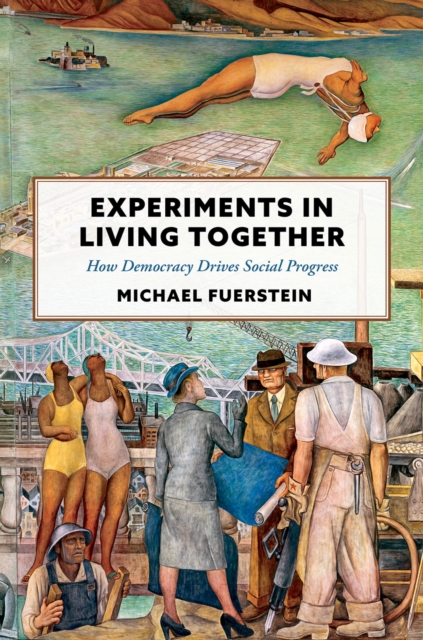
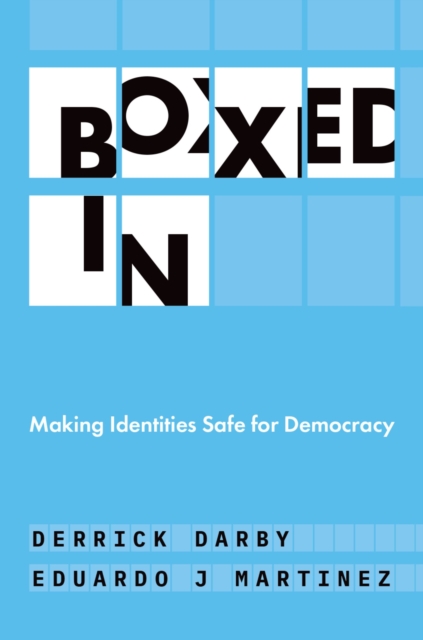
An internet search of the phrase "e;this is what democracy looks like"e; returns thousands of images of people assembled in public for the purpose of collective action.
An internet search of the phrase "e;this is what democracy looks like"e; returns thousands of images of people assembled in public for the purpose of collective action.
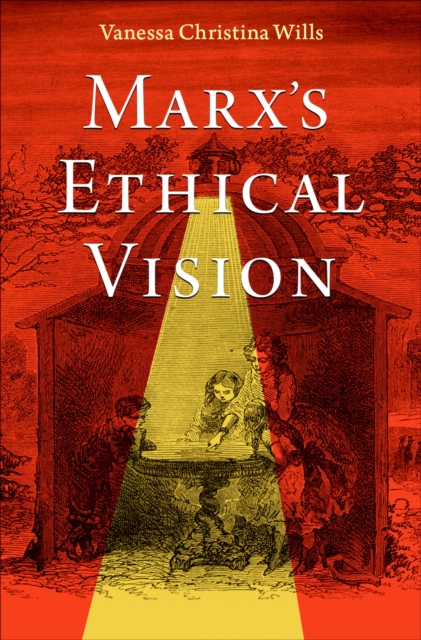
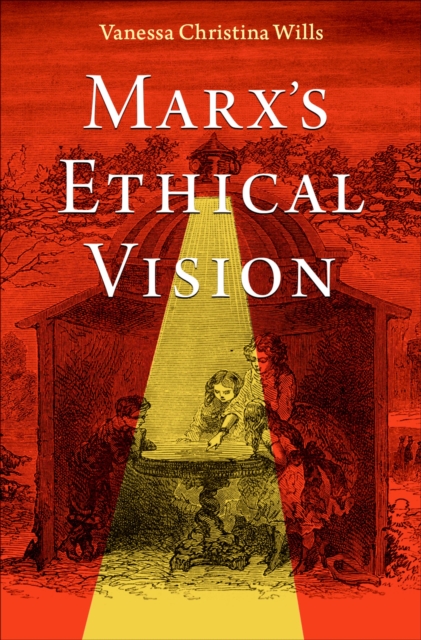
"e;The communists do not preach morality at all"e;; this line from The Communist Manifesto might seem to settle the question of whether Marxism has anything to offer moral philosophy.
"e;The communists do not preach morality at all"e;; this line from The Communist Manifesto might seem to settle the question of whether Marxism has anything to offer moral philosophy.
What does a sanctuary for Hawaiian crows have in common with a troop of robots programmed to perform the Maori haka, or recreations of World Heritage Sites built in Minecraft?
Feminizing Political Institutions considers representation from a new perspective by looking at how changes within the demographic composition of a political institution can change the way citizens think about and engage with politics.
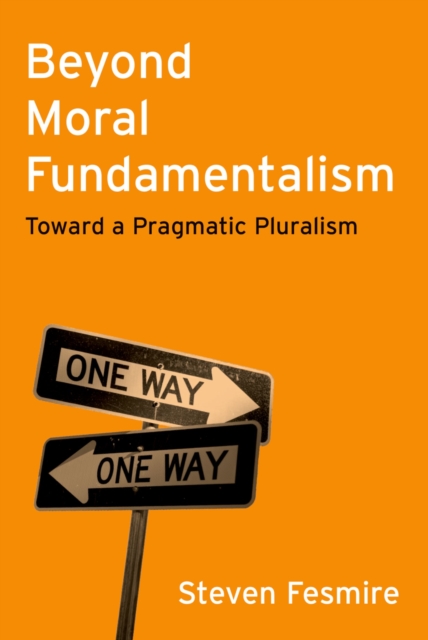
While complex global problems cry out for solutions devised with moral sensitivity and responsibility, a more common mentality tends to prevail, one that assumes those going the right way ("e;us"e;) are endangered by others ("e;them"e;) going the wrong way.
Pinpoints how "e;dogwhistles"e; and "e;figleaves,"e; two kinds of linguistic trick, distort political discourse and normalize racismIt is widely accepted that political discourse in recent years has become more openly racist and more accepting of wildly implausible conspiracy theories.
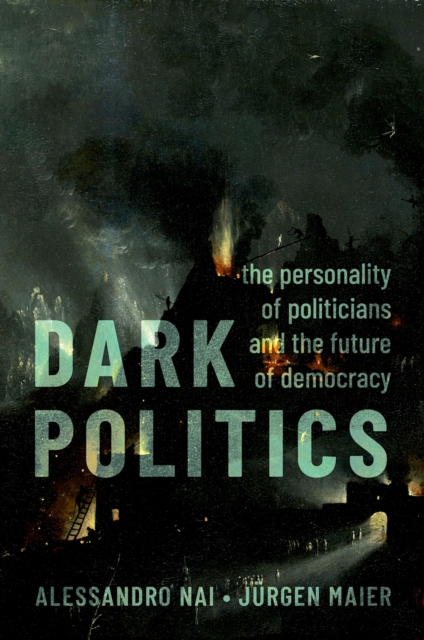
Recent years have seen the rise of political figures with particularly abrasive, controversial, and aggressive personalities, who seem to take pleasure in introducing an uncivil tone into the political debate.
While complex global problems cry out for solutions devised with moral sensitivity and responsibility, a more common mentality tends to prevail, one that assumes those going the right way ("e;us"e;) are endangered by others ("e;them"e;) going the wrong way.
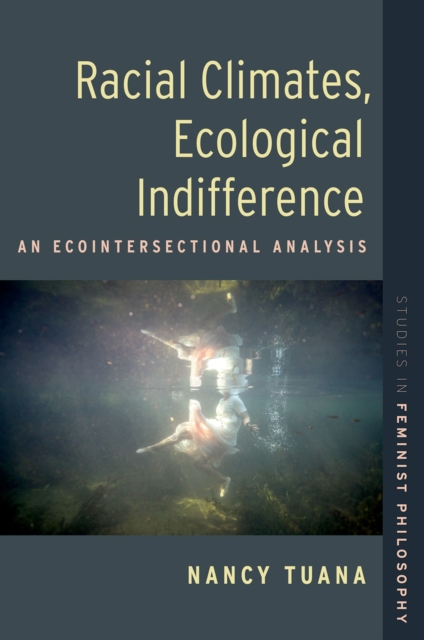
While the heavy social impacts of raging wildfires, punishing storms, and climbing temperatures worldwide have made many increasingly aware of the need for climate justice, the intersection of race and climate change has too often been neglected in the literature and in practice.
While the heavy social impacts of raging wildfires, punishing storms, and climbing temperatures worldwide have made many increasingly aware of the need for climate justice, the intersection of race and climate change has too often been neglected in the literature and in practice.
Presuming that the problem of political equality, as it bears on both persons and assemblages, is about being accorded access to the material and symbolic resources needed to manage an effective civic presence, Michael J.