This book theorises how social work, as a theoretical and practical discipline, could be brought into a critical dialogue with the concept of democracy.
This book theorises how social work, as a theoretical and practical discipline, could be brought into a critical dialogue with the concept of democracy.
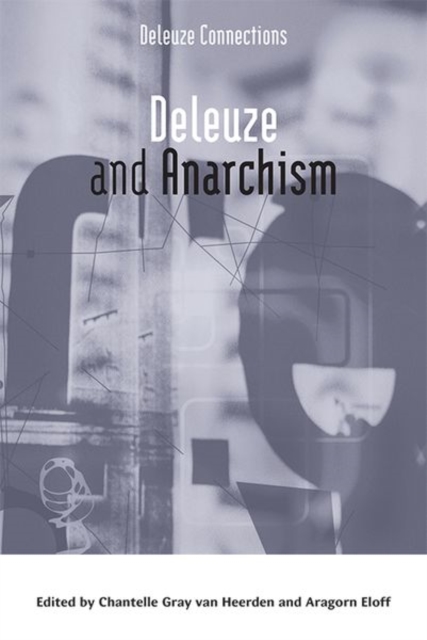
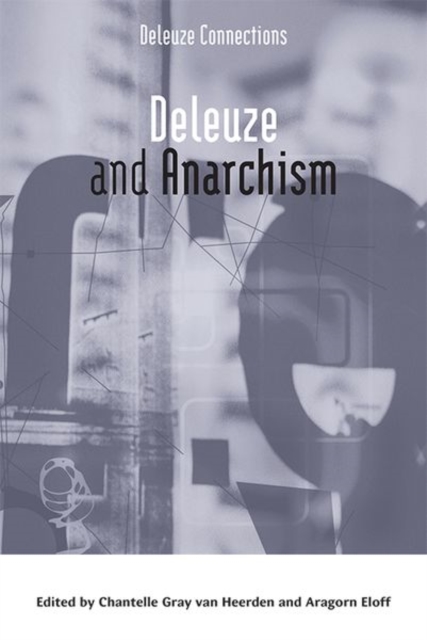
This collection of 13 essays addresses and explores Deleuze and Guattari's relationship to the notion of anarchism: in the diverse ways that they conceived of and referred to it throughout their work, and also more broadly in terms of the spirit of their philosophy and in their critique of capitalism and the State.
This collection of 13 essays addresses and explores Deleuze and Guattari's relationship to the notion of anarchism: in the diverse ways that they conceived of and referred to it throughout their work, and also more broadly in terms of the spirit of their philosophy and in their critique of capitalism and the State.
My Teaching, My Philosophy brings together twenty of the most prominent thinkers on education, philosophy, art, and literature to converse with Kenneth Wain and the many facets of his work.
This book introduces the empirical tradition in American liberal religious thought, from 1860 to 1960, by exploring the thought of significant individual contributors.
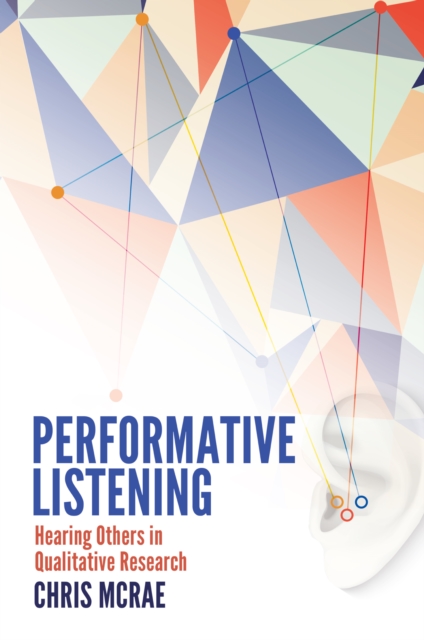
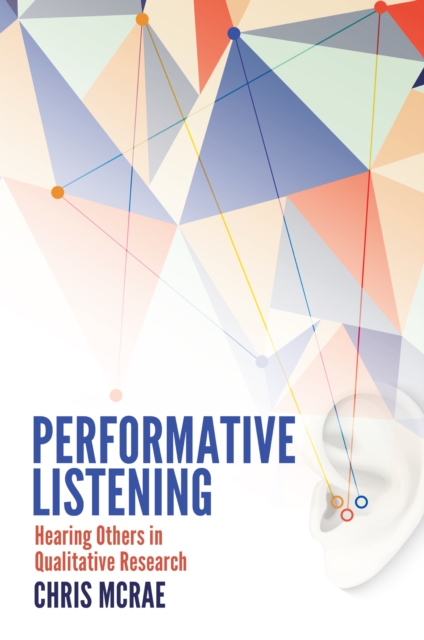
Performative Listening: Hearing Others in Qualitative Research offers an alternative theory of listening - as a performative act, or as a relational stance and performance in which listeners ethically engage in an act of learning from others across difference.
Performative Listening: Hearing Others in Qualitative Research offers an alternative theory of listening - as a performative act, or as a relational stance and performance in which listeners ethically engage in an act of learning from others across difference.
My Teaching, My Philosophy brings together twenty of the most prominent thinkers on education, philosophy, art, and literature to converse with Kenneth Wain and the many facets of his work.
Designed for courses in the history of philosophy, social and political theory, government, and Plato specifically, Plato's Republic: Critical Essays will enrich students' understanding of this profoundly influential work.
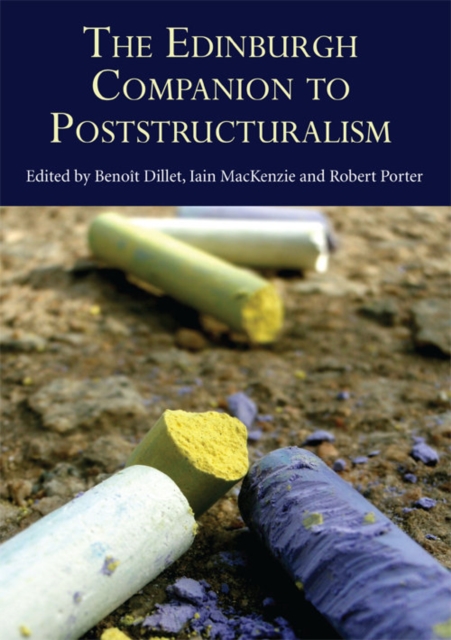
Written by experts in their field, this Companion surveys the challenges and provocations raised by the major voices of poststructuralism: Foucault, Deleuze, Derrida, Cixous, Lyotard, Guattari, Kristeva, Irigaray, Barthes and Baudrillard.
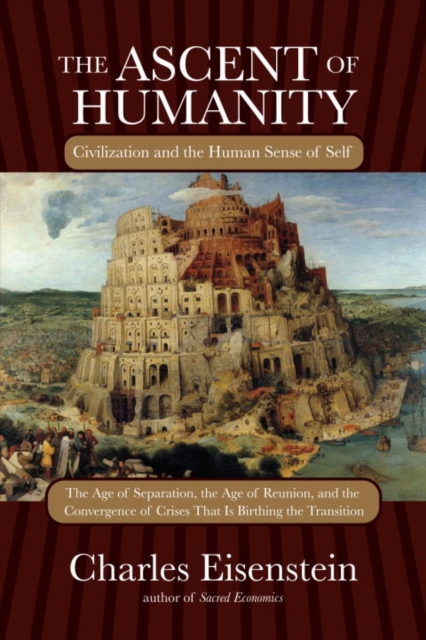
Charles Eisenstein explores the history and potential future of civilization, tracing the converging crises of our age to the illusion of the separate self.
Designed for courses in the history of philosophy, social and political theory, government, and Plato specifically, Plato's Republic: Critical Essays will enrich students' understanding of this profoundly influential work.
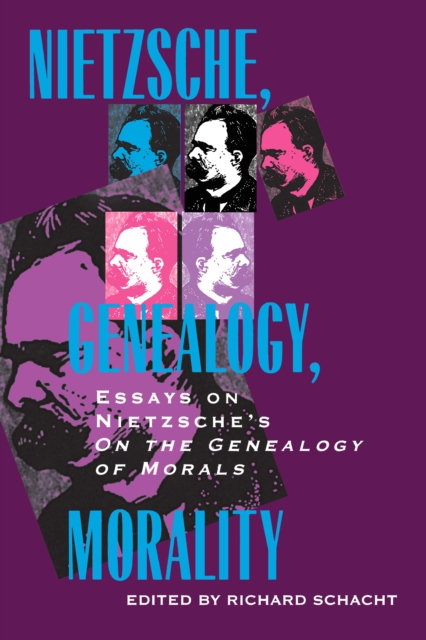
Written at the height of the philosopher's intellectual powers, Friedrich Nietzsche's On the Genealogy of Morals has become one of the key texts of recent Western philosophy.
Written at the height of the philosopher's intellectual powers, Friedrich Nietzsche's On the Genealogy of Morals has become one of the key texts of recent Western philosophy.
Hamed Movahedi reconstructs a Deleuzian concept of continuity and event through comparative readings of The Fold, Difference and Repetition and Logic of Sense.
Hamed Movahedi reconstructs a Deleuzian concept of continuity and event through comparative readings of The Fold, Difference and Repetition and Logic of Sense.
"e;Asi como hay un oficio divino que con rezos, salmos y cantos marca las horas canonicas, hay tambien un oficio mexicano que acota el tiempo nacional de acuerdo con los canones oficiales establecidos.
A traveler returns from a distant island with an account of a society without private property, without poverty, and - most provocatively - without the corruptions of 16th-century Europe.
Ludwig Giesz (1916–1985) verbindet einen ausgeprägten philosophischen Spürsinn für das Hinter- und Abgründige der menschlichen Existenz mit einer selten gewordenen stilistischen Brillanz.
Ludwig Giesz (1916–1985) verbindet einen ausgeprägten philosophischen Spürsinn für das Hinter- und Abgründige der menschlichen Existenz mit einer selten gewordenen stilistischen Brillanz.
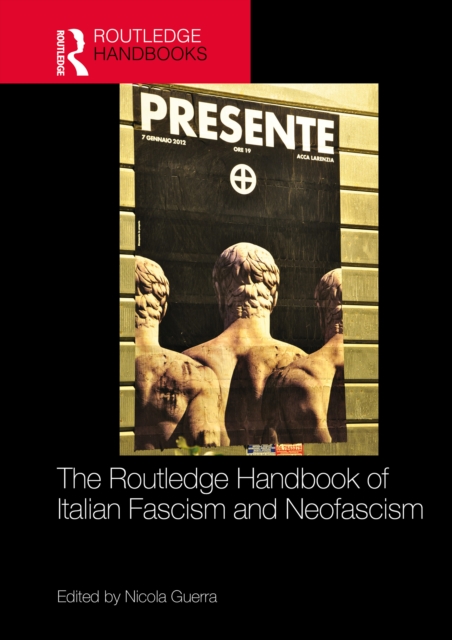
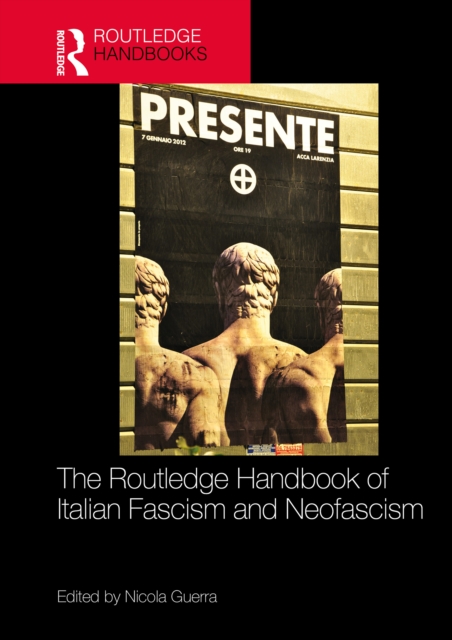
This important new reference work reassesses Fascism in the Italian context and its postwar manifestations by analysing its influence across three historical phases, analysing the tensions shaping both the Mussolini regime and the post-fascist far right.
This important new reference work reassesses Fascism in the Italian context and its postwar manifestations by analysing its influence across three historical phases, analysing the tensions shaping both the Mussolini regime and the post-fascist far right.
One of the most influential political texts in modern history, Manifesto of the Communist Party examines the forces shaping society, economics, and political change.
Im Zentrum des Buches stehen der Begriff der Autonomie und seine Bedeutung (Veränderung und/oder Verlust an Bedeutung) innerhalb der gegenwärtigen Bildungslandschaft.
Im Zentrum des Buches stehen der Begriff der Autonomie und seine Bedeutung (Veränderung und/oder Verlust an Bedeutung) innerhalb der gegenwärtigen Bildungslandschaft.