This book's overarching premise is that discussion and critique in the discourses of architecture and urbanism have their primary focus on engagements with form, particularly in the sense of the question as to what planning and architecture signify with respect to the forms they take, and how their meanings or content (what is "e;contained"e;) is considered in relation to form-as-container.
This book provides a rigorous and insightful exploration of political fanaticism, guided by a nuanced interpretation of the works of Max Stirner, a philosopher often overlooked in contemporary discourse.
This book uncovers the roots of authentic leadership through a detailed analysis of how philosophy and psychology are relevant for understanding leadership.
This book is a socio-philosophical journey across several aspects of our society's focus on individual freedom, taking cues from some of the most prominent thinkers of our time.
This book brings the tools and ideas of Anglo-American analytic philosophy to bear on how we think about issues of contemporary significance, in a way that is accessible to a broad audience.
Originalism Is Not Enough In this profoundly important reassessment of constitutional interpretation, the eminent legal philosopher Hadley Arkes argues that ';originalism' alone is an inadequate answer to judicial activism.
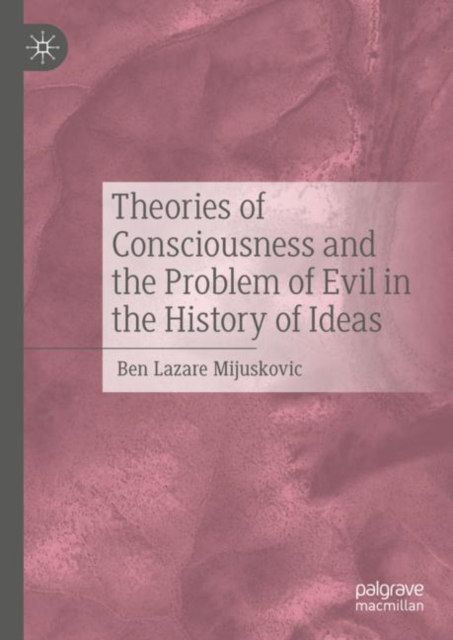
In this book, Ben Lazare Mijuskovic uses both an interdisciplinary and History of Ideas approach to discuss four forms of intertwined theories of human consciousness and reflexive self-consciousness (Plato, Augustine, Descartes, Leibniz, Kant, and Hegel; Schopenhauer's subconscious irrational Will; Brentano and Husserl's transcendent intentionality; and Freud's dynamic ego).
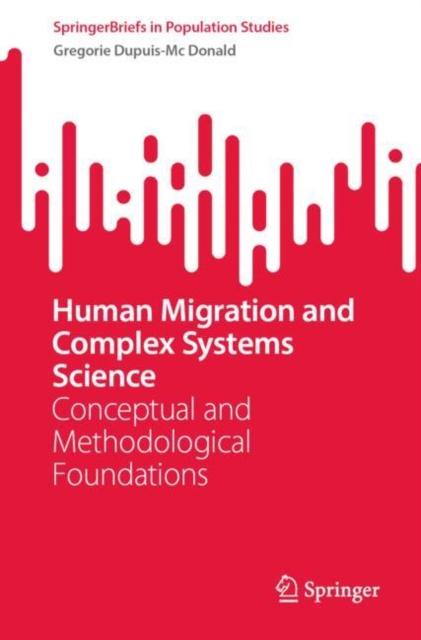
This book provides a novel perspective on human migration dynamics by examining it through the lenses of complex systems science and philosophy of science.
This book brings the tools and ideas of Anglo-American analytic philosophy to bear on how we think about issues of contemporary significance, in a way that is accessible to a broad audience.
This book uncovers the roots of authentic leadership through a detailed analysis of how philosophy and psychology are relevant for understanding leadership.
In this book, Ben Lazare Mijuskovic uses both an interdisciplinary and History of Ideas approach to discuss four forms of intertwined theories of human consciousness and reflexive self-consciousness (Plato, Augustine, Descartes, Leibniz, Kant, and Hegel; Schopenhauer's subconscious irrational Will; Brentano and Husserl's transcendent intentionality; and Freud's dynamic ego).
Selfie: Poetry, Social Change & Ecological Connection presents the first general theory that links poetry in environmental thought to poetry as an environment.
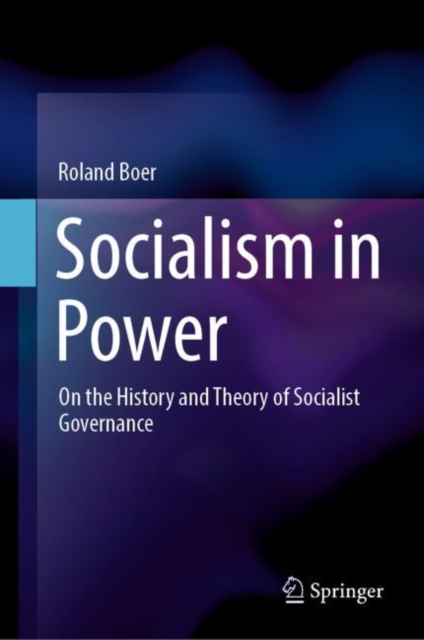
This book states that the political systems of China, Vietnam, Cuba and other socialist countries are showing distinct maturity and ability to deal effectively with challenges - the most recent being the COVID-19 pandemic.
This book is a socio-philosophical journey across several aspects of our society's focus on individual freedom, taking cues from some of the most prominent thinkers of our time.
This book shows how modern political, economic and moral theory, including our ideas of liberty and individualism, are trapped in 17th century notions of intuitive reasoning and not informed by modern scientific understanding.
This book shows how modern political, economic and moral theory, including our ideas of liberty and individualism, are trapped in 17th century notions of intuitive reasoning and not informed by modern scientific understanding.
This book provides a unique introduction for business leaders to the philosophical lexicon of classical and contemporary ideas-for and against-that are relevant to business and those destined to lead it.
This book provides a unique introduction for business leaders to the philosophical lexicon of classical and contemporary ideas-for and against-that are relevant to business and those destined to lead it.
This book constitutes a timely intervention into debates over the status of Taiwan, at a moment when discussions of democracy and autocracy, imperialism and agency, unipolarity and multipolarity, dominate the intellectual agenda of the day.
This book constitutes a timely intervention into debates over the status of Taiwan, at a moment when discussions of democracy and autocracy, imperialism and agency, unipolarity and multipolarity, dominate the intellectual agenda of the day.
An accessible and jargon-free introduction breathing new life into the achievements of Karl MarxAlthough one of the most influential thinkers of the last millennium, Karl Marx was relatively unheralded during most of his lifetime.
The book is about the role of religious leadership in settling disputes of a legal nature within religious communities and the effects of this process on immigrant integration in Canada and the USA.
This book's overarching premise is that discussion and critique in the discourses of architecture and urbanism have their primary focus on engagements with form, particularly in the sense of the question as to what planning and architecture signify with respect to the forms they take, and how their meanings or content (what is "e;contained"e;) is considered in relation to form-as-container.
Selfie: Poetry, Social Change & Ecological Connection presents the first general theory that links poetry in environmental thought to poetry as an environment.
This book states that the political systems of China, Vietnam, Cuba and other socialist countries are showing distinct maturity and ability to deal effectively with challenges - the most recent being the COVID-19 pandemic.
This book conveys the essence of a series of guided conversations with leading Malaysian intellectuals-predominantly writers, journalists, academicians, some artists, and other thinkers-in the early 1970s.