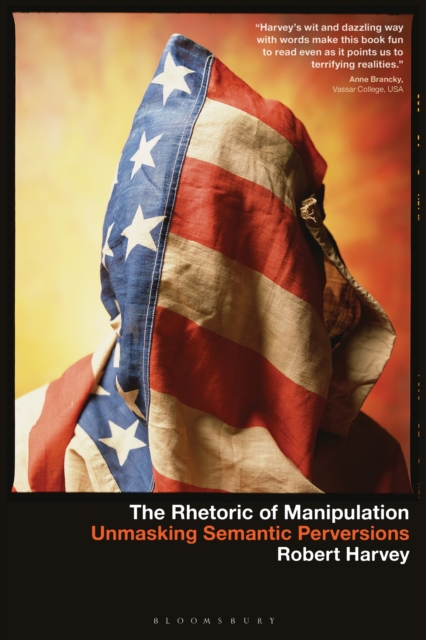
A provocative and timely look at how language is used to manipulate the truth, how our gullibility leaves us susceptible to manipulation, and what we can do to reverse these trends.
Bringing together the various heterodox traditions, groups and scholars that came under the heading of Open Marxism for the first time, this book assesses the evolution of Open Marxism from the initial usage of the term by Kostas Axelos in France in the 1950s and the journal, Arguments, principally the 'anarchist Marx' of Maximilien Rubel and the 'Libertarian Marxism' of Daniel Gu rin, through Open Marxism as it was developed in Eastern Europe, especially in the scholarly work of Karel Kosik in Czechoslovakia, the work of the Polish Open Marxists and the Praxis group in Yugoslavia, to Johannes Agnoli's work in post-1968 (West) Germany, and finally to the work developed by Bonefeld, Clarke, Gunn and Holloway within the framework of the Conference of Socialist Economists (CSE) in Britain since the 1980s.
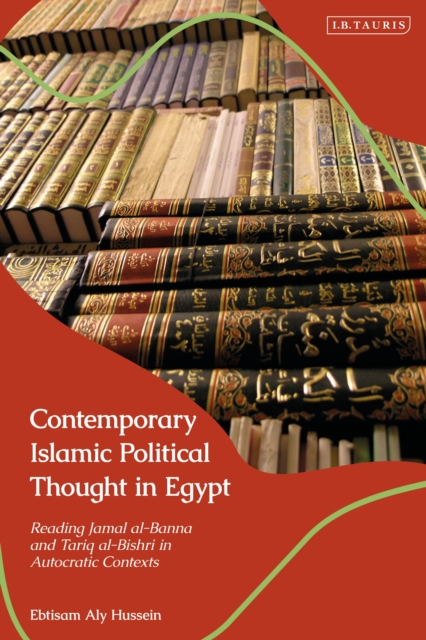
This book takes a hermeneutic approach toward reading the writings of Jamal al-Banna and Tariq al-Bishri across several decades in order to explore contemporary Islamic political thought under authoritarianism.
This volume explores the relationship between justice and freedom in Hegels practical philosophy, with a particular focus on the pivotal concept of reciprocal recognition.
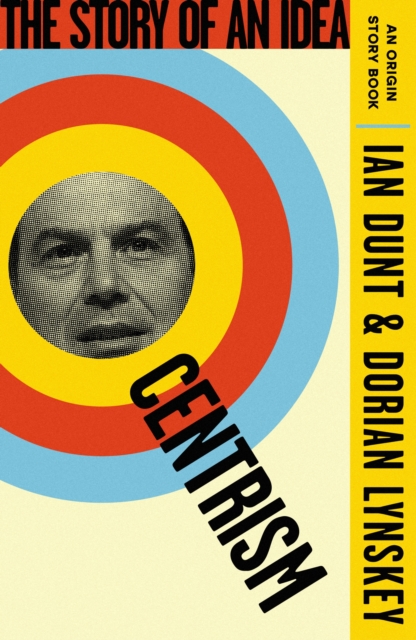
AN ORIGIN STORY BOOK'Provides clarity, scholarship, wit and essential insight into why our world is the way it is' Adam Rutherford'I wish I could make Ian and Dorian's work mandatory' Sathnam SangheraA coherent political philosophy or a vacuous cop-out?
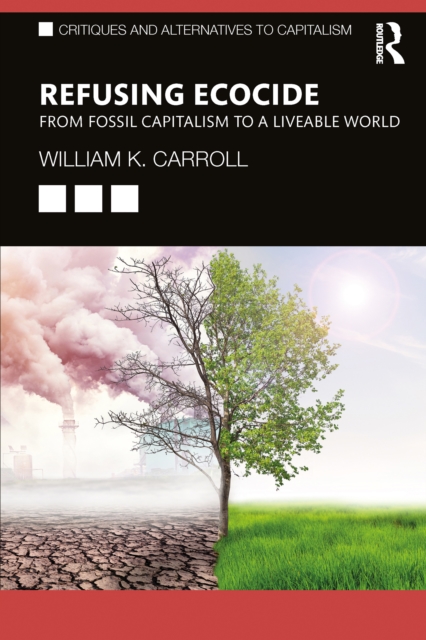
Refusing Ecocide: From Fossil Capitalism to a Liveable World provides a critical analysis of the central role of fossil capitalism in causing climate change and argues that only alternatives based upon democratic eco-socialism can prevent the deepening of the climate crisis.
This book explores possible and realistic alternatives to a capitalism that is no longer sustainable, whether economically, socially, or for a habitable planet.
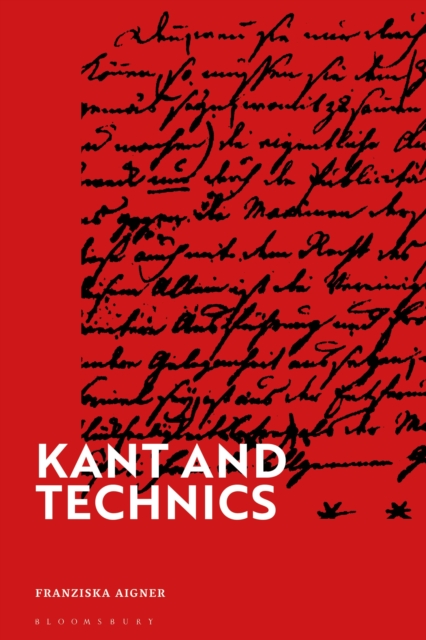
Martin Heidegger, Gilbert Simondon, and Bernard Stiegler each argued in their own way that, ever since its inception in ancient Greece, western philosophy is incapable of thinking technics, which reaches its clearest expression in the philosophy of Immanuel Kant.
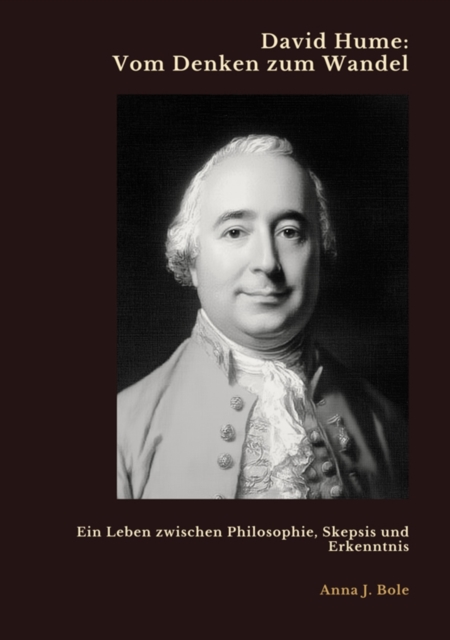
David Hume, einer der einflussreichsten Denker der Aufklärung, revolutionierte das Verständnis von menschlicher Erkenntnis, Moral und der Natur des Selbst.
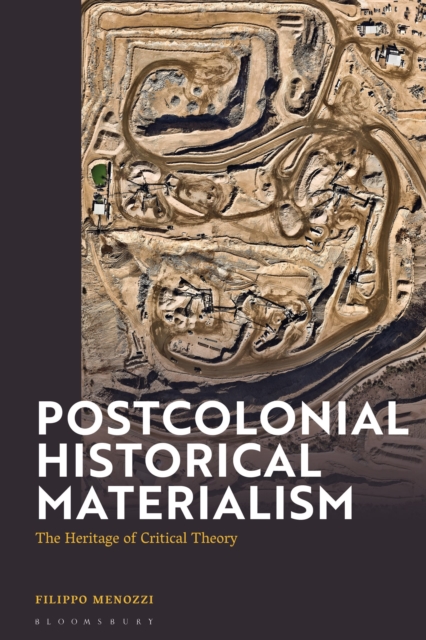
Through a reappraisal of the work of four major figures in critical theory Ernst Bloch, Georg Luk cs, Theodor Adorno, and Walter Benjamin Filippo Menozzi rethinks the tradition of critical theory in relation to pressing concerns in postcolonial studies.
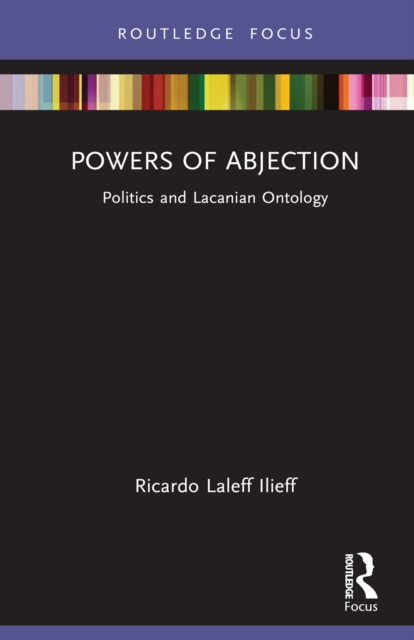
In this book, Ricardo Laleff Ilieff presents a new ontological understanding of politics through the writings of Julia Kristeva's notion of "e;abjection"e; in dialogue with Sigmund Freud's concept of "e;Unheimlich"e; and Jacques Lacan's ontology "e;du rel"e;.
Based on theatrical research of unusual depth and enterprise, Theatre as a Weapon (1986) shows how the workers' theatre of the 1920s and 1930s transformed the social function of theatre.
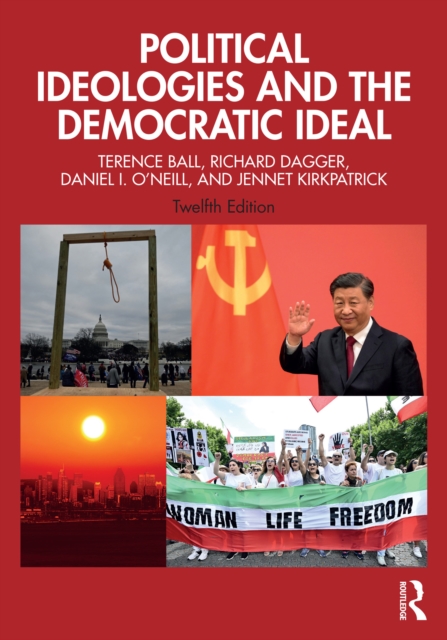
Now in its twelfth edition, Political Ideologies and the Democratic Ideal continues the book's tradition of offering a clear, concise, and comprehensive introduction to the ideas and ideals that shake and shape our political world.
This book takes a hermeneutic approach toward reading the writings of Jamal al-Banna and Tariq al-Bishri across several decades in order to explore contemporary Islamic political thought under authoritarianism.
Amor, consentimiento, militancia, populismo… Encontramos estos conceptos en los medios, los discutimos compartiendo un café y los pronunciamos en nuestra intimidad, pero ¿los entendemos realmente?
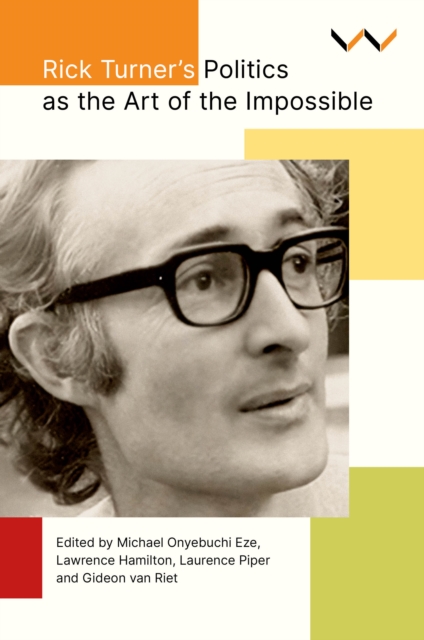
Rick Turner was a South African academic and activist who rebelled against apartheid at the height of its power and was assassinated in 1978 when he was 32 years old, but his life and work are testimony to the power of philosophical thinking for humans everywhere.
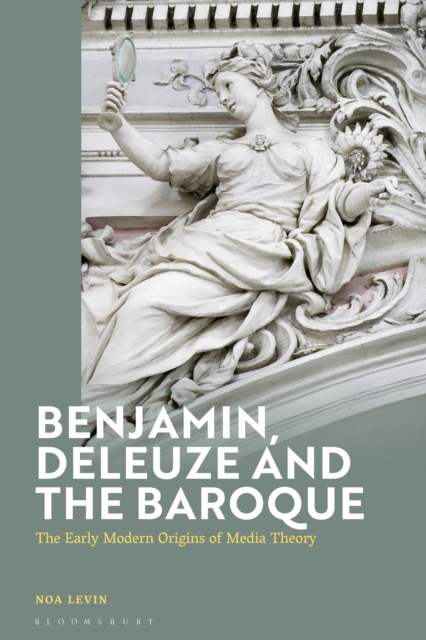
For Walter Benjamin and Gilles Deleuze, who both authored seminal theoretical works on early cinema and photography, the history of modern media begins much earlier, in Baroque culture and science.