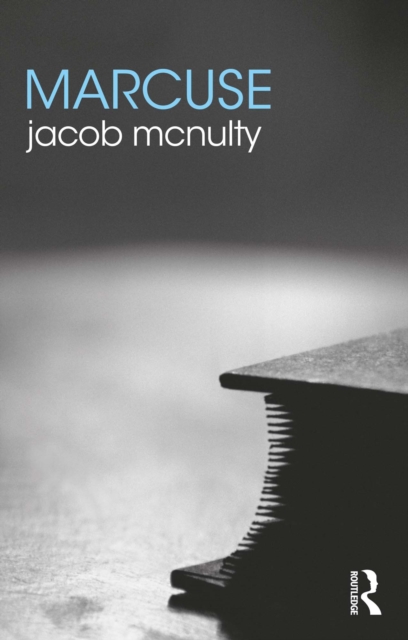
Dialectical Materialism (1958) surveys the history of dialectical materialism from its Hegelian beginnings to the death of Stalin, and its sequel in the celebrated XXth Party Congress of the C.
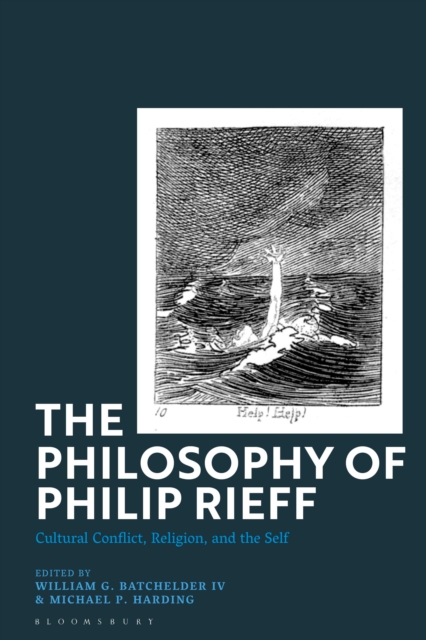
Arguing that Philip Rieff was a Freudian who departed in vital and fascinating ways from Freud, and a committed modern who nevertheless viewed modernity as a disaster, this book makes clear his thought transcends contemporary left-right culture war dichotomies.
Para pensar adecuadamente la ambigüedad de la vivencia religiosa en la cultura actual es necesario revisar con parsimonia crítica la relación entre lo sagrado y lo santo.
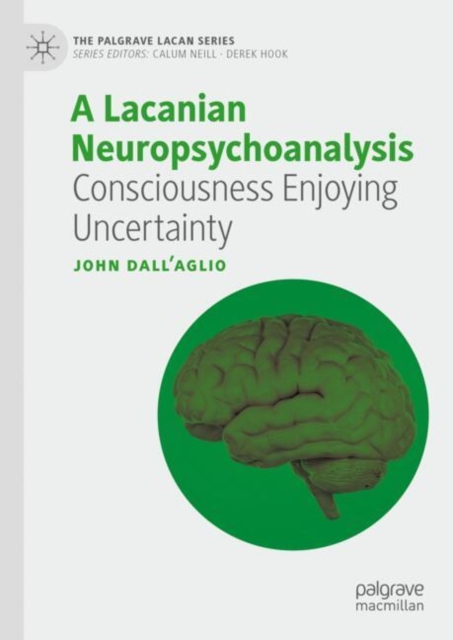
This book brings together Lacanian psychoanalysis, neuropsychoanalytic work by Mark Solms and Ariane Bazan, Jaak Panksepp's affective neuroscience, Karl Friston's free energy principle, Adrian Johnston's transcendental materialist philosophy, and Darian Leader's critique of jouissance in Lacanian theory.
This book brings together Lacanian psychoanalysis, neuropsychoanalytic work by Mark Solms and Ariane Bazan, Jaak Panksepp's affective neuroscience, Karl Friston's free energy principle, Adrian Johnston's transcendental materialist philosophy, and Darian Leader's critique of jouissance in Lacanian theory.
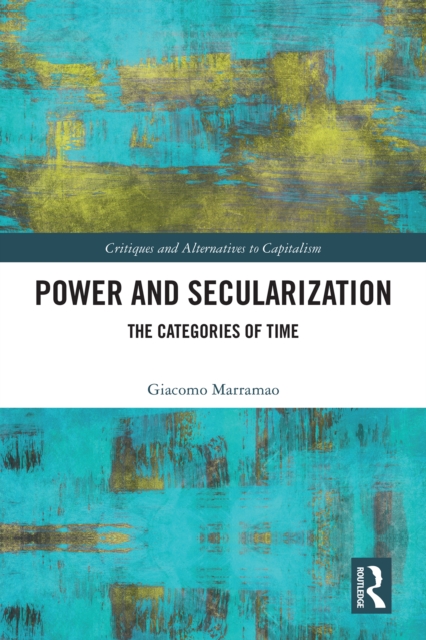
This book offers a geneaological understanding of the condition of our time by reconstructing the complex story of the transition from the "e;cyclical time"e; of the classic era to the "e;linear and infuturant time"e; of the modern world.
Exploring the critical potential of place in continental philosophy, Possibilities of Place in Continental Thought tests the political and ontological valences of this concept to go beyond the limits of existing geographical and phenomenological approaches.
Jean-Jacques Rousseau's international thought anticipates many of the political dynamics that have arisen through globalization and great power competition.
This book examines the understudied role of the interfaith movement in institutionalizing religious pluralism in the public life of contemporary societies through the case study of Interfaith Scotland.
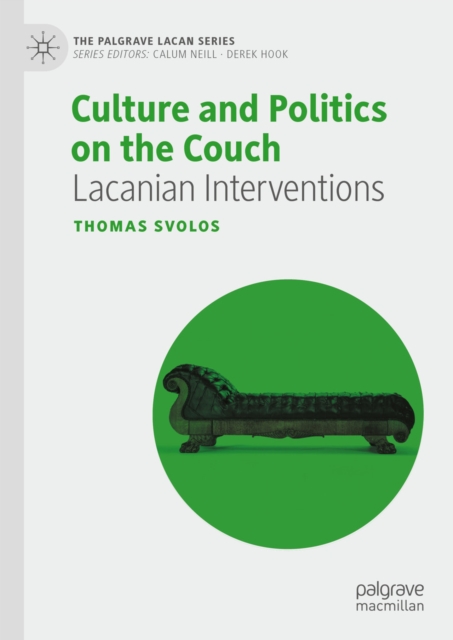
In this book, Thomas Svolos tests the claim that a practicing psychoanalyst is afforded a unique perspective on issues of politics, social and cultural affairs, trained, as they are, to look out for that which is not readily transparent to a patient.
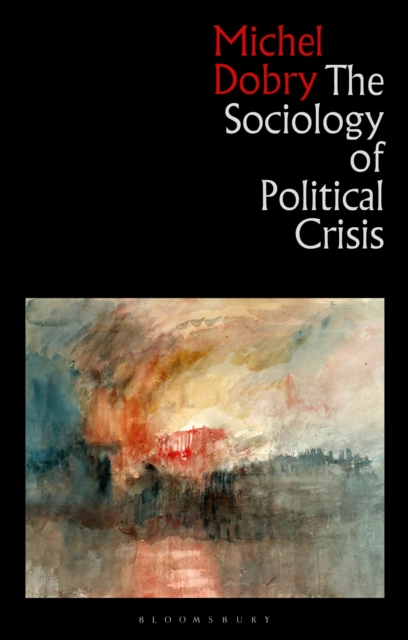
The Sociology of Political Crisis provides a pioneering and powerful theoretical approach to a large range of critical events like political breakdowns, revolutions, upheavals or collapses, which it considers as self-fueling processes emancipating themselves from the multiple causes that gave rise to them.
Drawing on Marcuse, Adorno, Arendt and a variety of other critical social philosophers, this book introduces us to a familiar character amid the wreckage of the post-pandemic economy: no-dimensional man.
Following the narratives explored in Hominescence, Incandescent and The Bough, Michel Serres continues and concludes his 'grand story' of humanity and humanism.
In this book, Thomas Svolos tests the claim that a practicing psychoanalyst is afforded a unique perspective on issues of politics, social and cultural affairs, trained, as they are, to look out for that which is not readily transparent to a patient.