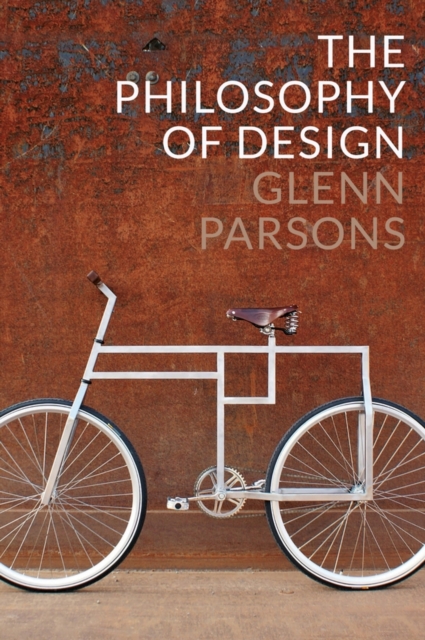
Humans have become so powerful that we have disrupted the functioning of the Earth System as a whole, bringing on a new geological epoch the Anthropocene one in which the serene and clement conditions that allowed civilisation to flourish are disappearing and we quail before 'the wakened giant'.
The essence of libertarianism is the view that coercive political institutions, such as the state, are justified only insofar as they function to protect each person s liberty to pursue their own goals and well-being in their own way.
The core of what we refer to as the project of modernity is the idea that human beings have the power to bring the world under their control, and hence it is based on a kinetic utopia : the movement of the world as a whole reflects the implementation of our plans for it.
In a context marked by the virulent return of patriarchal and white supremacist attitudes, a new generation of feminist activists are continuing the struggle: these are very feminist times.
Jean-Jacques Rousseau is one of the most controversial philosophers of the eighteenth century, and his groundbreaking work still provokes heated debate in contemporary political theory.
In his philosophical reflections on the art of lingering, acclaimed cultural theorist Byung-Chul Han argues that the value we attach today to the vita activa is producing a crisis in our sense of time.
Following the collapse of communism and the decline of Marxism, some commentators have claimed that we have reached the 'end of history' and that the distinction between Left and Right can be forgotten.
This revised edition of Kimberly Hutchings s best-selling textbook provides an accessible introduction to the field of Global Ethics for students of politics, international relations and globalization.
Frantz Fanon was a French psychiatrist turned Algerian revolutionary of Martinican origin, and one of the most important and controversial thinkers of the postwar period.
All discourses aimed at asserting the value of human life as such whether philosophical, ethical, or political assume the notion of personhood as their indispensable point of departure.
This book by Roberto Esposito - a leading Italian political philosopher - is a highly original exploration of the relationship between human bodies and societies.
Amid a devastating economic crisis, two tragic events coming from the outside the wave of immigration and Islamic terrorism have radically changed the profile and significance of the space we call Europe.
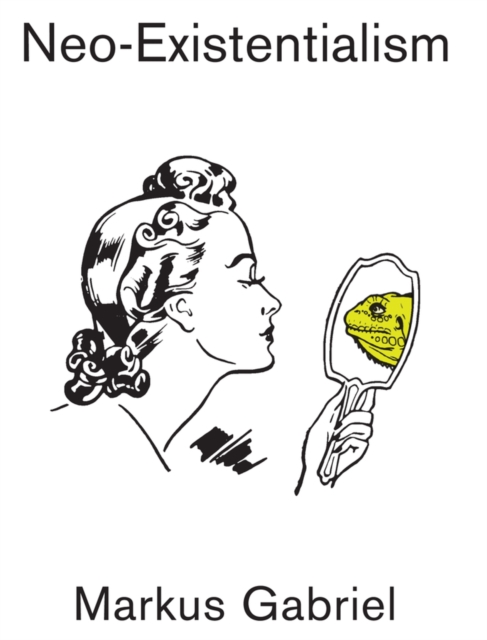
In this highly original book, Markus Gabriel offers an account of the human self that overcomes the deadlocks inherent in the standard positions of contemporary philosophy of mind.
Less than a century old, the concept of totalitarianism is one of the most controversial in political theory, with some proposing to abandon it altogether.
Pierre Bourdieu is arguably the most influential sociologist of the twentieth century, especially since the once common criticisms of his determinism and reproductionism have receded.
What do the invention of anaesthetics in the middle of the nineteenth century, the Nazis' use of cocaine, and the development of Prozac have in common?
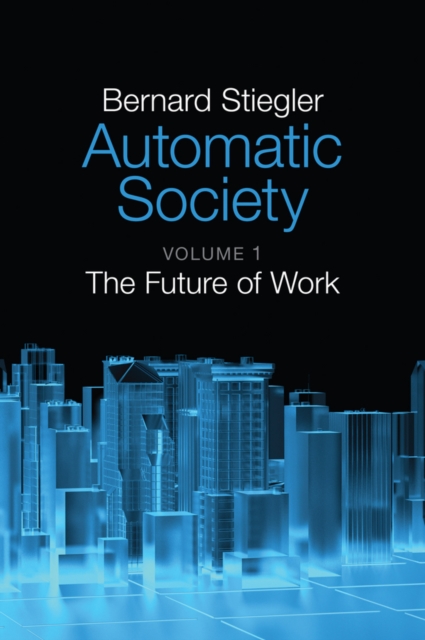
In July 2014 the Belgian newspaper Le Soir claimed that France, Belgium, the United Kingdom, Italy, Poland and the United States may lose between 43 and 50 per cent of their jobs within ten to fifteen years.