Jean Birnbaum retoma, tras El coraje del matiz, el pulso de la politica y la introspeccion con una pregunta aparentemente sencilla: que sucede cuando llega un hijo al mundo?
Derzeit findet ein kultureller Befreiungskampf statt: Junge Menschen wehren sich dagegen, dass ihr sexuelles Selbstverstandnis verachtlich behandelt und unterdruckt wird.
Derzeit findet ein kultureller Befreiungskampf statt: Junge Menschen wehren sich dagegen, dass ihr sexuelles Selbstverstandnis verachtlich behandelt und unterdruckt wird.
Frente a la ola de pensamiento positivo y optimismo banal, Mara van der Lugt nos muestra los efectos transformadores de pensar el futuro desde un sano pesimismo.
Este libro retoma, de manera audaz, la clasica pregunta por la tecnica en una epoca de meta-tecnologia, ensayando una perspectiva que vincula la filosofia, las teorias de la mediatizacion y los enfoques socio-culturales, para cuestionar la pretendida relacion de exterioridad de lo tecnico que aun circula en la doxa.
Sentimentologia es una obra reflexiva y trascendental que explora la naturaleza del alma humana, el destino mas alla de la muerte y la verdadera medida del valor personal: los actos, no las creencias.
Erfahrung, Logik und Intuition sind die drei Erkenntnisweisen, mit deren Hilfe die Dreiteilungshypothese vordergrundig ausschlielich aufgestellt wurde und seitdem immer weiter ausgebaut wird.
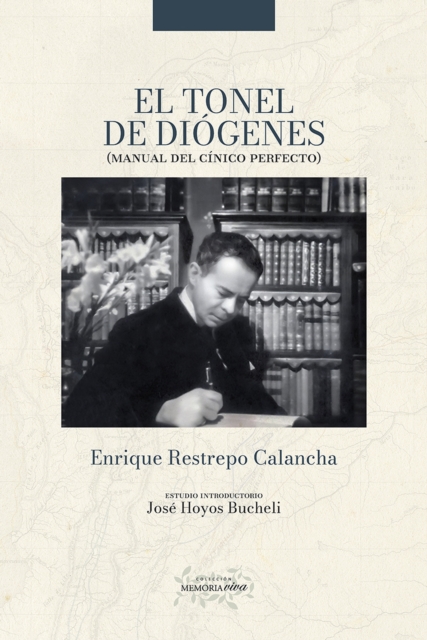
Este texto, publicado en 1925, se situa en una tendencia de escritura del pensamiento que tuvo su inicio, quizas, en la decada de 1910 con los libros de aforismos de Jose Maria Vargas Vila.
Philosophie im Alltags-CheckWas der Philosoph Robert Pfaller in seinen gro en Buchern ausfuhrlich hergeleitet hat, wird hier in knapper Form anhand akuteller Themen erklart.
Hacia 1670, Daniel Walther sustenta en la Universidad de Wittenberg el trabajo de grado de Magister en Teologia Con la guia de Dios, la guerra es licita para los cristianos.
Der Kern dieser Studie der - traditionell als unbefriedigend angesehenen - Toposlehre des Aristoteles liegt darin, die uberlieferten, teils fragmentarisch gebliebenen, teils offensichtliche Inkonsistenzen aufweisenden Textzeugnisse zur Toposlehre (Kategorienlehre, Physik) systematisch als Zeugnisse fur die Momente der von Aristoteles vollzogenen Denkbewegung zu interpretieren und nicht nur als Teil- oder Bruchstucke des Aristotelischen Systems .
Son tematica primordial de la revista las disciplinas clasicas de la filosofia y su historia: metafisica, epistemologia, logica, etica, filosofia de la ciencia y de la mente, filosofia de la religion, estetica o filosofia de la historia.
Este libro colectivo llama la atencion sobre el caracter etico-politico de la reflexion de Michel Foucault, figura indiscutible del pensamiento contemporaneo.
En la mejor tradicion de denuncia del existencialismo de Kierkegaard, Sartre, Camus e Ionesco, Conciencia del tiempo existencial es un grito desgarrador de rebeldia ante una humanidad que parece haber perdido el rumbo.