Hopes and Prospects is Noam Chomsky's indispensable analysis of the world at present and a roadmap for the futureIn Hopes and Prospects, Noam Chomsky examines the challenges of our early twenty-first century.
Paris between the wars: our impression is one of gaiety, frivolity, fashion, of exuberant living - a city whose lights were put out by the terrifyingly rapid advance of the German panzers in 1940.
Theories of justice are haunted by a paradox: the more ambitious the theory of justice, the less applicable and useful the model is to political practice; yet the more politically realistic the theory, the weaker its moral ambition, rendering it unsound and equally useless.
Niklas Luhmann (1927-1998) was a German sociologist and system theorist who wrote on law, economics, politics, art, religion, ecology, mass media, and love.
We fear that the growing threat of violent attack has upset the balance between existential concepts of political power, which emphasize security, and traditional notions of constitutional limits meant to protect civil liberties.
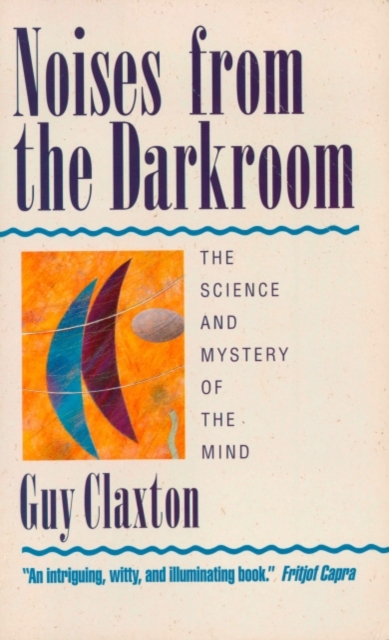
In recent decades, issues that reside at the center of philosophical and psychological inquiry have been absorbed into a scientific framework variously identified as "e;brain science,"e; "e;cognitive science,"e; and "e;cognitive neuroscience.
Ethnic cleansing and other methods of political and social exclusion continue to thrive in our globalized world, complicating the idea that unity and diversity can exist in the same society.
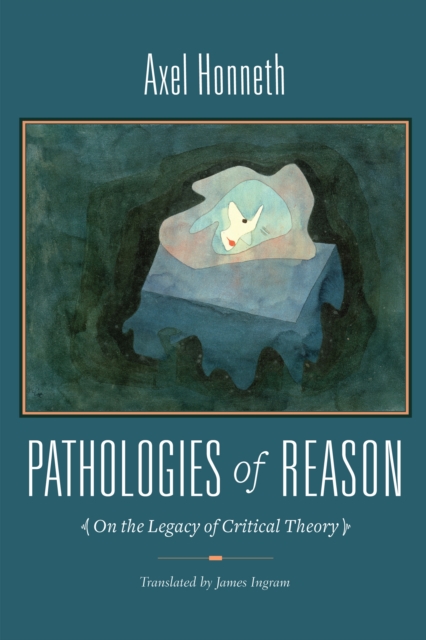
Axel Honneth has been instrumental in advancing the work of the Frankfurt School of critical theorists, rebuilding their effort to combine radical social and political analysis with rigorous philosophical inquiry.
During the twentieth century, the view that assertions and norms are valid insofar as they respond to principles independent of all local and temporal contexts came under attack from two perspectives: the partiality of translation and the intersubjective constitution of the self, understood as responsive to recognition.
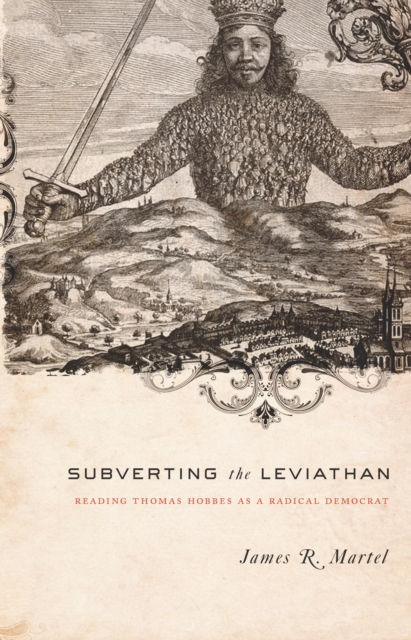
In Leviathan, Thomas Hobbes's landmark work on political philosophy, James Martel argues that although Hobbes pays lip service to the superior interpretive authority of the sovereign, he consistently subverts this authority throughout the book by returning it to the reader.
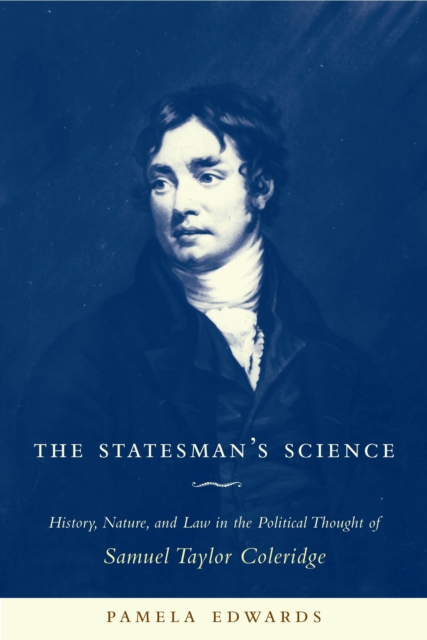
Author of "e;Kubla Khan"e; and the epic "e;The Rime of the Ancient Mariner,"e; Samuel Taylor Coleridge is remembered principally for his contributions as a romantic poet.
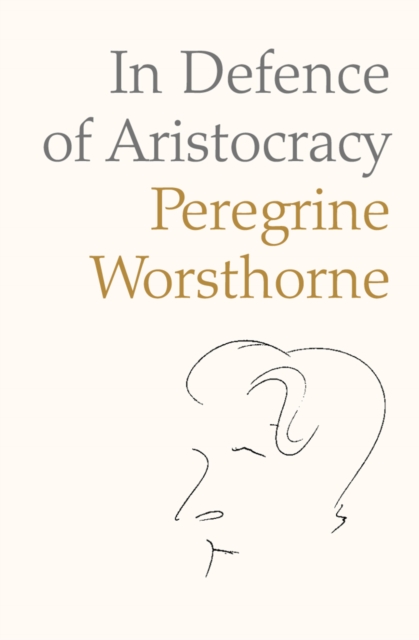
In this controversial and hotly discussed book, Sir Peregrine presents a reactionary and playful look at the origins, evolution and demise of the aristocracy.
The companion to a series of lectures given by Lessing, winner of the Nobel Prize for Literature, in which she addresses some of the most important questions facing us today.
WINNER OF THE FORWARD PRIZE FOR BEST FIRST COLLECTIONChosen as a Book of the Year by New Statesman, Financial Times, Guardian, Observer, Rough Trade and the BBCShortlisted for the Rathbones Folio PrizeLonglisted for the Jhalak Prize'Restlessly inventive, brutally graceful, startlingly beautiful .
In this fascinating and illuminating work, Leonard Mlodinow guides us through the critical eras and events in the development of science, all of which, he demonstrates, were propelled forward by humankind's collective struggle to know.
In Trouble in Paradise, Slavoj i ek, one of our most famous, most combative philosophers, explains how by drawing on the ideas of communism, we can find a way out of the crisis of capitalism.
In recent decades, we have witnessed an explosion in the number of visual images we encounter, as our lives have become increasingly saturated with screens.
What connects the "e;miracle on the Hudson"e; to the planning of the French railway system, or the mysterious outbreak of strange smells in downtown Manhattan to the invention of the Internet?
Sudhir Hazareesingh's How the French Think is a warm yet incisive exploration of the French intellectual tradition, and its exceptional place in a nation's identity and lifestyleWhy are the French an exceptional nation?
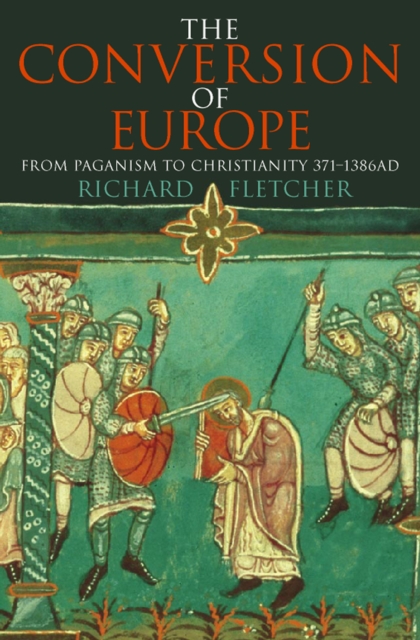
The story of how Europe was converted to Christianity from 300AD until the barbarian Lithuanians finally capitulated at the astonishingly late date of 1386.
10 ways to tap into your creative geniusDid you know the number of ideas it is possible for your brain to create is greater than the number of atoms in the known universe?