Die "Abhandlung über die Methode" ist eines der einflussreichsten Werke in der Geschichte der modernen Philosophie und imperativ für die Entwicklung der Naturwissenschaften.
The Subjection of Women offers both detailed argumentation and passionate eloquence in opposition to the social and legal inequalities commonly imposed upon women by a patriarchal culture.
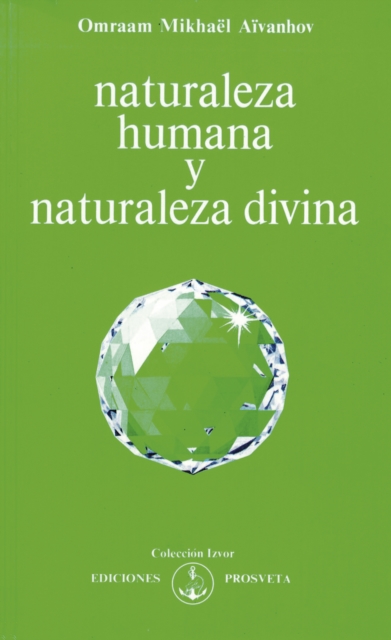
Cada uno de nosotros puede, a través de este libro, aprender a utilizar su propia naturaleza para ennoblecerla, con lo cual descubrirá poco a poco en él, una instancia psíquica superior: su individualidad.
Dieses eBook: "Das Ich und die Dämonien" ist mit einem detaillierten und dynamischen Inhaltsverzeichnis versehen und wurde sorgfältig korrekturgelesen.
¿Por qué la mayoría de los humanos dejan que sus tendencias instintivas se desarrollen libremente sin contar con sus facultades superiores para dominarlas y orientarlas, o bien arremeten contra ellas para aniquilarlas como si fueran enemigas de su evolución?
This carefully crafted ebook: "e;First and Last Things - A Confession of Faith and Rule of Life (The original unabridged edition, all 4 books in 1 volume)"e; is formatted for your eReader with a functional and detailed table of contents.
Animal fantástico común a todas las mitologías, que también encontramos en la iconografía cristiana, el dragón no es una lejana ficción: es el símbolo de las fuerzas instintivas del ser humano.
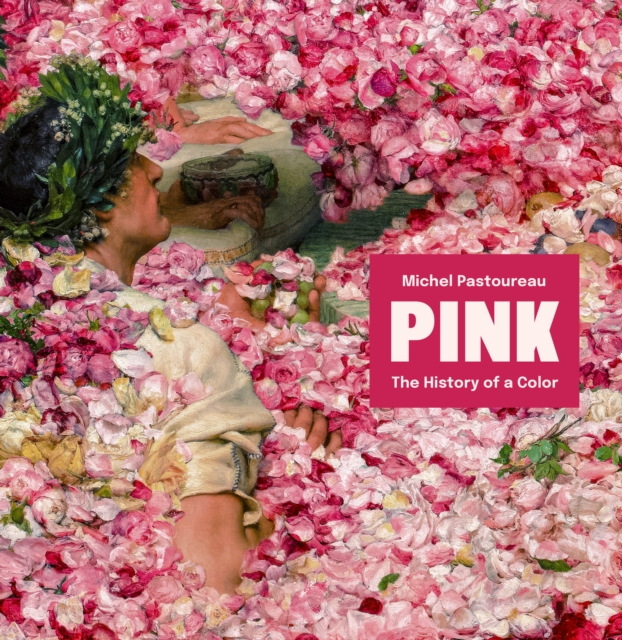
From the acclaimed author of Blue and other color histories, the beautifully illustrated story of pink, from the first ancient pigments to BarbiePink has such powerful associations today that it's hard to imagine the color could ever have meant anything different.
From the acclaimed author of Blue and other color histories, the beautifully illustrated story of pink, from the first ancient pigments to BarbiePink has such powerful associations today that it's hard to imagine the color could ever have meant anything different.
La suerte juega un papel importante en la determinación de nuestros juicios de responsabilidad y nos obliga, a menudo, a reflexionar sobre nuestras nociones de moralidad.
"Este 'tratado de fe viva' que nos ofrece fray Pepe Guirado, es un entusiasta anuncio de la fe viva, que tiene lugar en el encuentro personal con el Dios de Jesús", afirma el papa Francisco en el prólogo de esta obra.
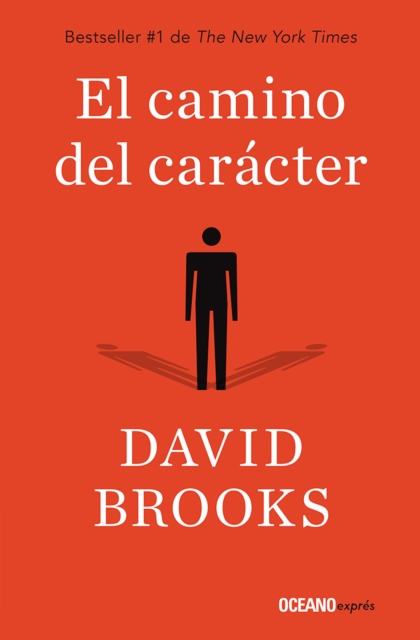
David Brooks ha construido una brillante carrera como articulista en The New York Times, allí, con su implacable ingenio, ha enriquecido nuestras mañanas con sorprendentes historias narradas con humor y sabiduría.
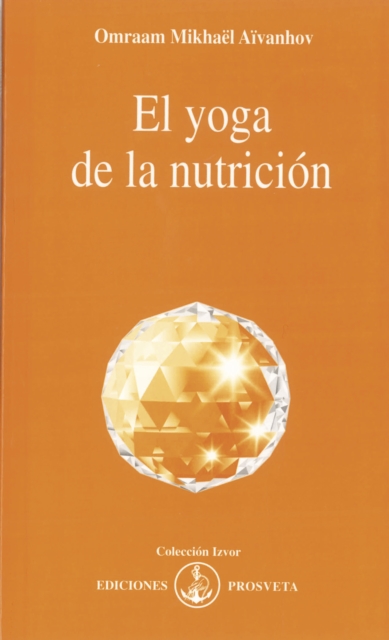
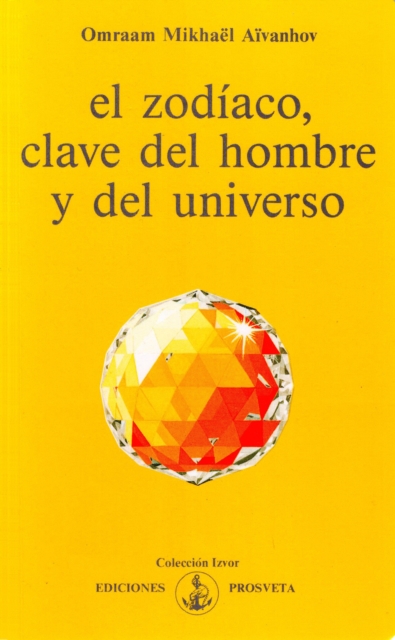
El mundo entero pone la cuestión del alimento en primer lugar, todos procuran resolver esta cuestión de forma prioritaria, trabajan y hasta se pelean para ello.
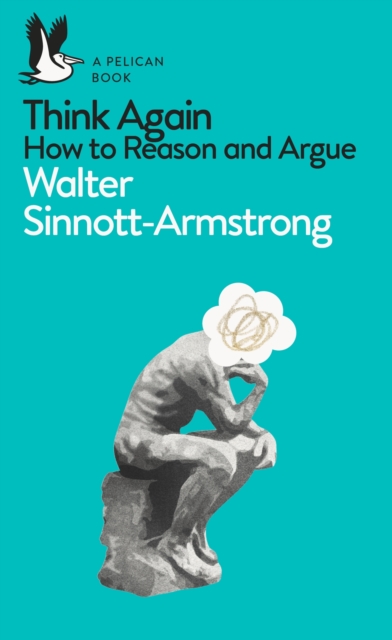
A masterclass in persuasion from the inspiring philosopher who has taught a million people to argue through his popular open online courseOur personal and political worlds are rife with arguments and disagreements, some of them petty and vitriolic.
Dieses Buch bietet eine vollständige Neuinterpretation von Kants »Kritik der Urteilskraft«, in der nicht nur die thematisch-systematische Einheit dieses Buches streng rekonstruiert und im Rahmen der Transzendentalphilosophie neu verortet, sondern zugleich ihre Anschlussfähigkeit an aktuelle Fragen der Forschung demonstriert wird.
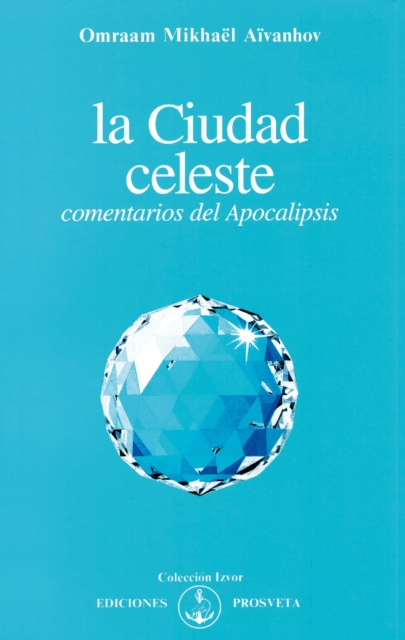
"«Si hay tantas ""verdades"" diferentes y contradictorias que circulan por el mundo, es porque ello refleja la deformación del corazón y del intelecto de los humanos.
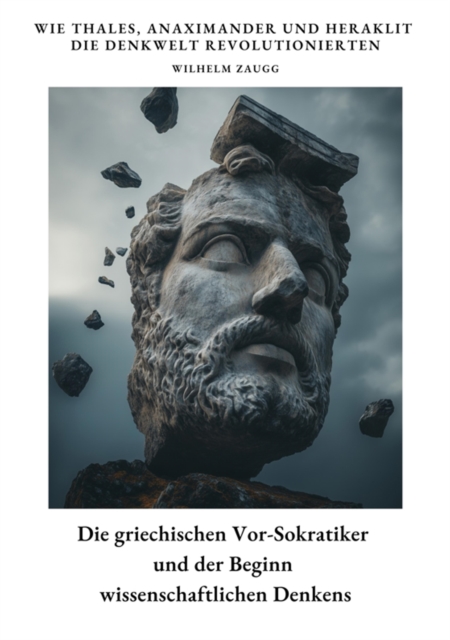
Die Anfänge der westlichen Philosophie sind eng mit den Vor-Sokratikern verbunden, die in einer Zeit tiefgreifender Umbrüche und neuer Denkansätze lebten.
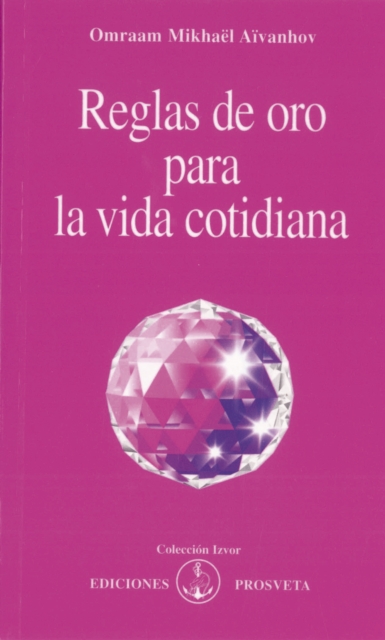
"Acostumbraros a considerar vuestra vida cotidiana, los actos que debéis cumplir, los acontecimientos que se os presentan, los seres con los que debéis vivir o encontraros, como una materia sobre la que debéis trabajar para transformarla.
El pensamiento de Giorgio Agamben consiste en un dispositivo filosófico que plantea la exigencia de emancipación de lo constituido, pero sin generar una nueva constitución.
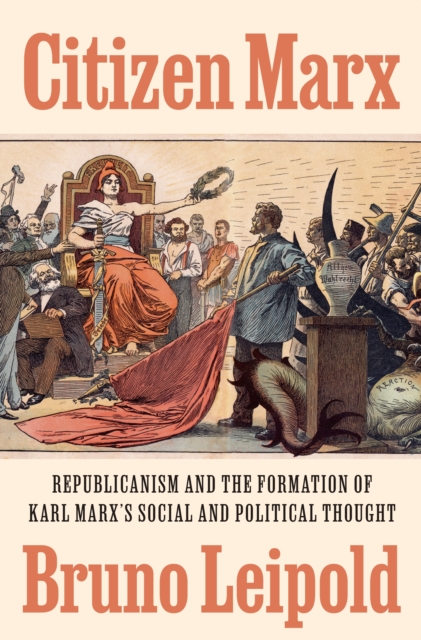
The first book to offer a comprehensive exploration of Marx's relationship to republicanism, arguing that it is essential to understanding his thoughtIn Citizen Marx, Bruno Leipold argues that, contrary to certain interpretive commonplaces, Karl Marx's thinking was deeply informed by republicanism.
Dieses eBook: "Philosophie des Unbewußten" ist mit einem detaillierten und dynamischen Inhaltsverzeichnis versehen und wurde sorgfältig korrekturgelesen.
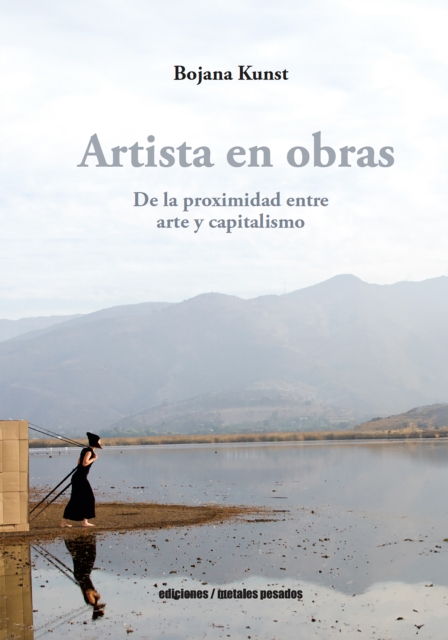
"En Artista en obras, Bojana Kunst lee a través de una serie de piezas, cronologías y polémicas provenientes del mundo de las artes performativas, las formas de labor ocultas tras conceptos y prácticas tan mentados en el presente como performance, audiencia, colaboración, movimiento, virtuosismo o visibilidad.
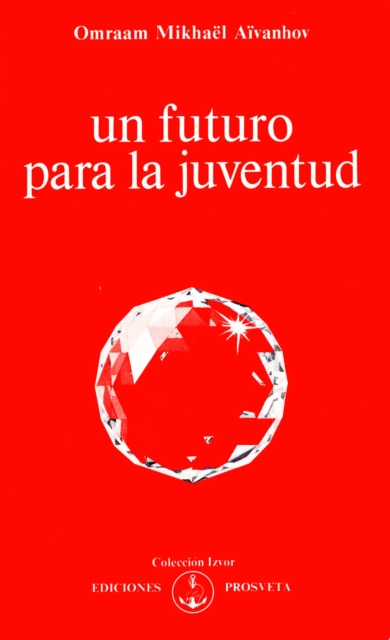
Para la mayoría de los hombres y de las mujeres que se preparan para ser padres y madres, la constitución de su hijo, su carácter, sus facultades, sus cualidades, sus defectos, dependen del azar.