A bold reevaluation of Spinoza that reveals his powerful, inclusive vision of religion for the modern ageSpinoza is widely regarded as either a God-forsaking atheist or a God-intoxicated pantheist, but Clare Carlisle says that he was neither.
The acknowledged masterpiece of Unamuno expresses the anguish of modern man as he is caught up in the struggle between the dictates of reason and the demands of his own heart.
An intellectual history of the philosophers who grappled with the problem of evil, and the case for why pessimism still holds moral value for us todayIn the seventeenth and eighteenth centuries, philosophers engaged in heated debates on the question of how God could have allowed evil and suffering in a creation that is supposedly good.
A provocative and timely case for how the science of genetics can help create a more just and equal societyIn recent years, scientists like Kathryn Paige Harden have shown that DNA makes us different, in our personalities and in our health-and in ways that matter for educational and economic success in our current society.
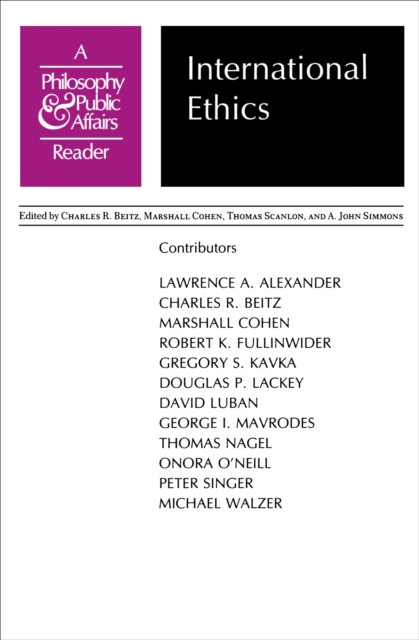
This book is comprised of essays previously published in Philosophy & Public Affairs and also an extended excerpt from Michael Walzer's Just and Unjust Wars.
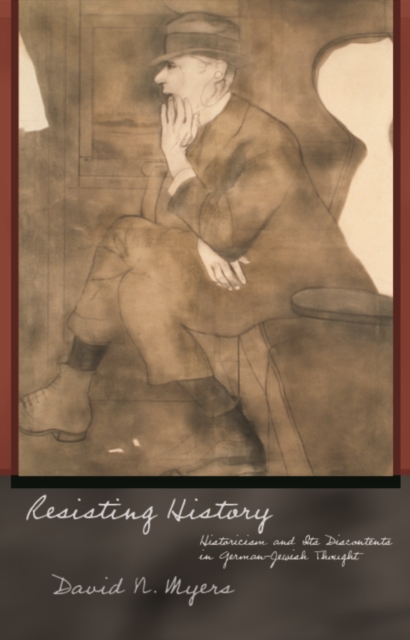
Nineteenth-century European thought, especially in Germany, was increasingly dominated by a new historicist impulse to situate every event, person, or text in its particular context.
How the insane asylum became a laboratory of democracy is revealed in this provocative look at the treatment of the mentally ill in nineteenth-century France.
Examining the social and political upheavals that characterized the collapse of public judgment in early modern Europe, Liberating Judgment offers a unique account of the achievement of liberal democracy and self-government.
This is the first major work in English to explore at length the meaning, context, aims, and vital importance of Thomas Hobbes's concepts of the law of nature and the right of nature.
Machiavelli's Ethics challenges the most entrenched understandings of Machiavelli, arguing that he was a moral and political philosopher who consistently favored the rule of law over that of men, that he had a coherent theory of justice, and that he did not defend the "e;Machiavellian"e; maxim that the ends justify the means.
Political moderation is the touchstone of democracy, which could not function without compromise and bargaining, yet it is one of the most understudied concepts in political theory.
Perhaps no other Western writer has more deeply probed the bitter struggle in the Muslim world between the forces of religion and law and those of violence and lawlessness as Noah Feldman.
Why compromise is essential for effective government and why it is missing in politics todayTo govern in a democracy, political leaders have to compromise.
New perspectives on the role of collective responsibility in modern politicsStates are commonly blamed for wars, called on to apologize, held liable for debts and reparations, bound by treaties, and punished with sanctions.
How ancient skepticism can help you attain tranquility by learning to suspend judgmentAlong with Stoicism and Epicureanism, Skepticism is one of the three major schools of ancient Greek philosophy that claim to offer a way of living as well as thinking.
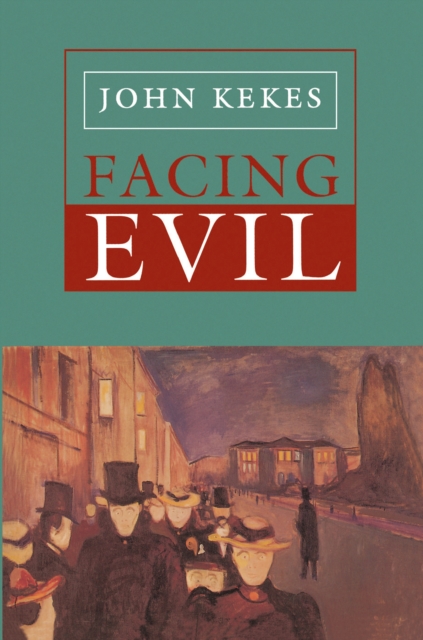
Arguing that the prevalence of evil presents a fundamental problem for our secular sensibility, John Kekes develops a conception of character-morality as a response.
This is the first comprehensive interpretation of John Locke's solution to one of philosophy's most enduring problems: free will and the nature of human agency.
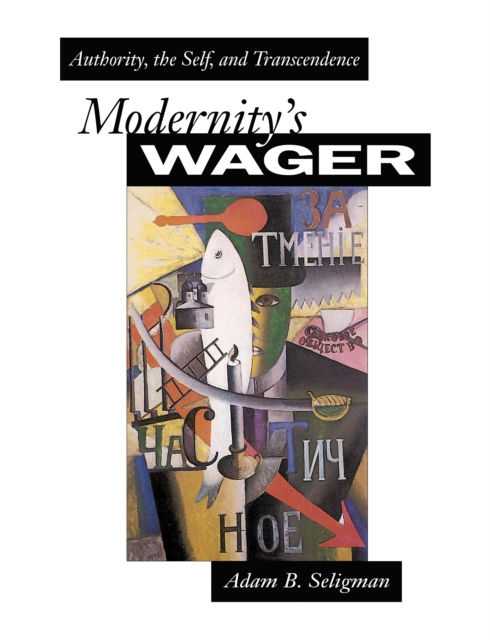
Adam Seligman, one of our most important social thinkers, continues the incisive critique of modernity he began in his previously acclaimed The Idea of Civil Society and The Problem of Trust.
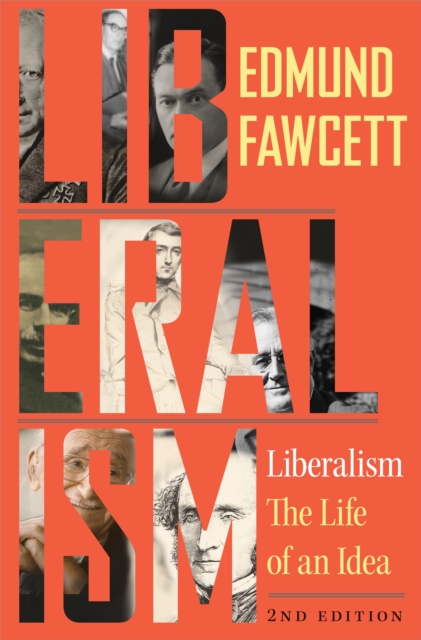
A compelling history of liberalism from the nineteenth century to todayDespite playing a decisive role in shaping the past two hundred years of American and European politics, liberalism is no longer the dominant force it once was.
A colorful history of utilitarianism told through the lives and ideas of Jeremy Bentham, John Stuart Mill, and its other foundersIn The Happiness Philosophers, Bart Schultz tells the colorful story of the lives and legacies of the founders of utilitarianism-one of the most influential yet misunderstood and maligned philosophies of the past two centuries.
Why our belief in government by the people is unrealistic-and what we can do about itDemocracy for Realists assails the romantic folk-theory at the heart of contemporary thinking about democratic politics and government, and offers a provocative alternative view grounded in the actual human nature of democratic citizens.
Philosophical wisdom and practical advice for overcoming the problems of middle ageHow can you reconcile yourself with the lives you will never lead, with possibilities foreclosed, and with nostalgia for lost youth?
El tema del "paternalismo", al que se dedican las siguientes contribuciones, tiene una larga tradición en la historia de las ideas, pero reviste especial importancia en la actualidad.
In The Faith of a Seeker, the author draws upon his lifelong search for truth and understanding, trying to face squarely the difficult issues of faith and science and those raised by biblical criticism.
How an acceptance of our limitations can lead to a more fulfilling life and a more harmonious societyWe live in a world oriented toward greatness, one in which we feel compelled to be among the wealthiest, most powerful, and most famous.
';One of the world's most widely read social scientists' (New York Times) offers his most personal and accessible booka celebration of how ordinary people can resist oppression and injusticeJames Scott taught us what's wrong with seeing like a state.
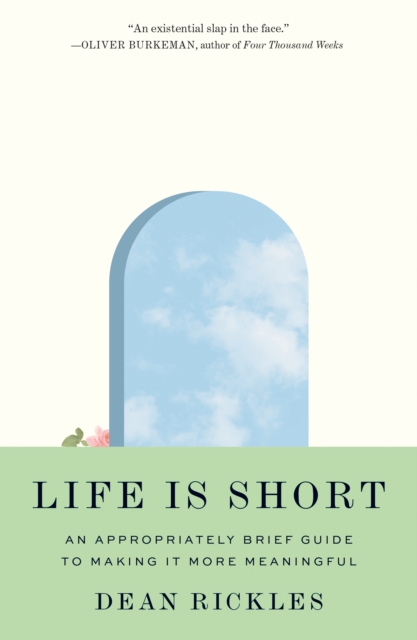
Why life's shortness-more than anything else-is what makes it meaningfulDeath might seem to render pointless all our attempts to create a meaningful life.
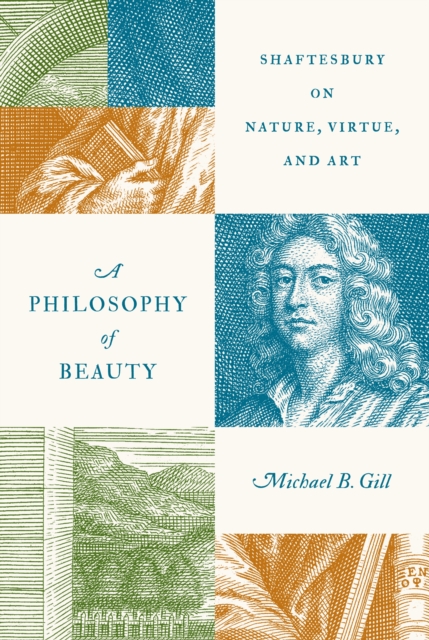
An engaging account of how Shaftesbury revolutionized Western philosophyAt the turn of the eighteenth century, Anthony Ashley Cooper, the third Earl of Shaftesbury (1671-1713), developed the first comprehensive philosophy of beauty to be written in English.
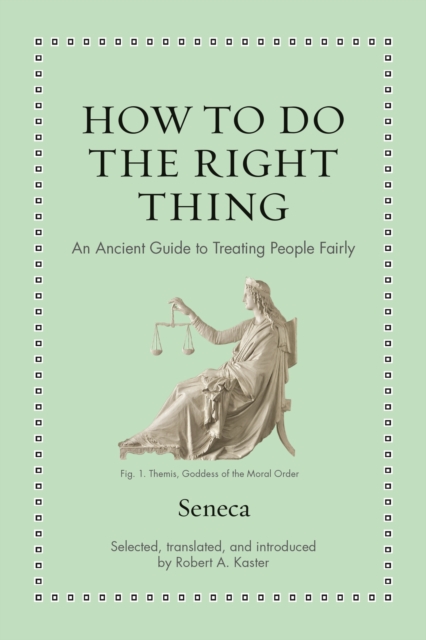
How ancient Stoicism can help teach us to treat othersand ourselvesmore fairly and mercifully There are times when we've all felt that we haven't been treated as we deservethat we've been misjudged, shortchanged, or given a raw deal.
A philosopher's personal meditation on how painful emotions can reveal truths about what it means to be truly humanUnder the light of ancient Western philosophies, our darker moods like grief, anguish, and depression can seem irrational.