Iteraciones Los seis ensayos que componen este libro transitan en los márgenes del sentido de la búsqueda científica y en lo impredecible en los procesos de experimentación.
Bergson deutet die gesamte Wirklichkeit aus der metaphysischen Einheit des Lebens und entwirft auf dieser Grundlage eine neue intuitive Erkenntnistheorie, Psychologie, Naturphilosophie, Ethikund Religionsphilosophie.
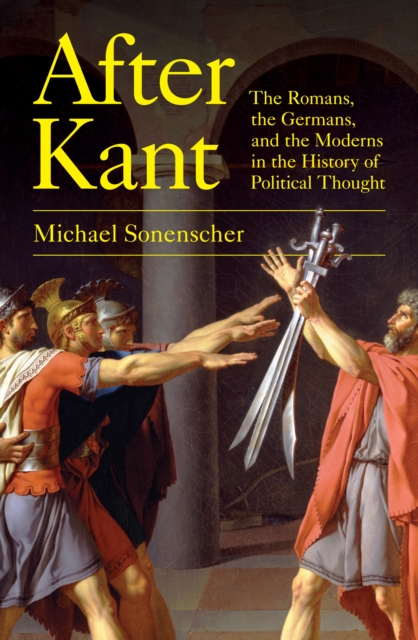
Tracing the origins of modern political thought through three sets of arguments over history, morality, and freedomIn this wide-ranging work, Michael Sonenscher traces the origins of modern political thought and ideologies to a question, raised by Immanuel Kant, about what is involved in comparing individual human lives to the whole of human history.
In begriffsgeschichtlichen Exkursen zum sozialen und politischen Machtbegriff heißt es häufig, dass dieser seinen 'Vorläufer' in dem Begriff der dynamis von Aristoteles habe.
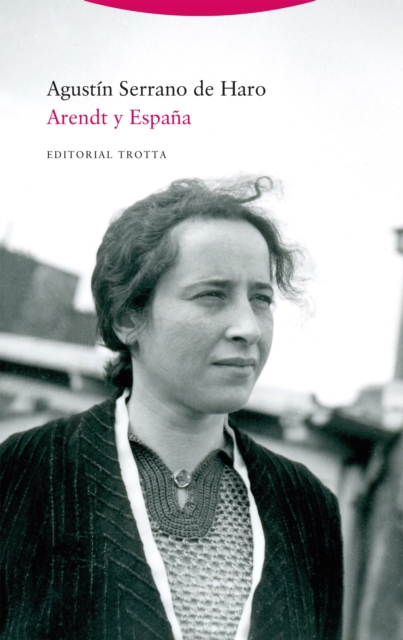
La vida de Hannah Arendt ha sido repetidamente biografiada y llevada a la ficción, pero el episodio de su viaje de tránsito por la España de Franco en 1941 había quedado fuera del foco del interés y fiado a un imaginario tren Portbou-Lisboa, que en efecto nunca existió.
Las mujeres siempre hemos sido molestas para las sociedades tradicionales, en la vida pública, en la cultura, incluso en la familia, una misoginia ancestral nos acompaña, de forma más sibilina en la actualidad por nuestra actitud persistente de seguir reclamando nuestros derechos, de hacernos visibles.
El año 2019 le brindó a la Universidad Católica de Santa Fe la oportunidad de hospedar a los adherentes al Personalismo como así también a todo universitario interesado en hacer de la Persona el centro significante de sus actos habituales.
La pandemia provocada por el Covid-19 nos ha enfrentado con la realidad del sufrimiento y de la muerte de un modo incluso dramático, exigiendo en muchos casos las fuerzas de los profesionales de la salud hasta el extremo.
Por el vasto, vastísimo alcance de los pensamientos formulados por Heidegger en este texto crucial de la Modernidad radical (Moderne), aparecido en la estela de la Segunda Guerra Mundial; por la fuerza con que ahonda en su visión de una historia que no es sino la de la metafísica y en la necesidad de preparar un nuevo comienzo para el pensar, atento menos a la literatura que al "cuidado de la letra"; por la tajante claridad con que señala los límites del existencialismo francés (Sartre) y la vanidad de toda ética pretendidamente autárquica; y no en último lugar, por la concentración ejemplar con que el autor conduce de principio a cabo su discurso; por todas estas razones, la "Carta sobre el Humanismo" merece ser leída con la atenta solicitud que reclama un diálogo platónico y a la vez con la circunspección y la delicadeza con que debemos acercarnos a un texto poético.
Why human nature is an aesthetic phenomenon-and why we need art and philosophy to understand ourselvesIn The Entanglement, philosopher Alva Noe explores the inseparability of life, art, and philosophy, arguing that we have greatly underestimated what this entangled reality means for understanding human nature.
Este libro es resultado de un fructífero encuentro de miradas sobre la democracia y el escenario político en Europa y América Latina que reúne a estudiosos italianos y argentinos que han mantenido encuentros académicos en Roma (2014) y Buenos Aires (2015) para debatir acerca de estos temas.
Der erste Band der »Philosophischen Schriften« enthält die Kategorien, die Einführung in die Kategorien (Isagoge) von Porphyrios, die Hermeneutik (De interpretatione), die Erste Analytik und die Zweite Analytik und damit, zusammen mit der Topik und den Sophistischen Widerlegungen (Band 2), die Grundkonzepte der Aristotelischen Logik und Wissenschaftstheorie.
Actualmente, el medio-ambiente, el medio-cultural o las new media abarcan nuevas cuestiones y nuevos desafíos a la humanidad, especialmente en el ámbito de un Occidente moribundo y de sus antiguas colonias.
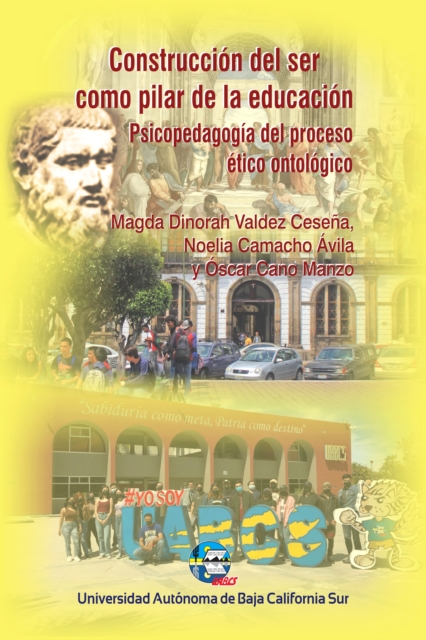
La obra escrita por Óscar Cano Mancio, Noelia Camacho Ávila y Magda Dinorah Valdez Ceseña es muy ambiciosa, ellos mismos lo reconocen al comienzo de la introducción: "nos hemos comprometido con una utopía".
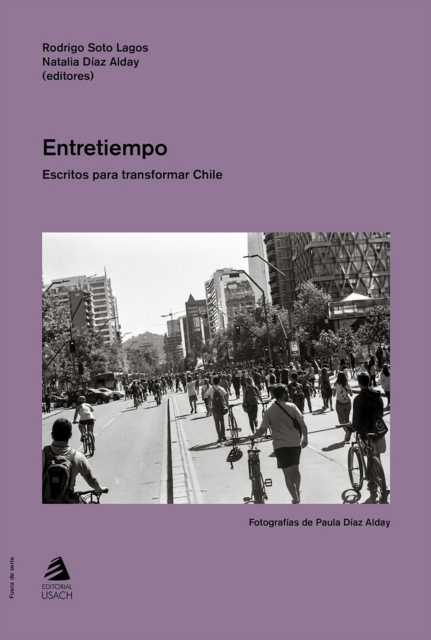
El 18 de octubre de 2019 nos hizo despertar y revivir varias experiencias, entre ellas evaluar y generar una serie de cambios tácticos y estratégicos dirigidos a la construcción de un país mejor.
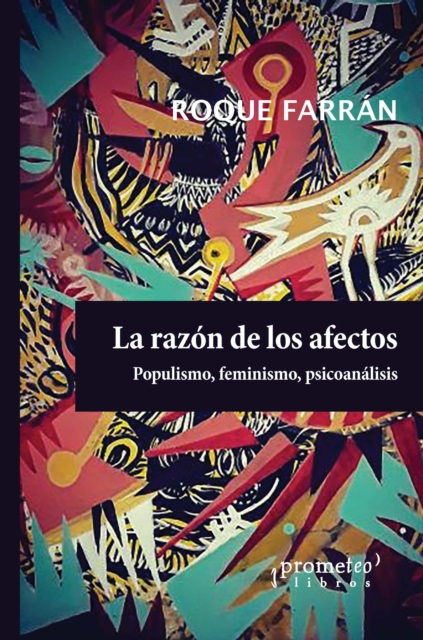
La filosofía no ha dejado de plantearse, fundamentalmente desde el siglo XX, el problema de cómo pensar la irrupción de la novedad, la posibilidad de crear o de inventar una nueva forma de pensamiento.
Das GlücksschmiedeKIDS-Entdeckerbuch beinhaltet zahlreiche Übungen und Hintergrundinformationen zur Förderung der Widerstandskraft in stürmischen Zeiten, basierend auf dem von der ZPP (Zentrale Prüfstelle für Prävention) zertifizierten Präventionsprogramm "GlücksschmiedeKIDS".
Un trívium para Vicente Huidobro es un proyecto estético político… a partir de la novela-film Cagliostro, Miguel Ruiz Stull abordará el exceso de escritura, por ende, exceso de muerte que retiene exceso de vida en la obra de Vicente Huidobro.
La interrogación sobre el "sujeto" es, al mismo tiempo, un ejercicio crítico de desmontaje de una categoría que está atravesada por un sustrato ontológico-político, por una teleología, y una reflexión sobre las condiciones históricoconceptuales particulares que dieron origen a sus diversas concepciones.
No se trata solo de abandonar las grandes palabras y sus ilusiones significativas (Revolución, Historia, Humanismo), siempre se ha tratado de otra cosa: pensar en movimientos imprevistos, entre diversos dispositivos, teóricos y prácticos, trazando diagonales, operando desplazamientos, cambios de terreno, redefiniciones de problemáticas, etcétera.
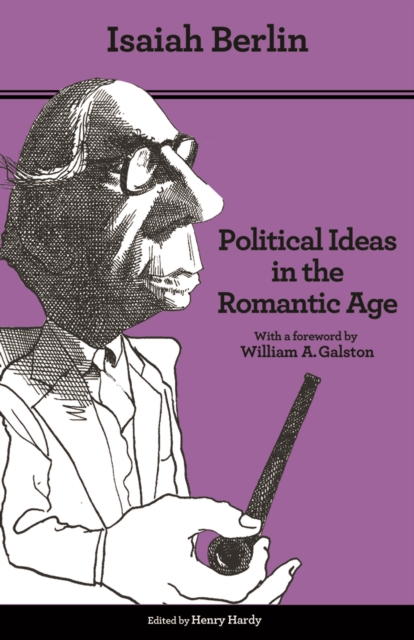
This new edition features the previously unpublished delivery text of Berlin's inaugural lecture as a professor at Oxford, which derives from this volume and stands as the briefest and most pithy version of his famous essay "e;Two Concepts of Liberty.
This seminal text in the history of moral philosophy elaborates the basic themes of Kant's moral theory, gives the most complete statement of his highly original theory of freedom of the will, and develops his practical metaphysics.
Thought by many to be the quintessential philosopher of the modern age, John Locke's ideas are the key to understanding society and politics in the West.
The author sets before the reader a lifelike picture of the deities of classical times as they were conceived and worshipped by the ancients themselves, and thereby to awaken in the minds of young students a desire to become more intimately acquainted with the noble productions of classical antiquity.