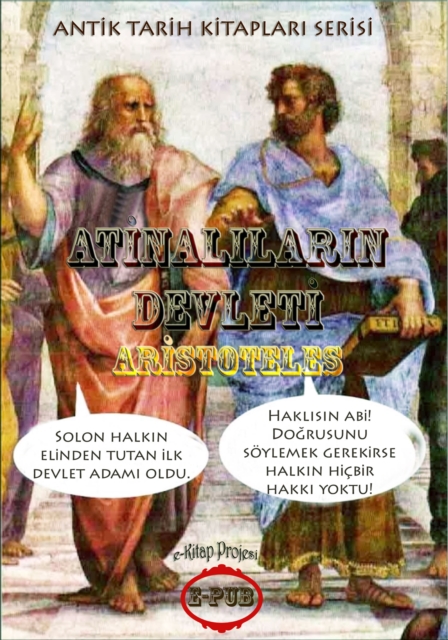
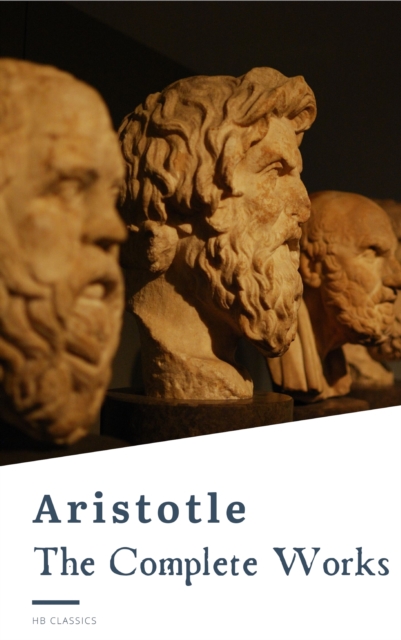
Unlu Yunan filozofu Aristoteles'in yok oldugu sanilan "e;Atinalilarin Devleti"e; adli yazisi, Misir'dan Londra'daki British Museum'a getirilmis olan bir papirus elyazmasinin ortaya cikartilmasiyla 1891 yili Subat ayinda yeniden tanindi.
Este libro nace del interés de las instituciones académicas latinoamericanas y europeas agrupadas en el Colectivo Iberoamericano de Bioética y Cine (CIBC) en contribuir a la búsqueda de sentido en medio del absurdo que representa la perseverancia de la vida durante la pandemia de COVID-19.
Die Superreichen stehen unter heftigem Beschuss: Sie plündern die Welt und mästen sich an fremder Arbeit, verspielen unsere Zukunft und zerstören den gesellschaftlichen Zusammenhalt.
Die Superreichen stehen unter heftigem Beschuss: Sie plündern die Welt und mästen sich an fremder Arbeit, verspielen unsere Zukunft und zerstören den gesellschaftlichen Zusammenhalt.
'Beautiful, moving, profoundly imaginative in itself - this book is as entertaining as it is relevant and practical' ALAIN DE BOTTON'Anyone who has an imagination - that is, everyone - should read this book' EDWARD ENNINFUL'An extraordinary book - an elaborate cabinet of curiosities' SPECTATORFor some, the imagination is a luxury in the modern age; something which is by turns elusive, difficult to employ and better left to others.
How ancient Stoicism can help teach us to treat othersand ourselvesmore fairly and mercifully There are times when we've all felt that we haven't been treated as we deservethat we've been misjudged, shortchanged, or given a raw deal.
Dans la preface de "Le Gai Savoir" Nietzsche contextualise son projet: de ses provenances toutes de soupçons et de souffrances morales, faisant explicitement référence à une certaine appréhension de la psychologie en tant que libératrice des affres de la maladie, à l'antiquité grecque qu'il affectionne particulièrement pour ce que les Grecs anciens auraient été, de son avis philologique, " superficiels.
Neue Übersetzung ins Deutsche:Discours de la Méthode Pour bien conduire sa raison, et chercher la vérité dans les sciences - hier in neuer Übersetzung ins Deutsche - ist eine philosophische und autobiografische Abhandlung, die 1637 von René Descartes veröffentlicht wurde.
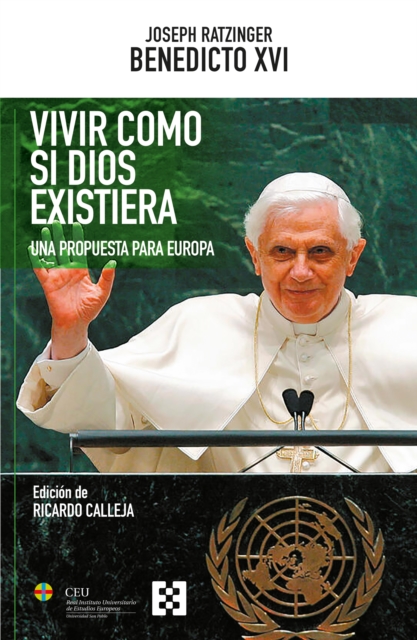
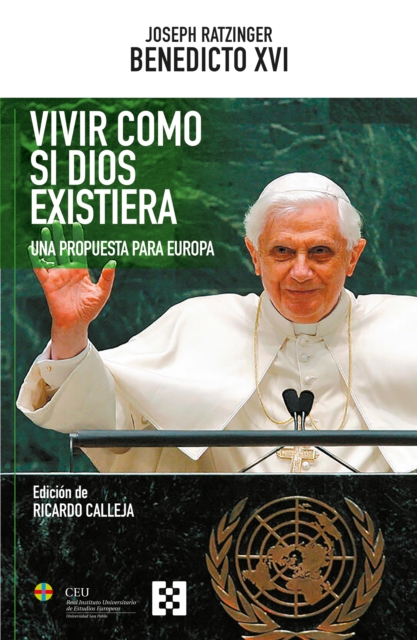
«Este libro reúne textos de Joseph Ratzinger/Benedicto XVI en torno a un hilo conductor: su gran apuesta —a los creyentes y a los no creyentes— de vivir y organizar nuestra convivencia 'como si Dios existiera'.
En Por mano propia, Diana Cohen Agrest analiza el lugar que las prácticas suicidas han adquirido en el imaginario social y se pregunta acerca del sentido de la vida humana y sobre el derecho para autodeterminar el fin de la propia existencia.
Este libro surge de una presunta paradoja: cómo pensar desde el posfundacionalismo aquella institución –el Estado– que funciona como fundamento político par excellence en la modernidad.
La teoría de la democracia fue, y en gran medida sigue siendo, una teoría que refleja implícitamente la historia y las condiciones sociales de los países donde ha logrado mas viejas y sólidas raíces, básicamente los países de capitalismo avanzado del cuadrante Noroeste del mundo.
«Cuando un pueblo entiende que a veces la ley no es la ley, sino un instrumento arbitrario del poder, ha realizado una operación subjetiva y política de primer orden».
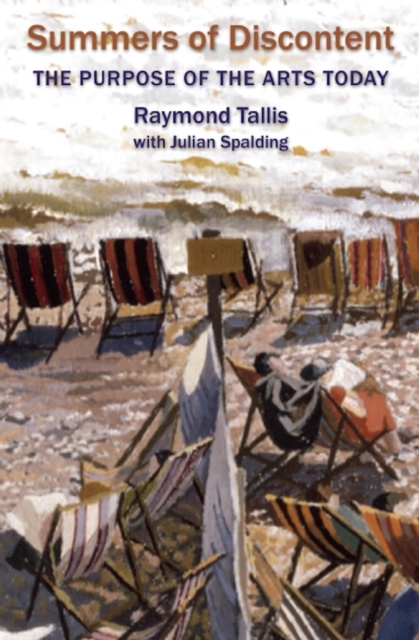
Since the time of the ancient Greeks, philosophers have pondered the nature and purpose of the arts, but artists have gone on making them and audiences enjoying them regardless of these musings.
Der Band enthält eine Auswahl von László Moholy-Nagys Schriften zum FilmAus dem Inhalt:1 «Produktion-Reproduktion» (1922)2 «Dynamik der Großstadt» (1924/25)3 «Das Simultan- oder Polykino» (1925)4 [Auszüge aus:] Die Bühne im Bauhaus (1925)5 «Das Kinoplakat» (1925)6 «Film im Bauhaus.
Dieser Essay stellt sich den grundlegendsten Fragen der Philosophie: der Frage nach dem Ursprung des Seins überhaupt, vor allem aber der Frage nach der Entstehung des Endlichen, weshalb wir dieses für unsere »Natur« halten und wie wir diesen Glauben aufbrechen können.
The revered Bible scholar and author of The Historical Jesus explores the Christian culture warsthe debates over church and statefrom a biblical perspective, exploring the earliest tensions evident in the New Testament, and offering a way forward for Christians today.
Aristotle's essential guide to human flourishing-the Nicomachean Ethics-in a lively new abridged translationAristotle's Nicomachean Ethics is one of the greatest guides to human flourishing ever written, but its length and style have left many readers languishing.
Las transformaciones en los sistemas y hábitos de consumo y de producción, los cambios en los medios de comunicación y de transporte masivos, la innovación tecnológica en el ámbito tanto de la medicina como militar, las consecuencias en la modificación del ecosistema terrestre, así como el acceso cada vez más amplio a la información y a modos de pensamiento que erosionan toda forma de tradición y localismo constituyen un fenómeno complejo que desafía nuestro modo de entender el mundo contemporáneo al mismo tiempo que la necesidad de teoría se vuelve cada vez más una cuestión de supervivencia.
Este libro presenta un estudio sobre una serie de experiencias generadas por grupos que autogestionan espacios: clubes y centros culturales; relacionando el arte con el territorio.
América Latina ha avanzado de modo importante (aunque con regresiones e insuficiencias) en la construcción de la ciudadanía política, sin embargo en otras esferas (cultural, civil y social) aún se está lejos del afianzamiento de derechos ciudadanos efectivos.
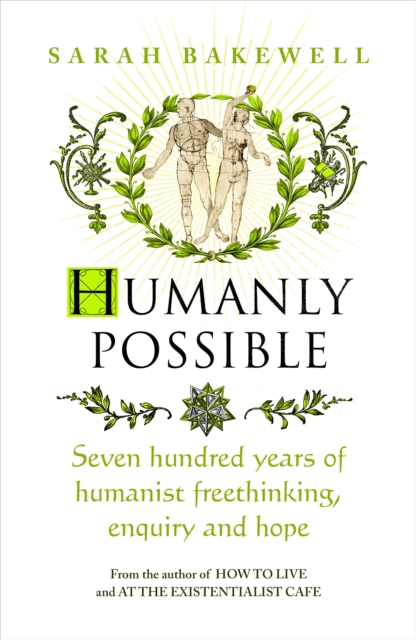
THE NEW YORK TIMES BESTSELLER***AS READ ON RADIO 4***The bestselling, prizewinning author of How to Live and At the Existentialist Caf explores 700 years of writers, thinkers, scientists and artists, all trying to understand what it means to be truly human.
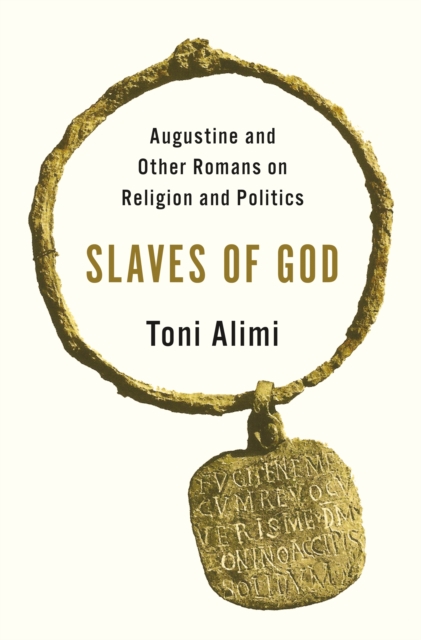
A provocative look at the central role of slavery in Augustine's religious, ethical, and political thoughtAugustine believed that slavery is permissible, but to understand why, we must situate him in his late antique Roman intellectual context.
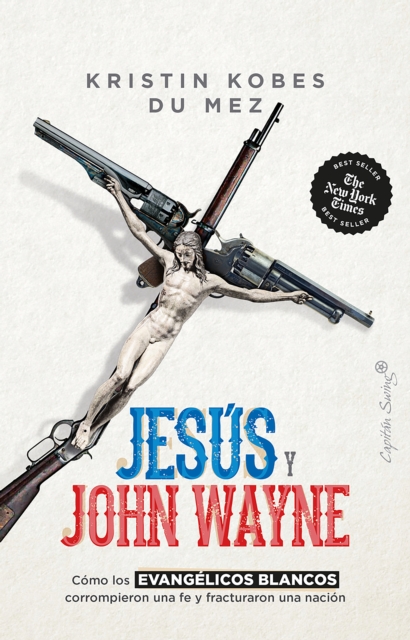
'Jesús y John Wayne' es una amplia historia revisionista de los últimos setenta y cinco años del evangelismo blanco que revela cómo los evangélicos han trabajado para sustituir al Jesús de los Evangelios por un ídolo de la masculinidad ruda y el nacionalismo cristiano, o en palabras de un capellán moderno, por "un malote espiritual".
«Este libro reúne textos de Joseph Ratzinger/Benedicto XVI en torno a un hilo conductor: su gran apuesta —a los creyentes y a los no creyentes— de vivir y organizar nuestra convivencia 'como si Dios existiera'.
The Social Contract, originally published as On the Social Contract; or, Principles of Political Rights, is a book in which Rousseau theorized about the best way to establish a political community in the face of the problems of commercial society, which he had already identified in his Discourse on Inequality (1754).
Una ecología de los signos recoge siete ensayos dedicados a interrogar las relaciones entre las configuraciones de los modos de experiencia (artística, vital, corporal) y los modos en los que podemos captar su diferenciación y sus declinaciones.