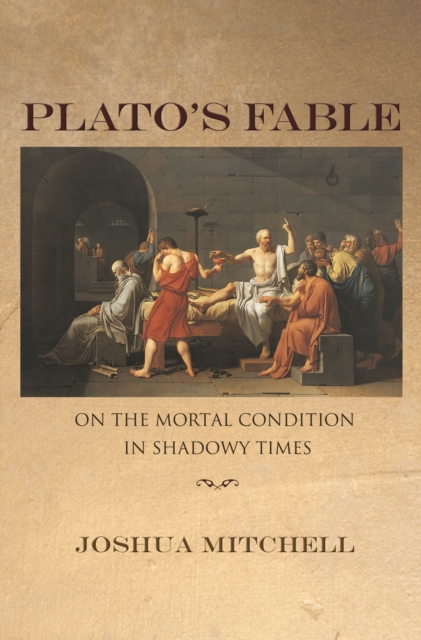
A Japanese woman living in California attempts parent-child suicide, an ancient Japanese custom called "e;oyako-shinju,"e; in order to rid herself of shame upon learning that her husband has a mistress.
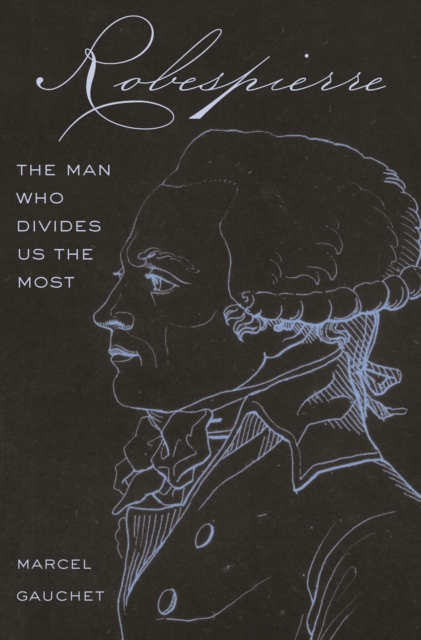
How Robespierre's career and legacy embody the dangerous contradictions of democracyMaximilien Robespierre (1758-1794) is arguably the most controversial and contradictory figure of the French Revolution, inspiring passionate debate like no other protagonist of those dramatic and violent events.
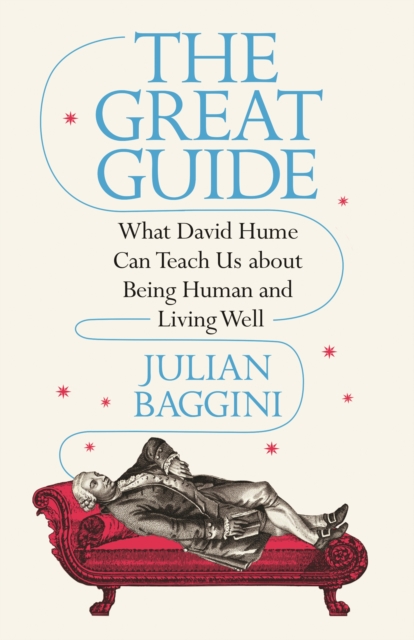
Invaluable wisdom on living a good life from one of the Enlightenment's greatest philosophersDavid Hume (1711-1776) is perhaps best known for his ideas about cause and effect and his criticisms of religion, but he is rarely thought of as a philosopher with practical wisdom to offer.
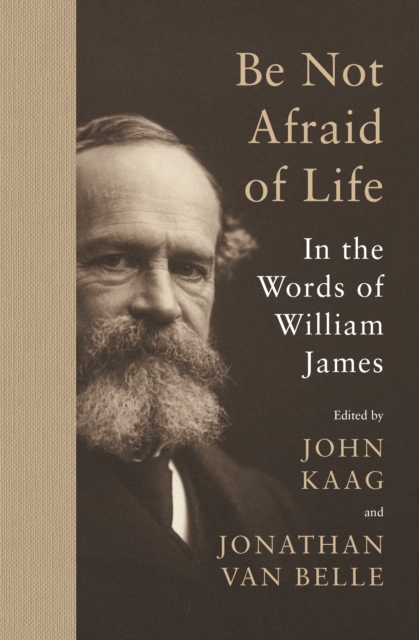
A compelling collection of the life-changing writings of William JamesWilliam James-psychologist, philosopher, and spiritual seeker-is one of those rare writers who can speak directly and powerfully to anyone about life's meaning and worth, and whose ideas change not only how people think but how they live.
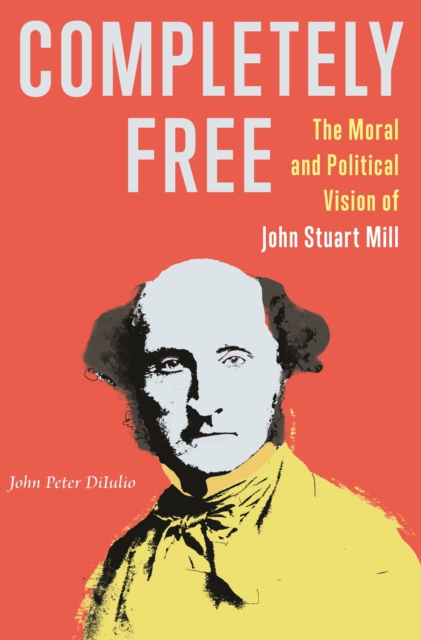
An original, unified reconstruction of Mill's moral and political philosophy-one that finally reveals its consistency and full powerFew thinkers have been as influential as John Stuart Mill, whose philosophy has arguably defined Utilitarian ethics and modern liberalism.
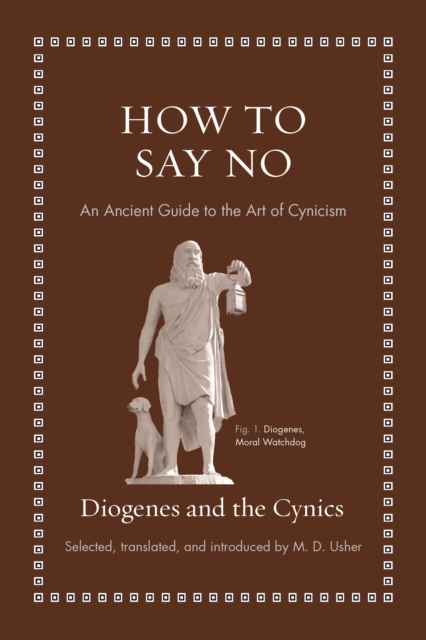
An entertaining and enlightening collection of ancient writings about the philosophers who advocated simple living and rejected unthinking conformityThe Cynics were ancient Greek philosophers who stood athwart the flood of society's material excess, unexamined conventions, and even norms of politeness and thundered "e;No!
This book restores to us an understanding that was once settled in the "e;moral sciences"e;: that there are propositions, in morals and law, which are not only true but which cannot be otherwise.
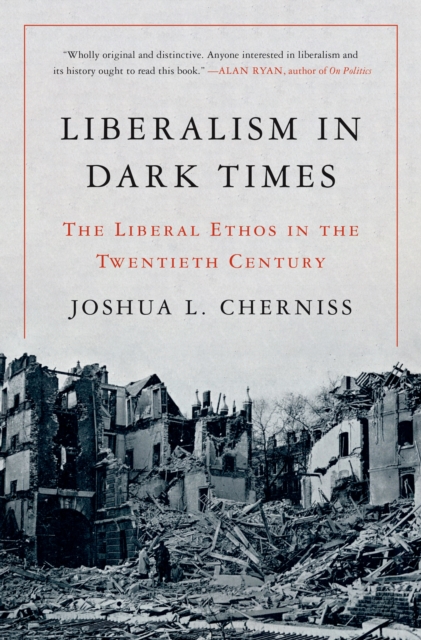
A timely defense of liberalism that draws vital lessons from its greatest midcentury proponentsToday, liberalism faces threats from across the political spectrum.
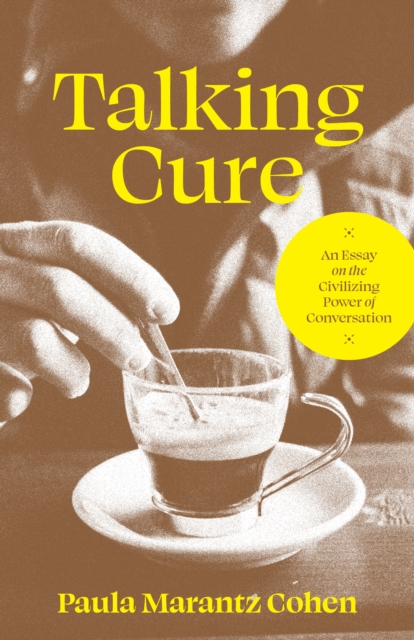
An invigorating exploration of the pleasures and social importance of conversationTalking Cure is a timely and enticing excursion into the art of good conversation.
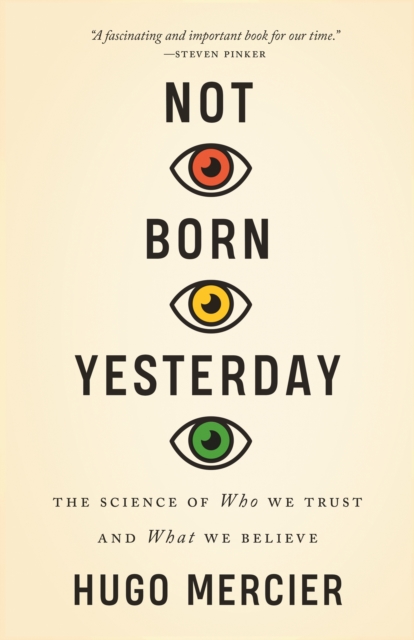
Why people are not as gullible as we thinkNot Born Yesterday explains how we decide who we can trust and what we should believe-and argues that we're pretty good at making these decisions.
The philosophical theory of scientific explanation proposed here involves a radically new treatment of causality that accords with the pervasively statistical character of contemporary science.
Prescient essays about the state of our politics from the philosopher who predicted that a populist demagogue would become president of the United StatesRichard Rorty, one of the most influential intellectuals of recent decades, is perhaps best known today as the philosopher who, almost two decades before the 2016 U.
An eminent philosopher explains why we owe it to future generations to take immediate action on global warmingClimate change is the supreme challenge of our time.
La Humanidad ha tocado a su fin y, con el ascenso de los Póstumos, se ha producido el ingreso del orbe terrestre en el titanismo de una nueva Era signada por la tecnificación telemática universal.
Wall Street Journal BestsellerHave you ever wondered why we spend so much time and energy thinking about the big challenges in our lives when all the evidence proves it's actually the little things that change everything?
Timeless wisdom on generosity and gratitude from the great Stoic philosopher SenecaTo give and receive well may be the most human thing you can do-but it is also the closest you can come to divinity.
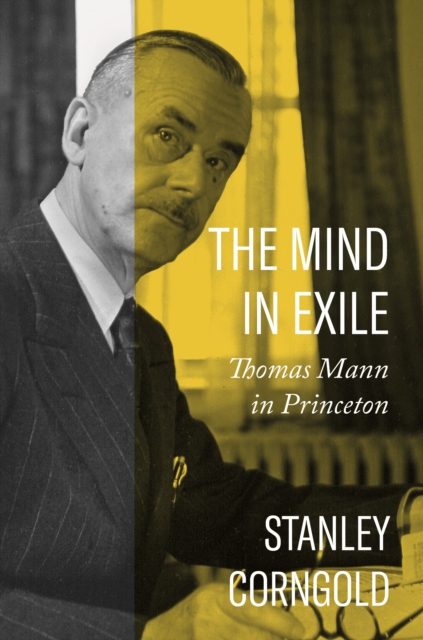
A unique look at Thomas Mann's intellectual and political transformation during the crucial years of his exile in the United StatesIn September 1938, Thomas Mann, the Nobel Prize-winning author of Death in Venice and The Magic Mountain, fled Nazi Germany for the United States.
Controversies about abortion, the environment, pornography, AIDS, and similar issues naturally lead to the question of whether there are any values that can be ultimately justified, or whether values are simply conventional.
A fresh reflection on what makes life meaningfulMost people, including philosophers, tend to classify human motives as falling into one of two categories: the egoistic or the altruistic, the self-interested or the moral.
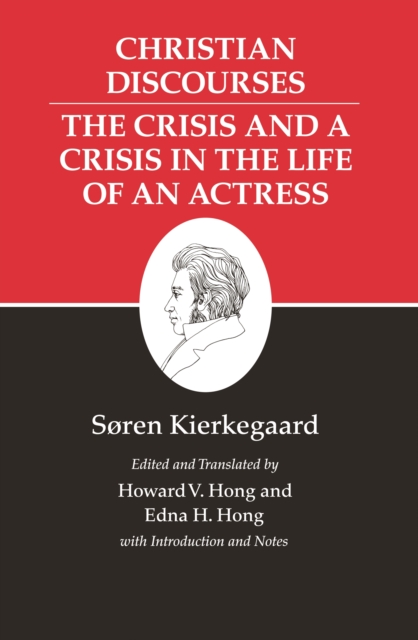
"e;Without authority,"e; a phrase Kierkegaard repeatedly applied to himself and his writings, is an appropriate title for this volume of five short works that in various ways deal with the concept and practice of authority.
Hadley Arkes argues that it is necessary to move "e;beyond the Constitution,"e; to the principles that stood antecedent to the text, if we are to understand the text and apply the Constitution to the cases that arise every day in our law.
In Thinking of Others, Ted Cohen argues that the ability to imagine oneself as another person is an indispensable human capacity--as essential to moral awareness as it is to literary appreciation--and that this talent for identification is the same as the talent for metaphor.
In his praise for Part I of Upbuilding Discourses in Various Spirits, the eminent Kierkegaard scholar Eduard Geismar said, "e;I am of the opinion that nothing of what he has written is to such a degree before the face of God.
Social conventions are those arbitrary rules and norms governing the countless behaviors all of us engage in every day without necessarily thinking about them, from shaking hands when greeting someone to driving on the right side of the road.
A searching examination of the moral limits of political compromiseWhen is political compromise acceptable-and when is it fundamentally rotten, something we should never accept, come what may?
In this book, Scott Soames defends the revolution in philosophy led by Saul Kripke, Hilary Putnam, and David Kaplan against attack from those wishing to revive descriptivism in the philosophy of language, internalism in the philosophy of mind, and conceptualism in the foundations of modality.
Should "e;hate speech"e; be made a criminal offense, or does the First Amendment oblige Americans to permit the use of epithets directed against a person's race, religion, ethnic origin, gender, or sexual preference?
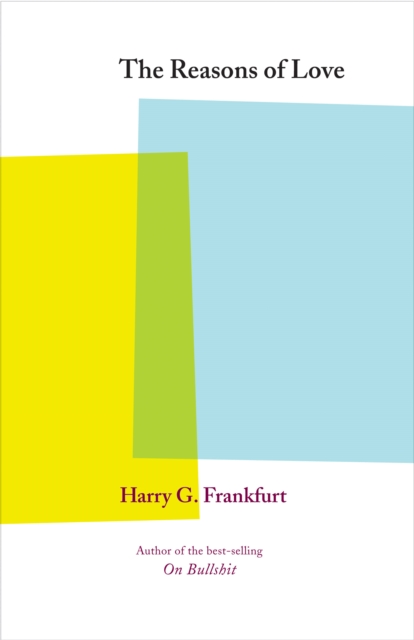
From the author of the #1 New York Times bestseller On Bullshit, a profound meditation on how and why we loveIn The Reasons of Love, leading moral philosopher and bestselling author Harry Frankfurt argues that the key to a fulfilled life is to pursue wholeheartedly what one cares about, that love is the most authoritative form of caring, and that the purest form of love is, in a complicated way, self-love.
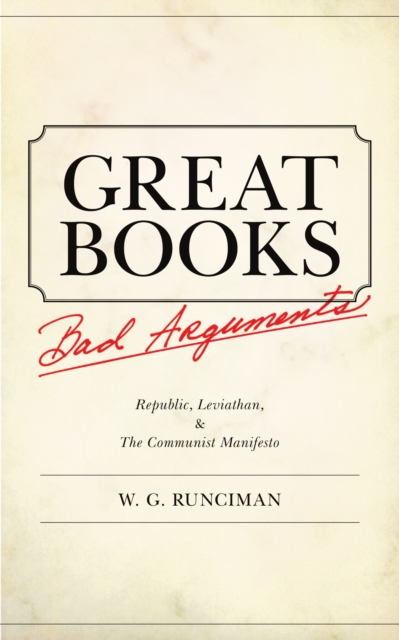
Why Plato, Hobbes, and Marx are great-despite their argumentsPlato's Republic, Hobbes's Leviathan, and Marx's Communist Manifesto are universally acknowledged classics of Western political thought.
A seminal figure in the philosophy of history, culture, and language, Johann Gottfried Herder (1744-1803) also produced some of the most important and original works in the history of aesthetic theory.