In the three major religions of the West, God is understood to be a being whose goodness, knowledge, and power is such that it is impossible for any being, including God himself, to have a greater degree of goodness, knowledge, and power.
An introduction to major themes in 20th century Mexican philosophy, offering an array of fascinating concepts, from recommending cultivating a rival as a source of motivation to reminding us to respect other people on their own terms.
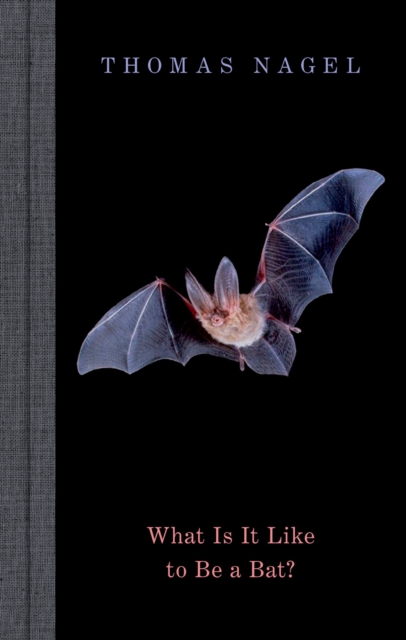
A 50th anniversary edition of one of the most widely influential articles of 20th Century philosophy Consciousness is what makes the mind-body problem really intractable.
A 50th anniversary edition of one of the most widely influential articles of 20th Century philosophy Consciousness is what makes the mind-body problem really intractable.
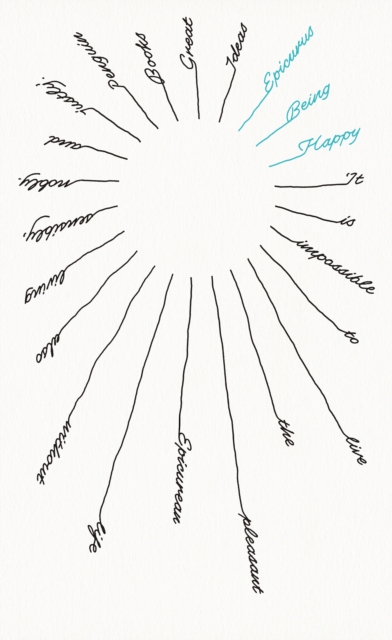
'It is impossible to live the pleasant life without also living sensibly, nobly and justly'The ancient Greek philosopher and teacher Epicurus argued that pleasure - not sensual hedonism, but the absence of pain or fear - is the highest goal of life.
Alfred Gell puts forward a new anthropological theory of visual art, seen as a form of instrumental action: the making of things as a means of influencing the thoughts and actions of others.
An illuminating exploration of the psychology of false belief that lies at the root of science denialism, political polarization, and rampant belief in misinformation and disinformation.
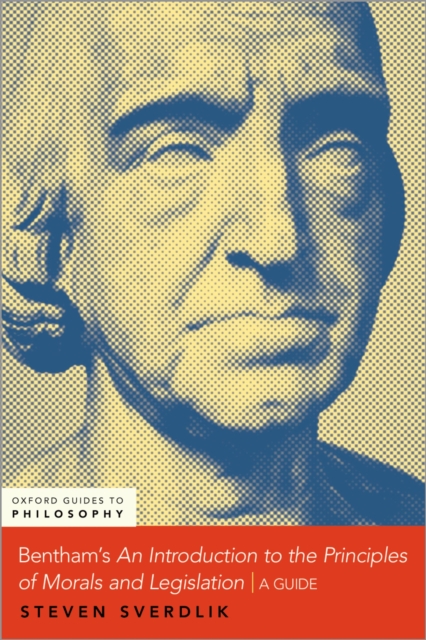
Bentham's An Introduction to the Principles of Morals and Legislation is often considered the first work of the philosophical school of utilitarianism and is thus a vital text for students of philosophy.
Bentham's An Introduction to the Principles of Morals and Legislation is often considered the first work of the philosophical school of utilitarianism and is thus a vital text for students of philosophy.
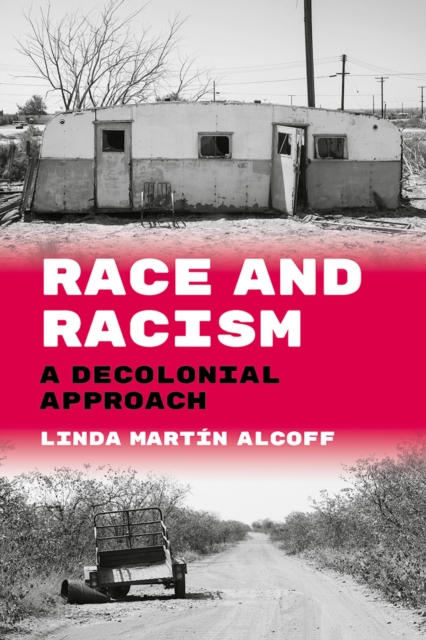
Race and Racism: A Decolonial Approach argues that the topics of race and racism need a decolonial framing if we are to understand their genealogy in the modern world, and explores their current iterations and the path forward.
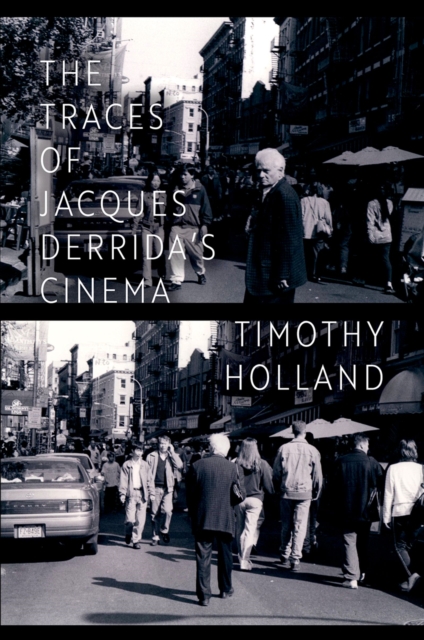
Situated at the intersection of film and media studies, literary theory, and continental philosophy, The Traces of Jacques Derrida's Cinema provides a trenchant account of the role of cinema in the oeuvre of one of the most influential philosophers of the twentieth century, Jacques Derrida (1930-2004).