This book redefines our understanding of information as more than mere data or communication-it presents information as the fundamental fabric of reality itself.
This volume sheds light on underexplored aspects of voluntarism that were extensively debated in the thirteenth- and fourteenth-century philosophy and theology.
Reintroducing Hannah Arendt connects Arendt's philosophical and political thought to social theory and the social sciences in the 21st century, as individuals experience profound social, political, and technological change.
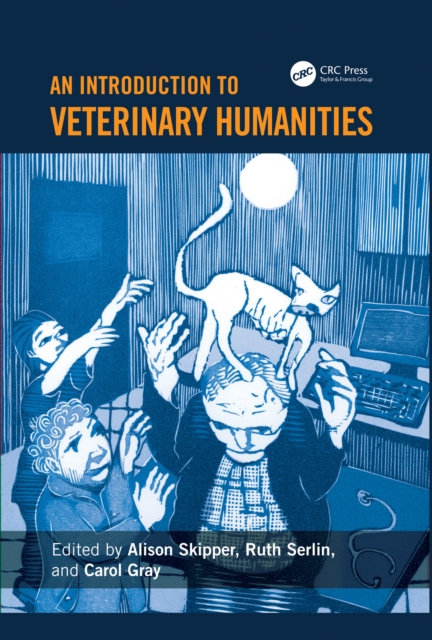
Although veterinary professionals can now provide technologically sophisticated medical care for animals, every day they ask themselves questions that lie outside the realm of science.
Fully updated, the seventh edition of International Human Rights examines the ways in which states and other international actors have addressed human rights since the end of World War II.
Environmental Ethics and Film presents and defends a systematic and comprehensive account of the moral relation between human beings and their natural environment and assumes that human behaviour toward the natural world can and is governed by moral norms.
Fully updated, the seventh edition of International Human Rights examines the ways in which states and other international actors have addressed human rights since the end of World War II.
This volume sheds light on underexplored aspects of voluntarism that were extensively debated in the thirteenth- and fourteenth-century philosophy and theology.
A timeless collection of stoic wisdom, Dialogues brings together a series of philosophical conversations and essays from one of ancient Rome's greatest thinkers.
Drawn from lectures delivered by the Scottish philosopher James Frederick Ferrier, this collection critiques the foundations of Greek philosophy through historical scholarship.
This book explores what it means to live an emotionally engaged and morally responsive life in a world increasingly governed by productivity, fragmentation, and emotional detachment.
Environmental Ethics and Film presents and defends a systematic and comprehensive account of the moral relation between human beings and their natural environment and assumes that human behaviour toward the natural world can and is governed by moral norms.
Drawing on Sartres writings, interviews, and conversations throughout his life, this work is a critical examination of his views on antisemites and Jews set against the backdrop of existentialism, Marxism, and his own sexuality.
Starting from the dominant perspective of historical sociology, this book looks into the future instead and asks vital questions about the futures we face at the societal and global levels.
Starting from the dominant perspective of historical sociology, this book looks into the future instead and asks vital questions about the futures we face at the societal and global levels.
This book provides a historical overview of philosophical debates about the distinction between science and pseudo-science, and a demonstration of how the Western Marxist tradition's notion of the critique of ideology can elucidate this distinction.
This book provides a historical overview of philosophical debates about the distinction between science and pseudo-science, and a demonstration of how the Western Marxist tradition's notion of the critique of ideology can elucidate this distinction.
This book presents not only many of Daryl Koehn’s historically well-known papers analyzing business ethics using Western and Asian virtue ethics, but also some of her more recent, previously unpublished work on the ethics and politics of the corporate form.
Die Asthetik im Spannungsfeld zwischen systematischer Stringenz und Geschichtlichkeit ist innerhalb der internationalen Hegel-Forschung zu einem beherrschenden Thema geworden.
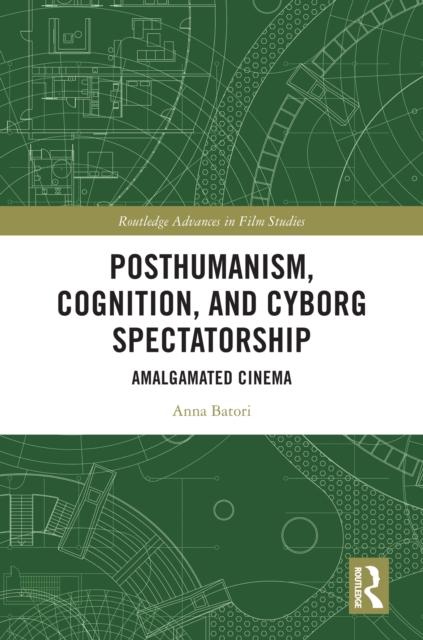
This book argues that contemporary digital blockbusters function as laboratories for posthuman cognition that transform spectatorship into a cyborg mode in which perception, memory, and agency are distributed across the cinematic canvas, the diegetic bodies of characters, the formal operations of film style, and the embodied cognition of the spectator.