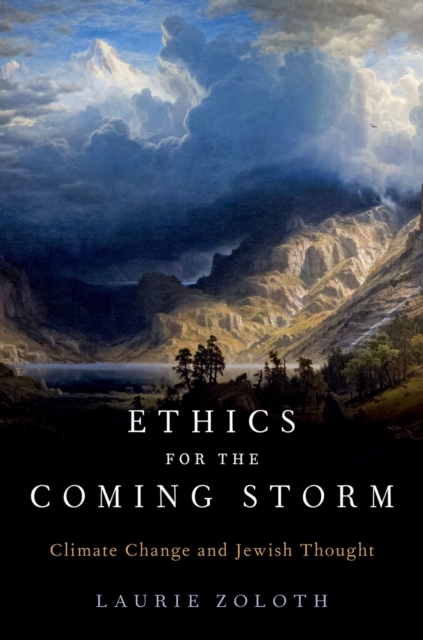
How can we come to understand our existence on this earth, surrounded by air and light and water, while living in a place we deliberately and carelessly abuse, where resources are becoming scarce, and where the well-being and basic health of our neighbors is threatened?
Linda Trinkaus Zagzebski here explains and defends the idea that the God of the monotheistic religions does not only know all objective facts, but he also perfectly grasps the conscious states of all conscious beings from their own point of view.
Linda Trinkaus Zagzebski here explains and defends the idea that the God of the monotheistic religions does not only know all objective facts, but he also perfectly grasps the conscious states of all conscious beings from their own point of view.
There is a kind of knowledge that is non-propositional; one variety of it can be acquired in second-person experience of another person, but it can also be transmitted through narratives.
Recent years have seen the rise of political figures with particularly abrasive, controversial, and aggressive personalities, who seem to take pleasure in introducing an uncivil tone into the political debate.
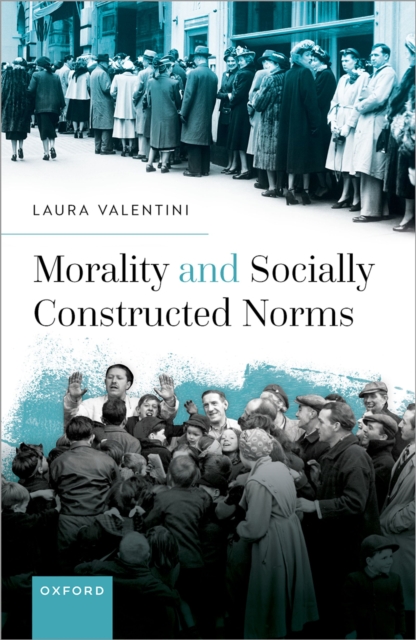
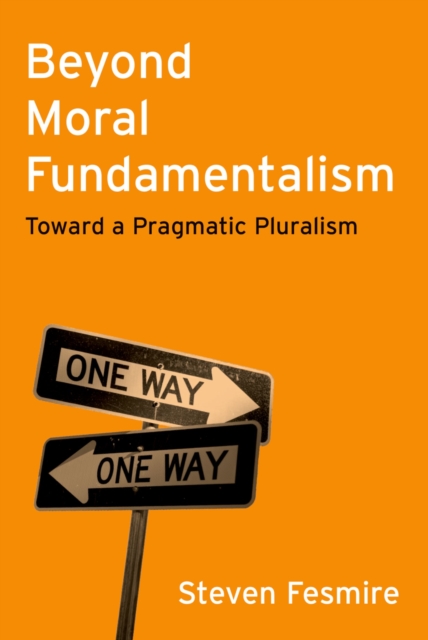
While complex global problems cry out for solutions devised with moral sensitivity and responsibility, a more common mentality tends to prevail, one that assumes those going the right way ("e;us"e;) are endangered by others ("e;them"e;) going the wrong way.
While the heavy social impacts of raging wildfires, punishing storms, and climbing temperatures worldwide have made many increasingly aware of the need for climate justice, the intersection of race and climate change has too often been neglected in the literature and in practice.
While the heavy social impacts of raging wildfires, punishing storms, and climbing temperatures worldwide have made many increasingly aware of the need for climate justice, the intersection of race and climate change has too often been neglected in the literature and in practice.
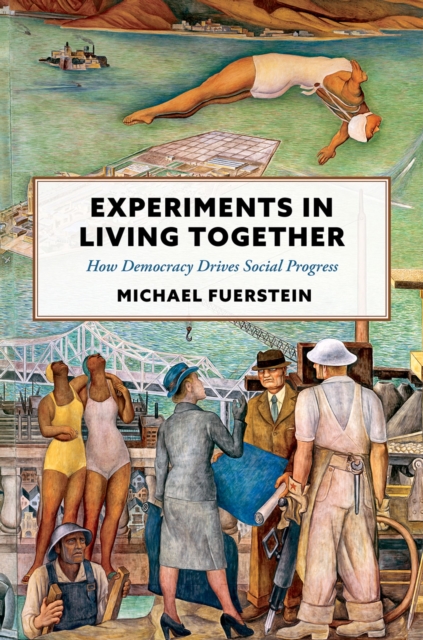
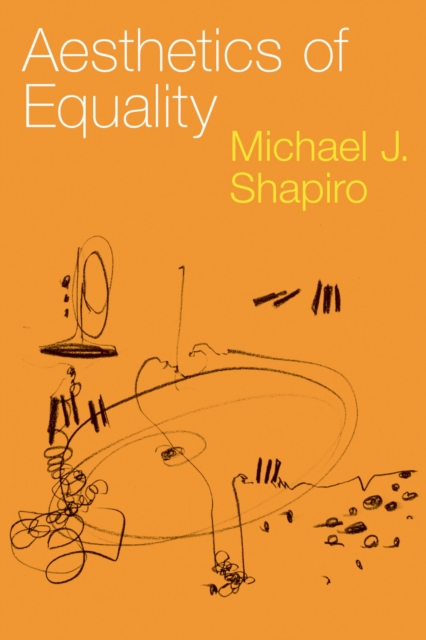
Presuming that the problem of political equality, as it bears on both persons and assemblages, is about being accorded access to the material and symbolic resources needed to manage an effective civic presence, Michael J.
Presuming that the problem of political equality, as it bears on both persons and assemblages, is about being accorded access to the material and symbolic resources needed to manage an effective civic presence, Michael J.
Societies around the world are becoming increasingly multicultural, while the range of new or controversial medical procedures that are available to patients also grows.
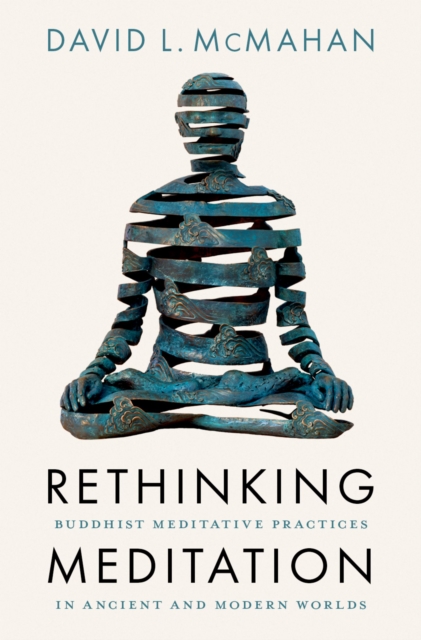
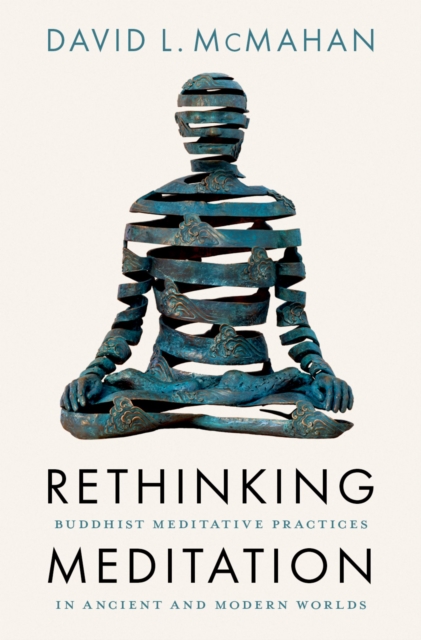
The tantric Buddhist traditions emerged in India beginning in the seventh century CE and flourished there until the demise of Buddhism in India circa the fifteenth century.
Where justice, with its emphasis on individual claim-rights, falls short of justifying our ethical responsibility to care for those suffering from illnesses that do not neatly qualify as unjust, love (agape) provides the missing moral foundation.
Recovering the forgotten discipline of Natural Philosophy for the modern worldThis book argues for the retrieval of 'natural philosophy', a concept that faded into comparative obscurity as individual scientific disciplines became established and institutionalized.
Recent years have seen the rise of political figures with particularly abrasive, controversial, and aggressive personalities, who seem to take pleasure in introducing an uncivil tone into the political debate.
As a prominent figure of the 18th century Enlightenment, Kant advocated faith in reason and in the possibility of human progress through the development of human beings' rational capacities.
The Circle of Blame Anthology of Blame is Roger Lewis's satirical, genre-bending investigation into artificial scarcity, institutional doublespeak, and the hidden beneficiaries of perpetual deadlock.