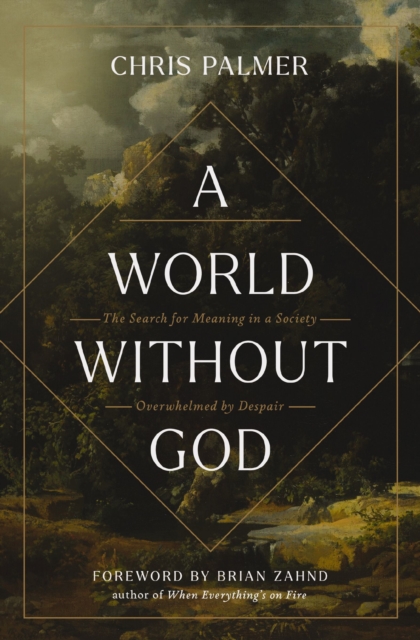
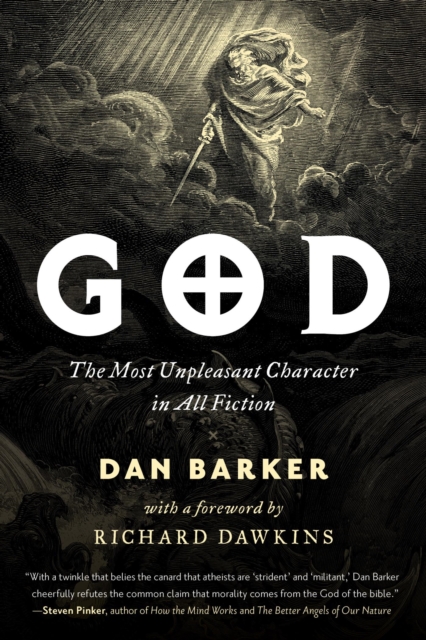
The problem of evil has long perplexed traditional theists: Why do terrible events, such as crimes, wars, and natural disasters, occur in a world believed to be created by an omnipotent and wholly good God?
The problem of evil has long perplexed traditional theists: Why do terrible events, such as crimes, wars, and natural disasters, occur in a world believed to be created by an omnipotent and wholly good God?
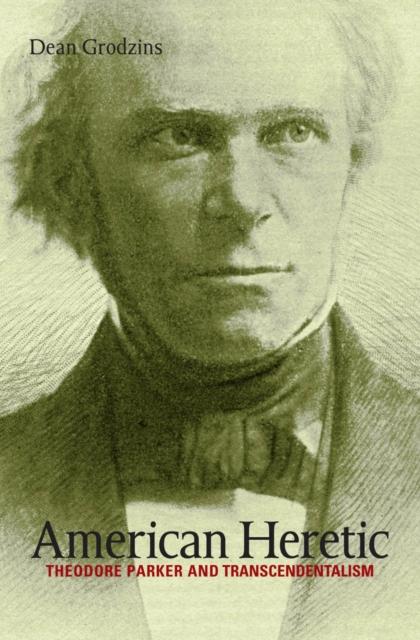
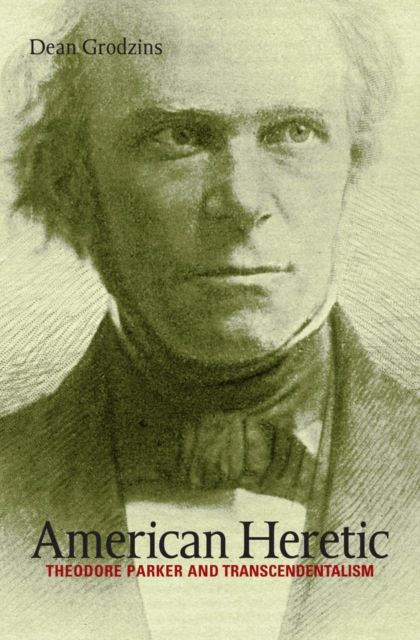
Theodore Parker (18101860) was a powerful preacher who rejected the authority of the Bible and of Jesus, a brilliant scholar who became a popular agitator for the abolition of slavery and for womens rights, and a political theorist who defined democracy as government of all the people, by all the people, for all the people words that inspired Abraham Lincoln.
Originally published in 1845, this concise critique formed the basis of thirty later lectures delivered in 1848 by Ludwig Feuerbach, one of Germany's most influential humanist philosophers.
Written in the tradition of the vastly popular Prometheus title Atheism: The Case Against God and The Atheist Debater's Handbook, this accessible and inviting primer of nonbelief ponders eight of the most-asked questions about atheism.
According to anthropologists, religion arose in the Neolithic period, a time that began 12 thousand years ago when people abandoned the hunter-gatherer lifestyle and started settling down in communities.
According to anthropologists, religion arose in the Neolithic period, a time that began 12 thousand years ago when people abandoned the hunter-gatherer lifestyle and started settling down in communities.
This tale of mind control, the use of fear to manipulate vulnerable people, and final escape from a suffocating cult environment is a revealing exposeof a secretive contemporary sect, as well as a true psychological thriller.
Are the four canonical Gospels actual historical accounts or are they imaginative literature produced by influential literary artists to serve a theological vision?
Are the four canonical Gospels actual historical accounts or are they imaginative literature produced by influential literary artists to serve a theological vision?
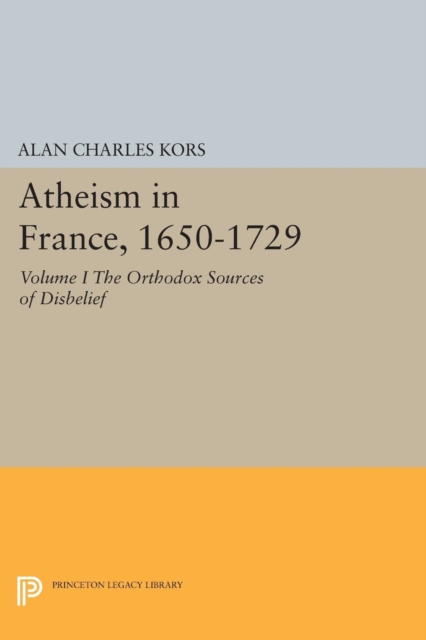
Although most historians have sought the roots of atheism in the history of "e;free thought,"e; Alan Charles Kors contends that attacks on the existence of God were generated above all by the vitality and controversies of orthodox theistic culture itself.
In the eyes of many, "e;spirituality,"e; particularly in its non-religious form, is nothing but a secularized, individualized, or even commodified version of traditional religion.
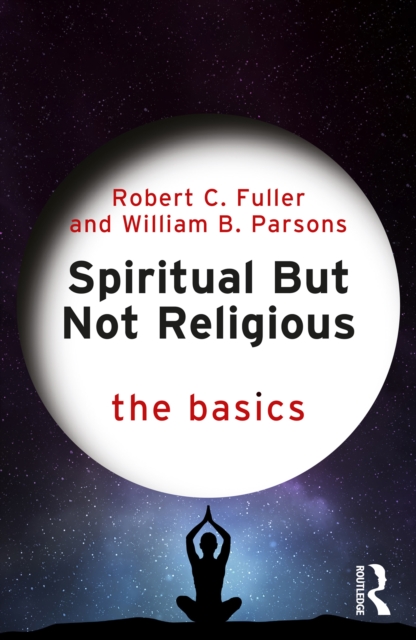
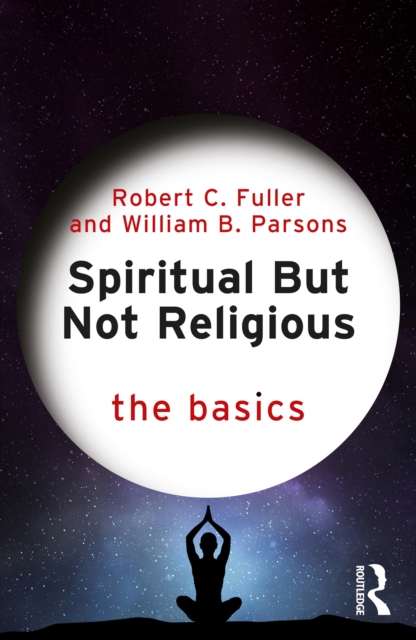
Spiritual But Not Religious: The Basics is an accessible guide to the defining attributes of individuals who define themselves as SBNR, who comprise at least 25% of the American population.
Spiritual But Not Religious: The Basics is an accessible guide to the defining attributes of individuals who define themselves as SBNR, who comprise at least 25% of the American population.
Theodore Parker (18101860) was a powerful preacher who rejected the authority of the Bible and of Jesus, a brilliant scholar who became a popular agitator for the abolition of slavery and for womens rights, and a political theorist who defined democracy as government of all the people, by all the people, for all the people words that inspired Abraham Lincoln.
Theodore Parker (18101860) was a powerful preacher who rejected the authority of the Bible and of Jesus, a brilliant scholar who became a popular agitator for the abolition of slavery and for womens rights, and a political theorist who defined democracy as government of all the people, by all the people, for all the people words that inspired Abraham Lincoln.
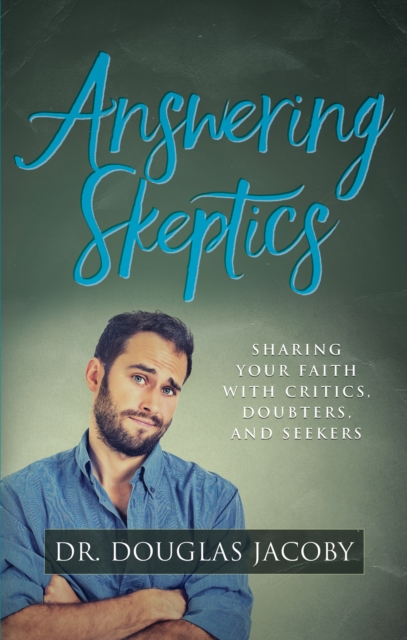
Practical responses to common challenges from skeptics, atheists, and other critics of faith from the author of Compelling Evidence for God and the Bible.
Practical responses to common challenges from skeptics, atheists, and other critics of faith from the author of Compelling Evidence for God and the Bible.