Increasing numbers of professionals in the fields of psychology and therapy are seeking to incorporate elements of spirituality into their therapeutic oeuvre, addressing not only mental and emotional issues, but also the soul.
This anthology consists of fourteen topically arranged essays that explore a form of humanism characterized by epistemic humility, a progressive ethical orientation, as well as a respect for the positive features of religion.
The Mythology of Venus is a collection of essays that summarizes the archaeoastronomy, calendar associations, religious and cultural icons, and myths identified with the planet Venus.
Increasing numbers of professionals in the fields of psychology and therapy are seeking to incorporate elements of spirituality into their therapeutic oeuvre, addressing not only mental and emotional issues, but also the soul.
This collection examines theological and ethical issues of ageing, disability and spirituality, with an emphasis on how ageing affects people who have mental health and developmental disabilities.
Immersing the reader in Daoist philosophy and its impact on life, this new edition of Vital Breath of the Dao by Master Zhongxian Wu is a fully illustrated guide to qigong, a way of physical and spiritual cultivation, and a way of life.
The Roman Formula: The Technology of Persecution is a documentary and analytical investigation into how anti-cult persecution is launched and legalized in the modern world: from the first labels in the media to raids, arrests, and bans.
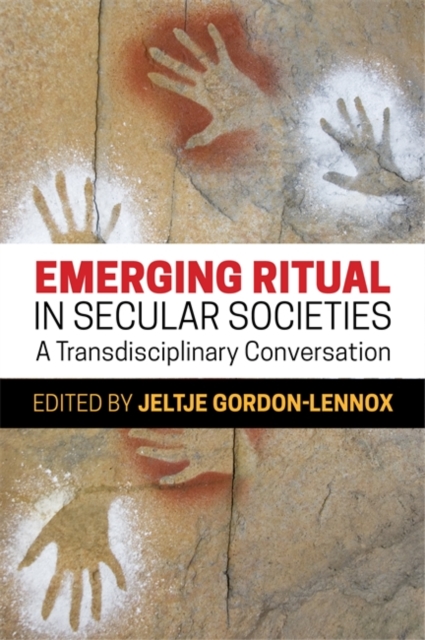
The growing absence of meaningful ritual in contemporary Western societies has led to cohesive research on the history of ritualizing behaviour in different cultures.
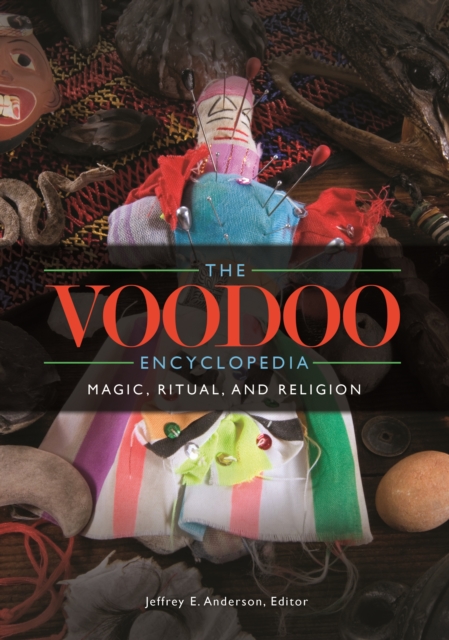
This compelling reference work introduces the religions of Voodoo, a onetime faith of the Mississippi River Valley, and Vodou, a Haitian faith with millions of adherents today.
In Living with Conflict: A Challenge to a Peace Church, Susan Robson explores the discomforts and denials that can arise when an organization committed to doing good suspects that it is not living up to its declared aims.
There Is No God: Atheists in America answers several questions pertaining to how the atheist population has grown from relatively small numbers to have a disproportionately large impact on important issues of our day, such as the separation of church and state, abortion, gay marriage, and public school curricula.
When Race, Religion, and Sport Collide tells the story of Brandon Davies' dismissal from Brigham Young University's NCAA playoff basketball team to illustrate the thorny intersection of religion, race, and sport at BYU and beyond.
As one of the fastest growing Pagan traditions, Feminist Wicca appeals to many through its emphasis on the deep interconnectedness of life and its focus on the woman's religious experience.
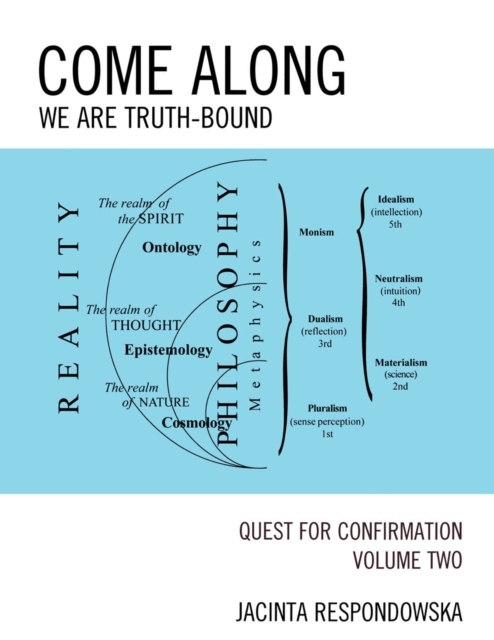
Quest for Confirmation, the second volume of the series Come Along: We Are Truth-Bound, is a cross-examination of the concepts derived in Volume One, A Dialogue and Dialectic: Bridging the Great Epistemic Divides.
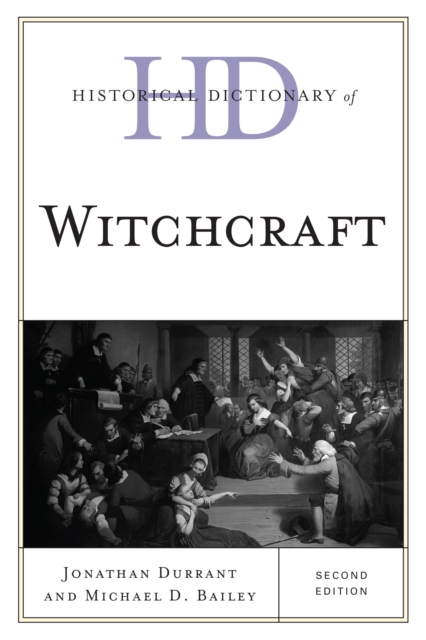
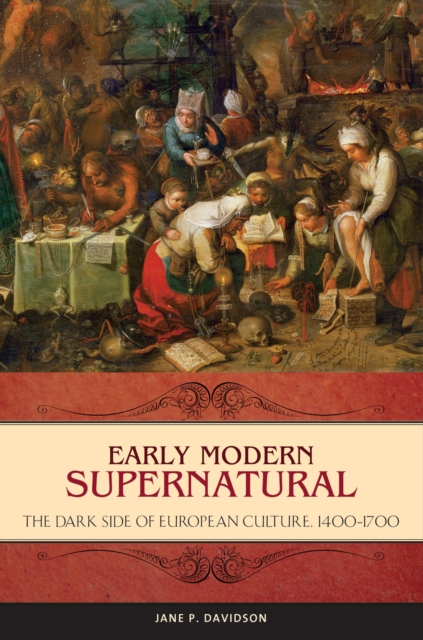
Devils, ghosts, poltergeists, werewolves, and witches are all covered in this book about the "e;dark side"e; of supernatural beliefs in early modern Europe, tapping period literature, folklore, art, and scholarly writings in its investigation.
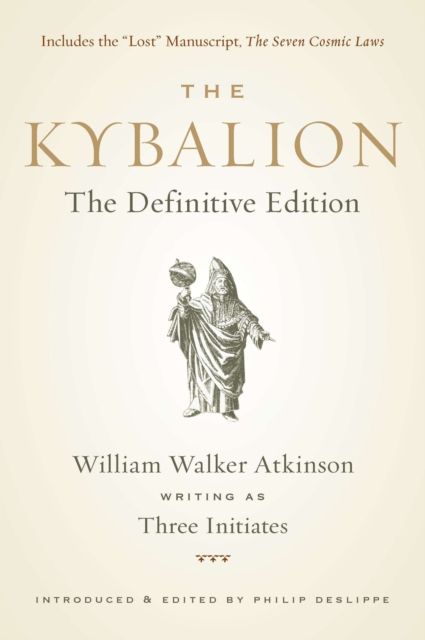
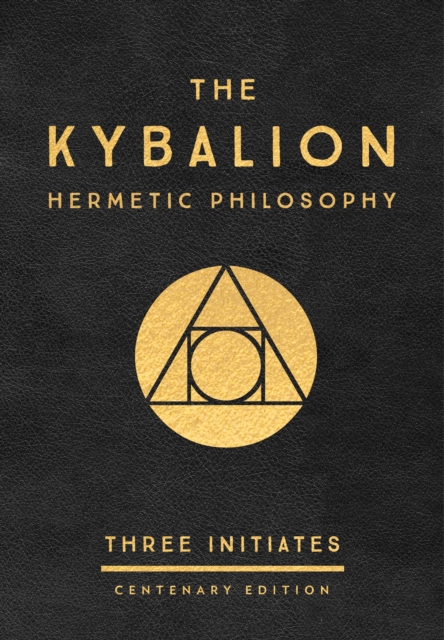
Here is the flagship edition of the most popular occult work of the past century, now published with a groundbreaking historical introduction that establishes its authentic authorship and a "lost" bonus work by the original author.
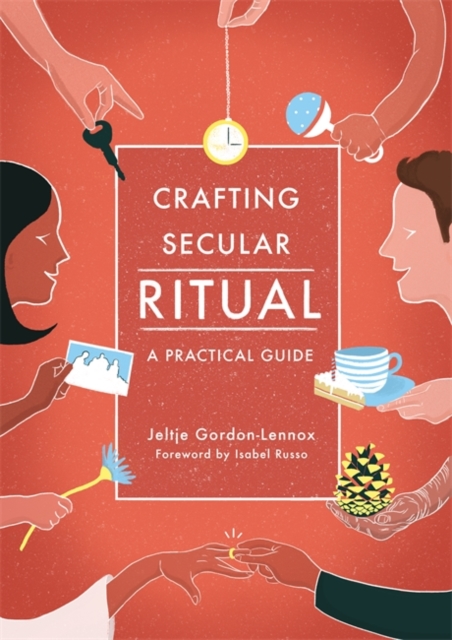
Answering the call for new rituals in our secular age, this book recognises the essential importance of rituals to the psychological, physical and spiritual health of individuals, families, organisations, and society as a whole.
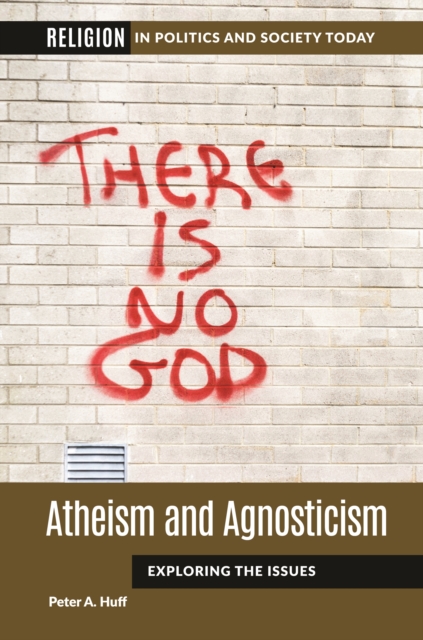
"e;Few are agnostic about atheism and agnosticism; this eloquent, wide-ranging volume should appeal to many, as well as supporting recent academic interest in its subject.
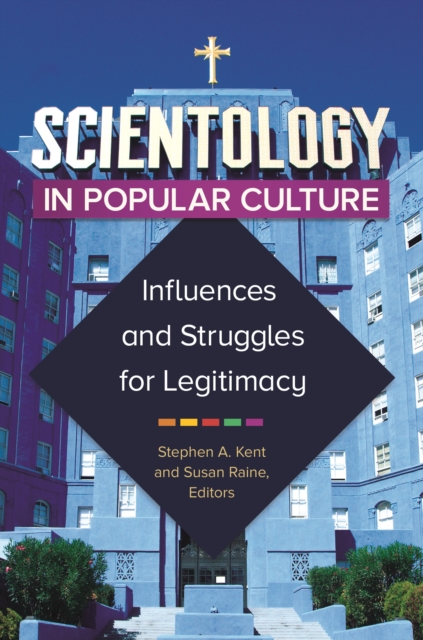
This multidisciplinary study of Scientology examines the organization and the controversies around it through the lens of popular culture, referencing movies, television, print, and the Internet-an unusual perspective that will engage a wide range of readers and researchers.
Following Jesus to Burning Man: Recovering the Church's Vocation places the author, a Pentecostal/evangelical minister, in a thoroughly pagan context in the Nevada desert where he discovered the presence of God in a way that transformed his understanding of ministry in the twenty-first century context.
An Archaeology of Disbelief traces the origin of secular philosophy to pre-Socratic Greek philosophers who proposed a physical universe without supernatural intervention.
Philosophy and the advances in cosmology, neurology, molecular biology, and the social sciences have made the convincing and converging arguments for God's existence more probable than ever in history.
Come Along is an attempt to respond to the contemporary crises in the world with the intention of discovering the path to peace and happiness, which every human heart craves.
Answering the call for new rituals in our secular age, this book recognises the essential importance of rituals to the psychological, physical and spiritual health of individuals, families, organisations, and society as a whole.
The growing absence of meaningful ritual in contemporary Western societies has led to cohesive research on the history of ritualizing behaviour in different cultures.
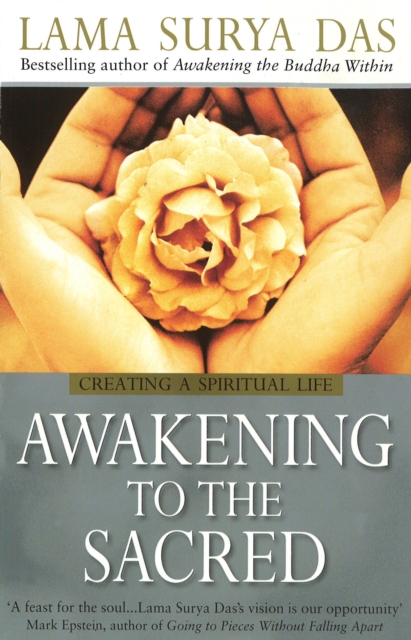
Many of us long to connect with something greater than ourselves to experience the sacred in our daily lives, and to enhance our sense of spiritual enlightenment - yet often we don't know where to begin.
This compelling reference work introduces the religions of Voodoo, a onetime faith of the Mississippi River Valley, and Vodou, a Haitian faith with millions of adherents today.
The most popular occult work of the twentieth century--now in a hardbound edition that evokes the original volume, with a new introduction by scholar of mysticism Richard Smoley.
Quest for Confirmation, the second volume of the series Come Along: We Are Truth-Bound, is a cross-examination of the concepts derived in Volume One, A Dialogue and Dialectic: Bridging the Great Epistemic Divides.