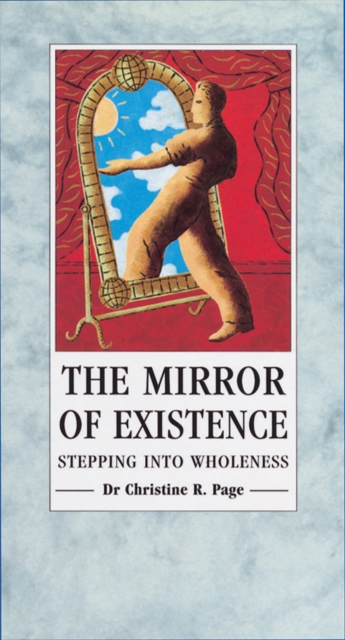
Dr Christine Page invites us to embark on a journey of self-discovery by stepping into the 'Mirror of Existence' where we will find that our own thought processes direct our outer experiences.
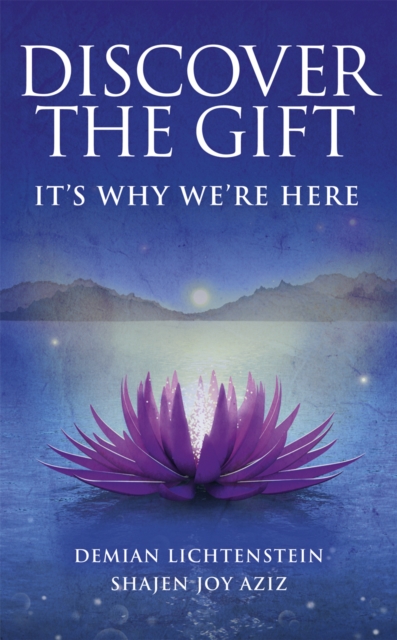
Discover the Gift is the companion book to an upcoming film of the same name which introduces the Gift, a compelling concept that contains the wisdom you need to unlock your fullest potential.
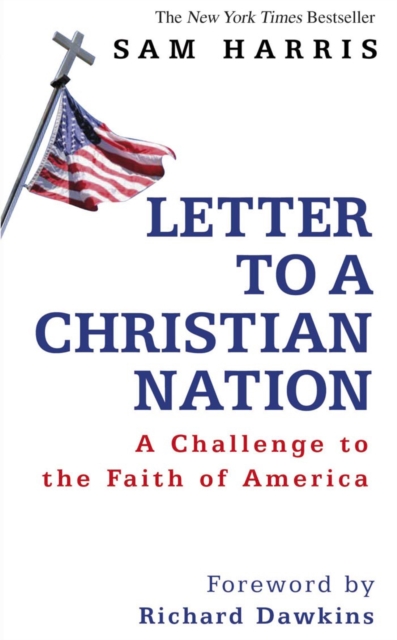
"e;A hard-hitting polemic against religious fundamentalism"e; - Foreword by Richard Dawkins' Thousands of people have written to tell me that I am wrong not to believe in God.
Meditation is often seen by those who do not practise it as something mysterious, something foreign, even something 'hippy', yet many of us have experienced a meditative state without even realising it.
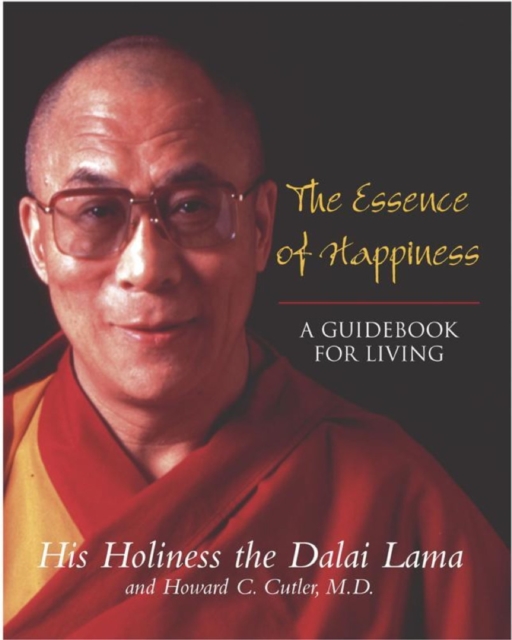
In 1999 His Holiness The Dalai Lama published the bestselling Ancient Wisdom: Modern World, which addressed the question of ethics for the new millennium.
Saved by the Angels gives warm and uplifting true stories of the extraordinary things that can happen to people (or their friends and relatives) if they have a near-death experience.
From the bestselling author of Fingerprints of the Gods, and creator of the explosive Netflix series, Ancient Apocalypse____________________________________'Supernatural: of or relating to things that cannot be explained according to natural laws.
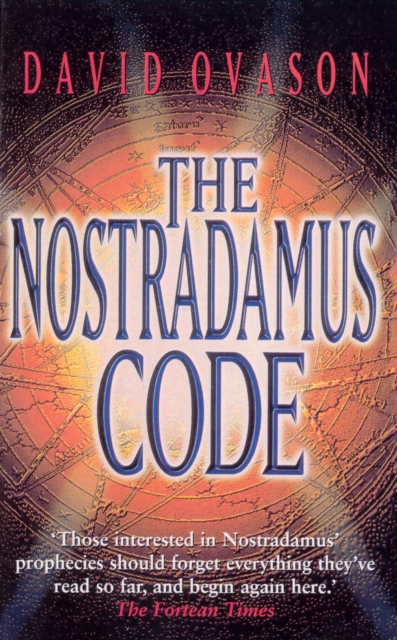
Ovason argues that previous translations have got it wrong, because they failed to realise that Nostradamus was writing in an esoteric language called the 'green language'.
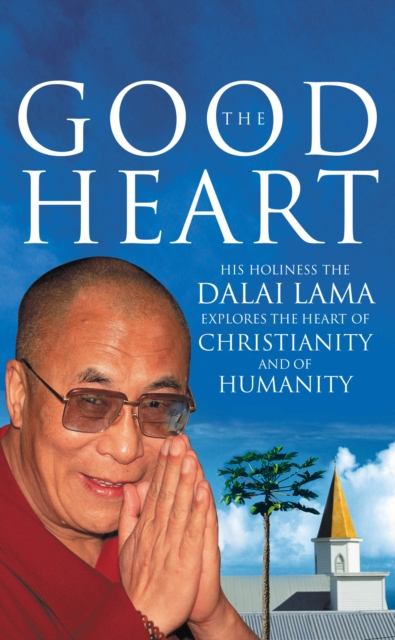
In this accessible book, His Holiness the Dalai Lama considers such well-known Gospel passages as the Sermon on the Mount, the Healing of the Sick and the Resurrection.
An eyewitness account of a modern coven and an overview of Wiccan history in a book that "e;sweep[s] clean the 'old image of witchcraft'"e; (Kirkus Reviews).
In this profoundly personal journey through British history, Martin Wall traces the influence of Magic and Myth from the earliest times to the present day.
The Freethought Resource Guideis a first-stop directory to carefully vetted, selected, arranged, recommended, and synopsized references to a wide variety of items that are of the highest quality, historical importance, and/or greatest utility to freethinkers.
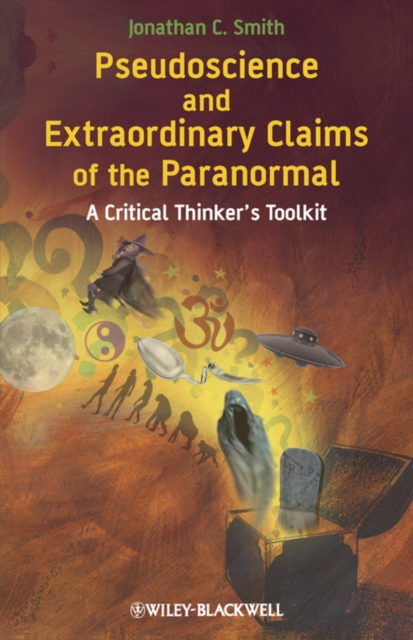
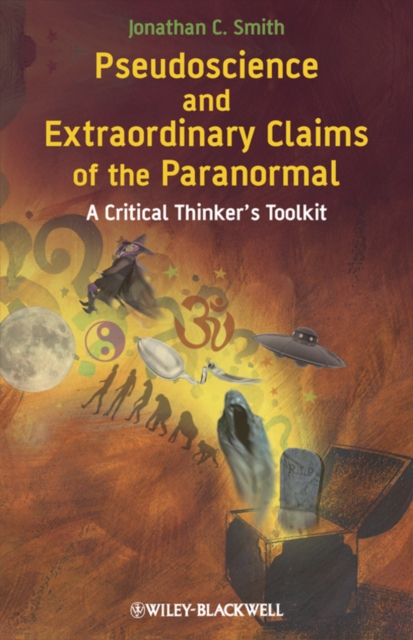
Pseudoscience and Extraordinary Claims of the Paranormal: A Critical Thinker's Toolkit provides readers with a variety of "e;reality-checking"e; tools to analyze extraordinary claims and to determine their validity.
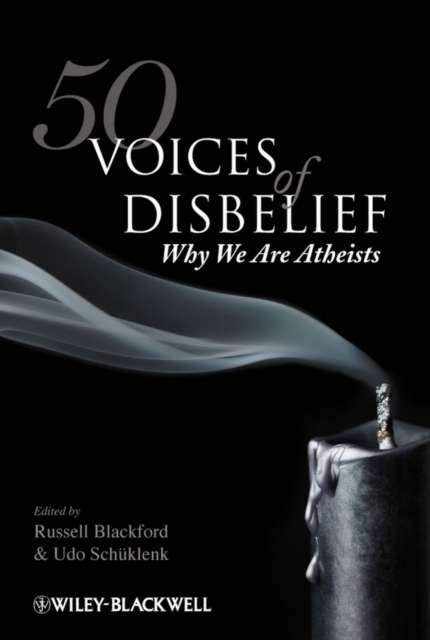
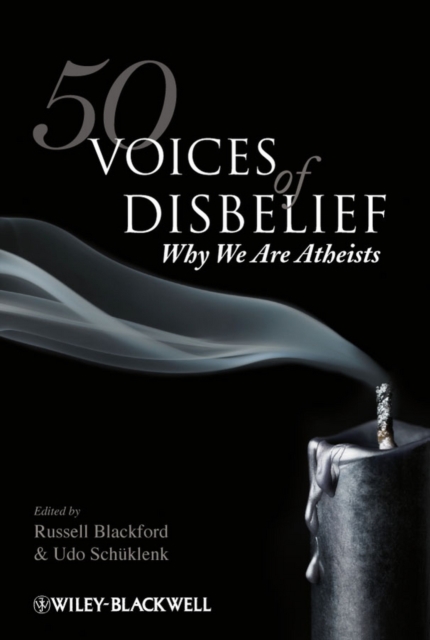
50 Voices of Disbelief: Why We Are Atheists presents a collection of original essays drawn from an international group of prominent voices in the fields of academia, science, literature, media and politics who offer carefully considered statements of why they are atheists.
Pseudoscience and Extraordinary Claims of the Paranormal: A Critical Thinker's Toolkit provides readers with a variety of "e;reality-checking"e; tools to analyze extraordinary claims and to determine their validity.
50 Voices of Disbelief: Why We Are Atheists presents a collection of original essays drawn from an international group of prominent voices in the fields of academia, science, literature, media and politics who offer carefully considered statements of why they are atheists.
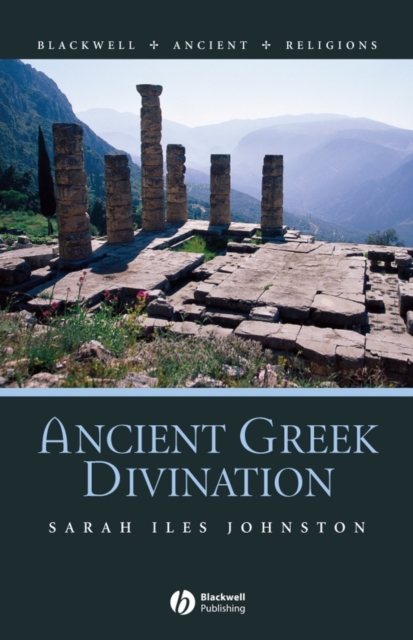
The first English-language survey of ancient Greek divinatory methods, Ancient Greek Divination offers a broad yet detailed treatment of the earliest attempts by ancient Greeks to seek the counsel of the gods.
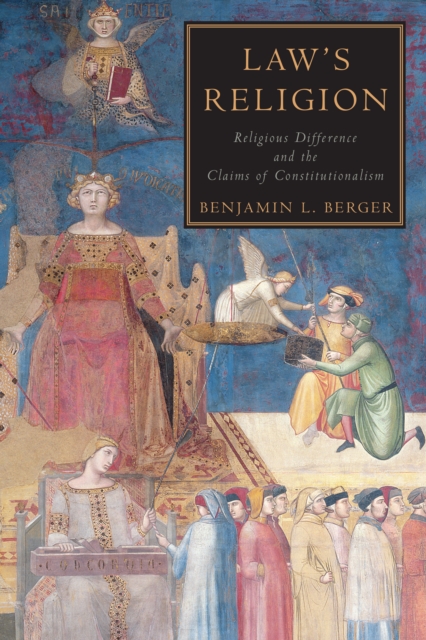
Prevailing stories about law and religion place great faith in the capacity of legal multiculturalism, rights-based toleration, and conceptions of the secular to manage issues raised by religious difference.
Prevailing stories about law and religion place great faith in the capacity of legal multiculturalism, rights-based toleration, and conceptions of the secular to manage issues raised by religious difference.
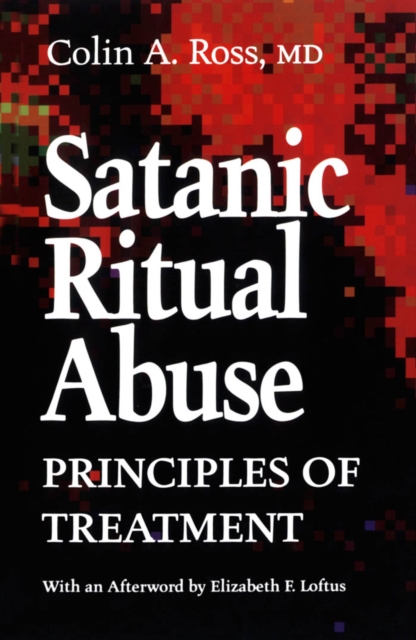
In recent years the subject of satanic ritual abuse (SRA) has incited widespread controversy focused primarily on whether or not such abuse actually occurs.
This is the first book devoted to investigating the scholarly commonplace that Erasmus’ revival of classical learning defines his evangelical humanism.
The first decade of the twenty-first century saw a number of best-selling books which not only challenged the existence of god, but claimed that religious faith was dangerous and immoral.
The first decade of the twenty-first century saw a number of best-selling books which not only challenged the existence of god, but claimed that religious faith was dangerous and immoral.