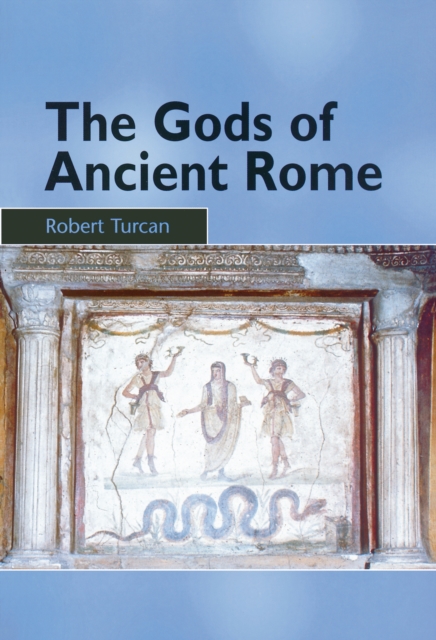
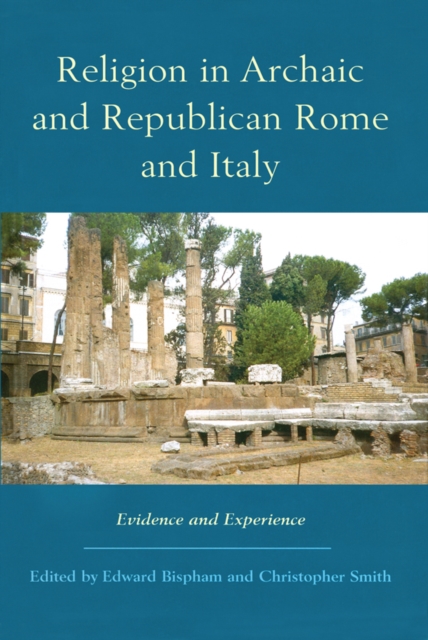
As Rome extended its influence throughout Italy, gradually incorporating its various peoples in a process of Romanization and conquest, its religion was extensively influenced by the cults of religious practices of its new subjects and citizens.
As Rome extended its influence throughout Italy, gradually incorporating its various peoples in a process of Romanization and conquest, its religion was extensively influenced by the cults of religious practices of its new subjects and citizens.
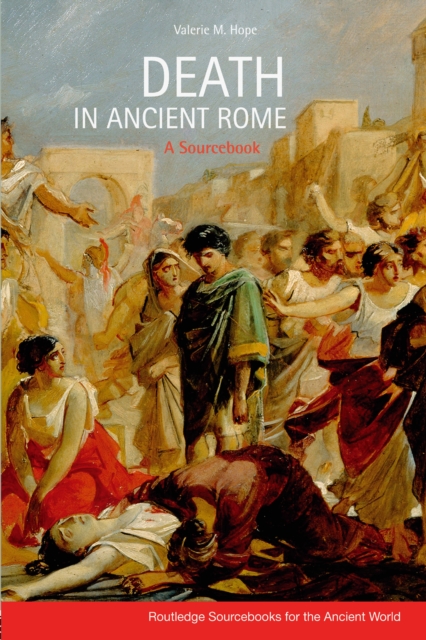
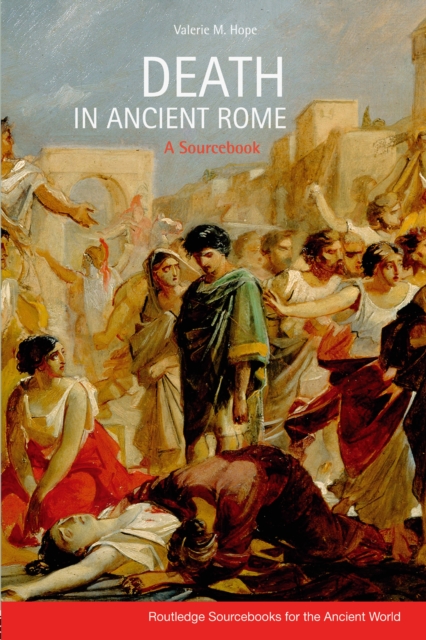
Presenting a wide range of relevant, translated texts on death, burial and commemoration in the Roman world,this book is organized thematically and supported by discussion of recent scholarship.
Presenting a wide range of relevant, translated texts on death, burial and commemoration in the Roman world,this book is organized thematically and supported by discussion of recent scholarship.
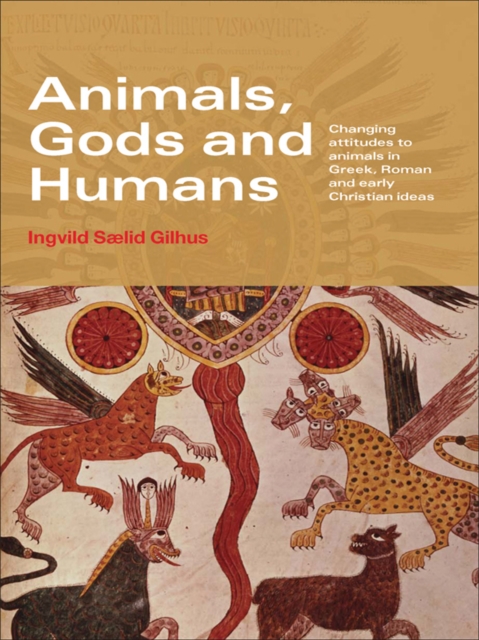
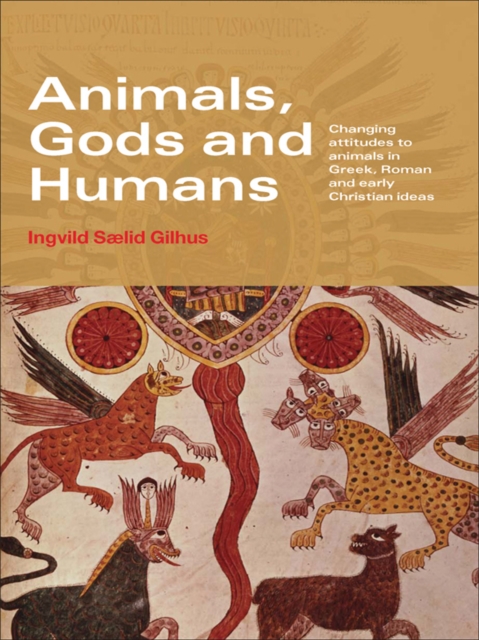
Consulting a wide range of key texts and source material, Animals, Gods and Humans covers 800 years and provides a detailed analysis of early Christian attitudes to, and the position of, animals in Greek and Roman life and thought.
Consulting a wide range of key texts and source material, Animals, Gods and Humans covers 800 years and provides a detailed analysis of early Christian attitudes to, and the position of, animals in Greek and Roman life and thought.
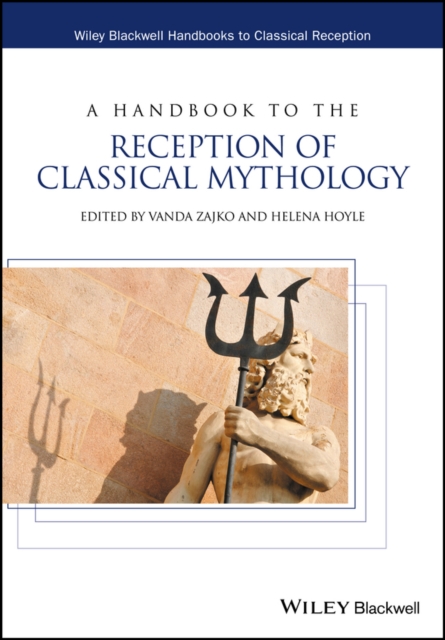
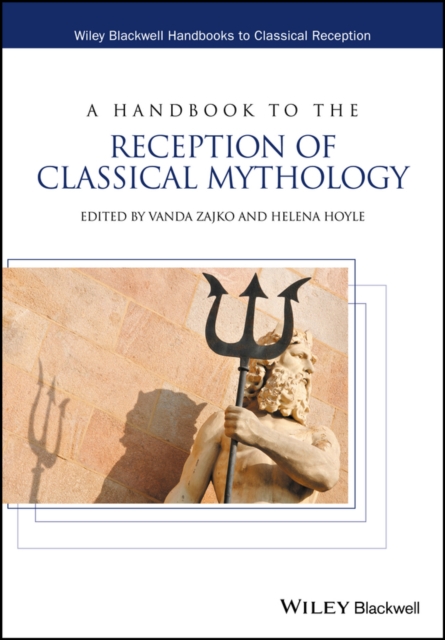
A Handbook to the Reception of Classical Mythology presents a collection of essays that explore a wide variety of aspects of Greek and Roman myths and their critical reception from antiquity to the present day.
A Handbook to the Reception of Classical Mythology presents a collection of essays that explore a wide variety of aspects of Greek and Roman myths and their critical reception from antiquity to the present day.
Sicily and the strategies of empire in the poetic imagination of classical and medieval EuropeIn the first century BC, Cicero praised Sicily as Rome's first overseas province and confirmed it as the mythic location for the abduction of Proserpina, known to the Greeks as Persephone, by the god of the underworld.
First published in 1956, this seminal study, by the great Belgian scholar Franz Cumont, remains the definitive coverage of a great ideological struggle between the West and the Orient in the first centuries of the Christian era.
First published in 1956, this seminal study, by the great Belgian scholar Franz Cumont, remains the definitive coverage of a great ideological struggle between the West and the Orient in the first centuries of the Christian era.
First published in 1987, this is a critical edition of the 1647 text by the Scottish author Alexander Ross which offered the Renaissance reader not only a wealth of factual information concerning the gods, goddesses, heroes and monsters of ancient myth and legend, but also served as a treasury of interpretation and commentary ingeniously explaining the facts in terms moral, theological, historical and scientific.
First published in 1987, this is a critical edition of the 1647 text by the Scottish author Alexander Ross which offered the Renaissance reader not only a wealth of factual information concerning the gods, goddesses, heroes and monsters of ancient myth and legend, but also served as a treasury of interpretation and commentary ingeniously explaining the facts in terms moral, theological, historical and scientific.
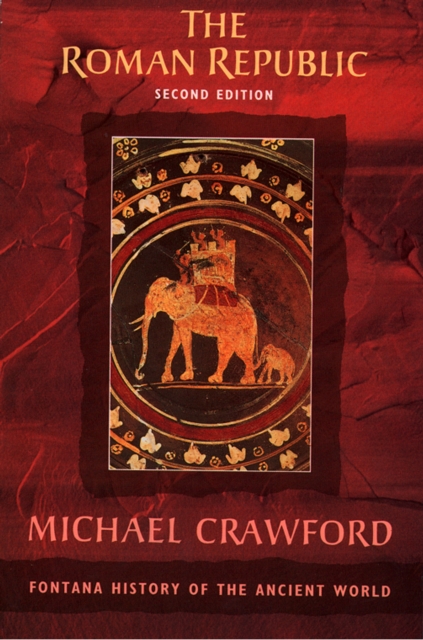
Between the Sack of Rome by the Gauls in 390 BC and the middle of the second century BC, a part-time army of Roman peasants, under the leadership of the ruling oligarchy, conquered first Italy and then the whole of the Mediterranean.
Rufinus' vivid account of the battle between the Eastern Emperor Theodosius and the Western usurper Eugenius by the River Frigidus in 394 represents it as the final confrontation between paganism and Christianity.
Rufinus' vivid account of the battle between the Eastern Emperor Theodosius and the Western usurper Eugenius by the River Frigidus in 394 represents it as the final confrontation between paganism and Christianity.
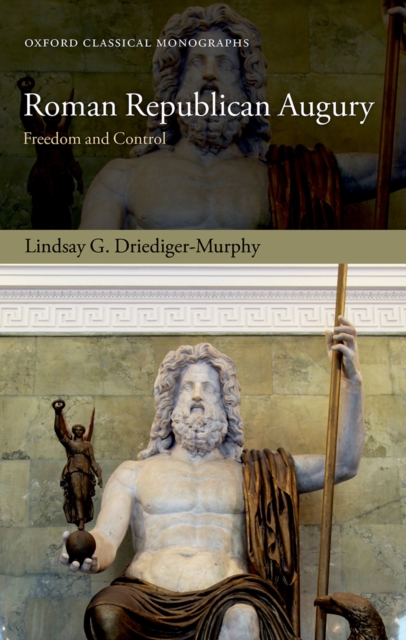
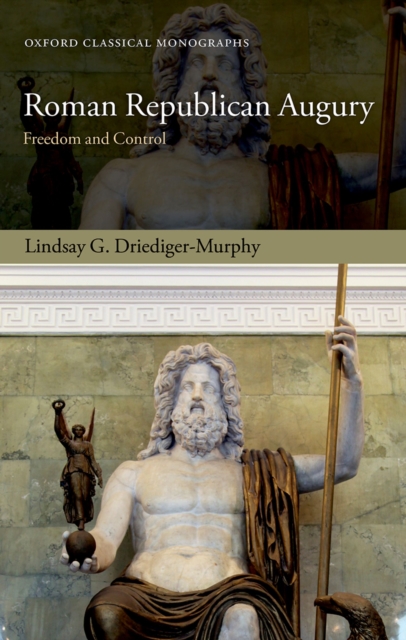
Roman Republican Augury: Freedom and Control proposes a new way of understanding augury, a form of Roman state divination designed to consult the god Jupiter.
Roman Republican Augury: Freedom and Control proposes a new way of understanding augury, a form of Roman state divination designed to consult the god Jupiter.
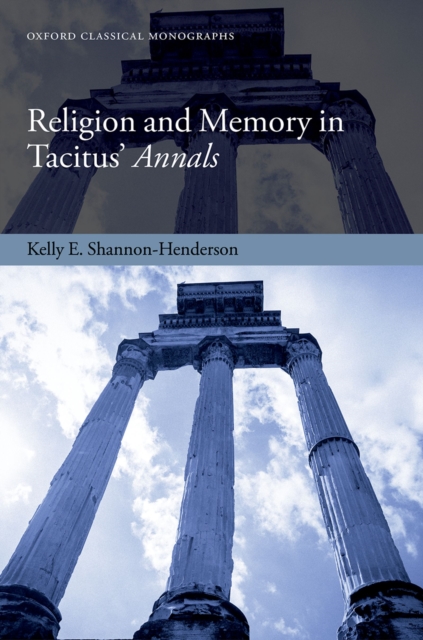
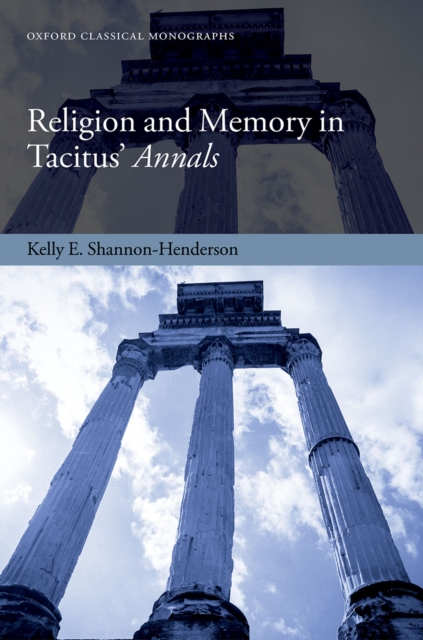
Throughout his narrative of Julio-Claudian Rome in the Annals, Tacitus includes numerous references to the gods, fate, fortune, astrology, omens, temples, priests, the emperor cult, and other religious material.
Throughout his narrative of Julio-Claudian Rome in the Annals, Tacitus includes numerous references to the gods, fate, fortune, astrology, omens, temples, priests, the emperor cult, and other religious material.
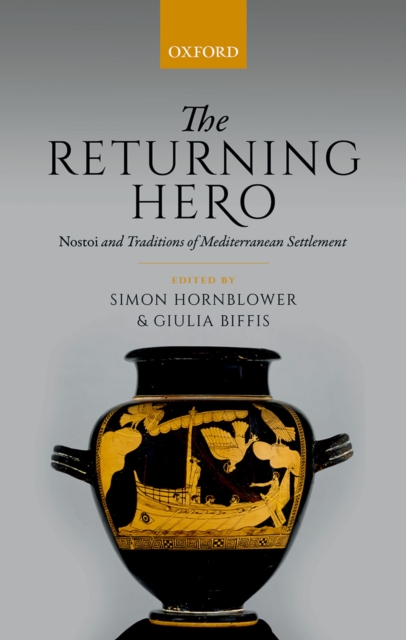
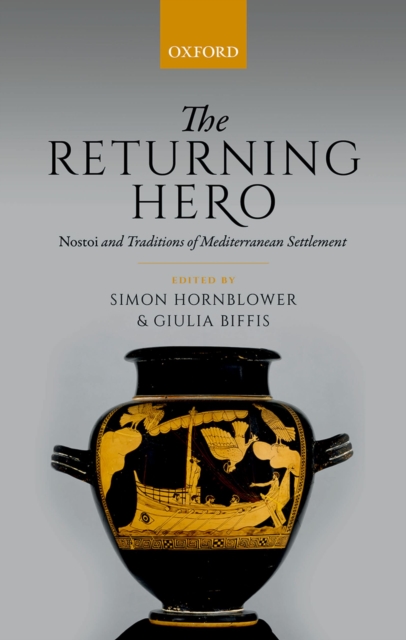
A recurring and significant theme in ancient Greek literature is that of returns and returning, chiefly - but by no means only - of mythical Greek heroes from Troy.
A recurring and significant theme in ancient Greek literature is that of returns and returning, chiefly - but by no means only - of mythical Greek heroes from Troy.
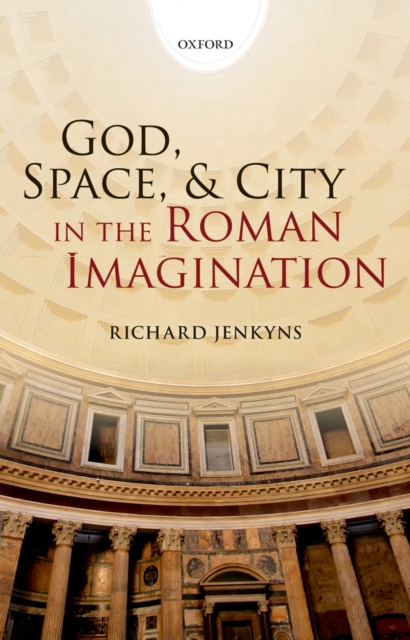
God, Space, and City in the Roman Imagination is a unique exploration of the relationship between the ancient Romans' visual and literary cultures and their imagination.
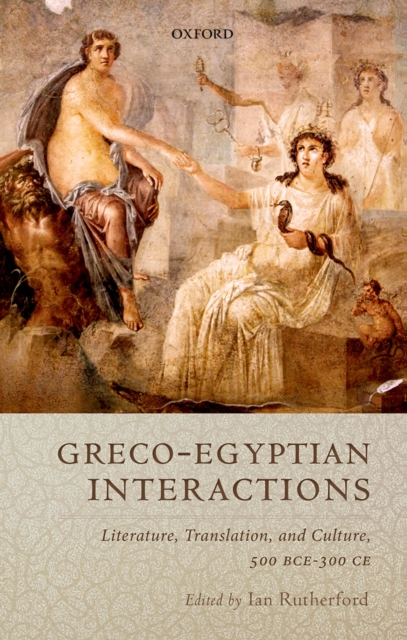
Contact and interaction between Greek and Egyptian culture can be traced in different forms over more than a millennium: from the sixth century BC, when Greeks visited Egypt for the sake of tourism or trade, through to the Hellenistic period, when Egypt was ruled by the Macedonian-Greek Ptolemaic dynasty who encouraged a mixed Greek and Egyptian culture, and even more intensely in the Roman Empire, when Egypt came to be increasingly seen as a place of wonder and a source of magic and mystery.
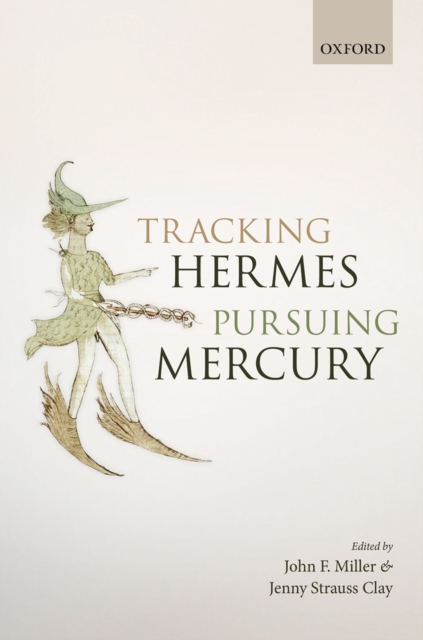
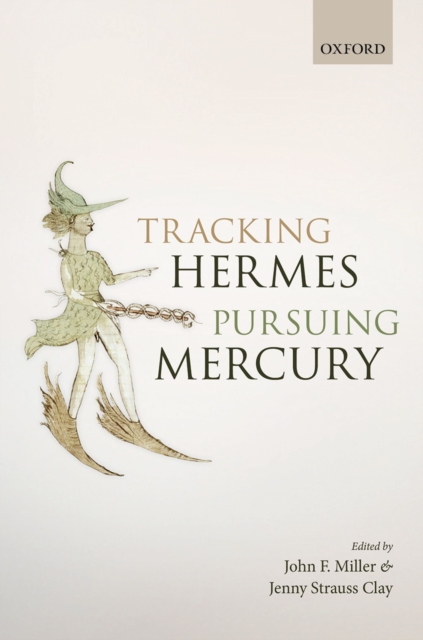
Of all the divinities of classical antiquity, the Greek Hermes (Mercury in his Roman alter ego) is the most versatile, enigmatic, complex, and ambiguous.
Of all the divinities of classical antiquity, the Greek Hermes (Mercury in his Roman alter ego) is the most versatile, enigmatic, complex, and ambiguous.
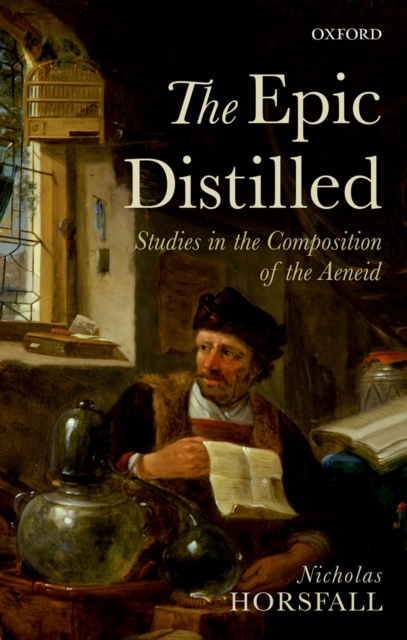
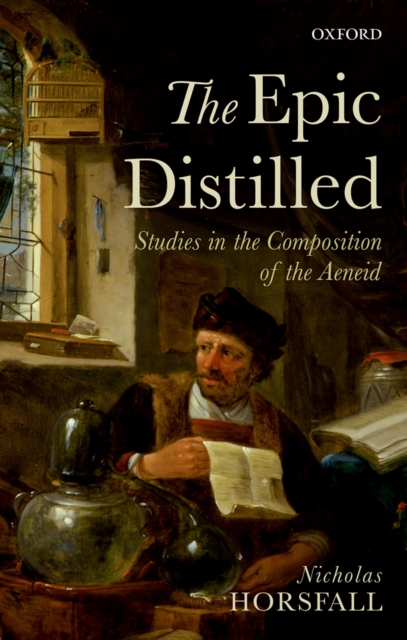
The Epic Distilled is a rich exploration of Virgil's use of sources in the Aeneid, considering elements of history, geography, mythology, and ethnography.
The Epic Distilled is a rich exploration of Virgil's use of sources in the Aeneid, considering elements of history, geography, mythology, and ethnography.