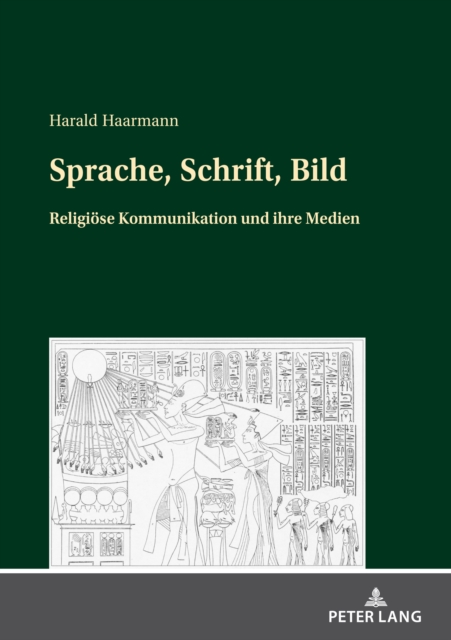
Lange Zeit galten die religiösen Weltbilder der griechischen und römischen Kultur nur als Relikt eines absterbenden primitiven Weltbildes, das kaum erforscht wurde.
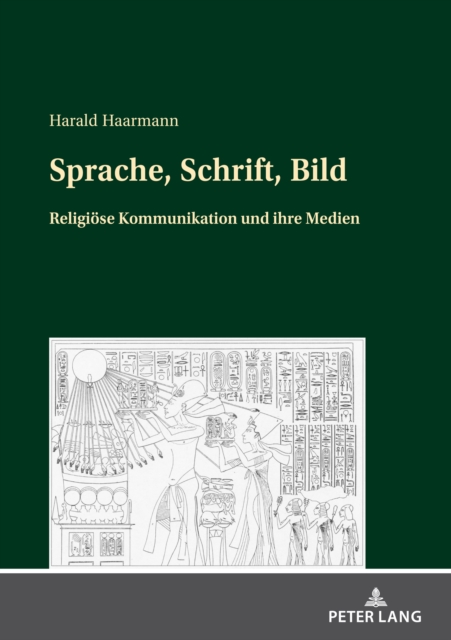
Lange Zeit galten die religiösen Weltbilder der griechischen und römischen Kultur nur als Relikt eines absterbenden primitiven Weltbildes, das kaum erforscht wurde.
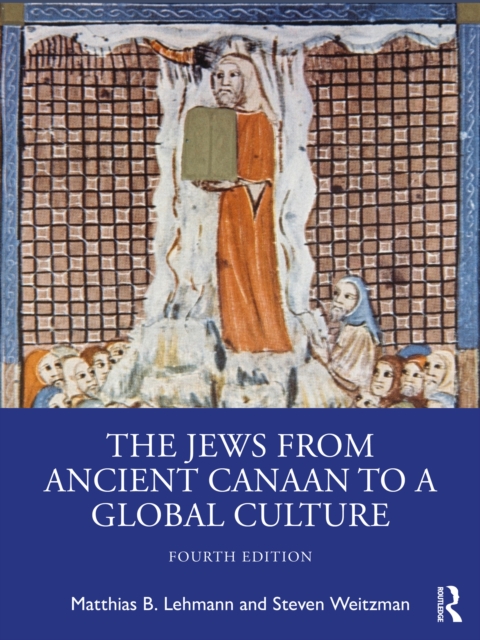
This accessibly written volume examines the major periods of Jewish history around the world, from the Jews' distant origins in antiquity through the beginnings of the modern period and the emergence of secular culture.
Der Vordere Odenwald und seine Neckar- und Main-Abschnitte sind seit bandkeramischer Zeit besiedelt - eine Epoche, die spirituell durch die Große Erd- und Muttergöttin geprägt ist - und weisen eine Vielzahl von Kultstätten zur Verehrung der Großen Mutter Mitteleuropas auf: Quellheiligtümer, Steinsetzungen, Bergkultplätze, Weiheinschriften, etc.
Berserker - Die berüchtigten Krieger: Die mystischen Kämpfer der nordischen Mythologie und ihre ewige LegendeDie Berserker gehören zu den faszinierendsten und furchteinflößendsten Gestalten der nordischen Mythologie.
This first verse-by-verse commentary on the Greek text of the Testament of Abraham places the work within the history of both Jewish and Christian literature.
Die in der Erforschung und Interpretation antiker Texte lange aufrechterhaltene Trennung von Religion und Literatur in zwei nicht interdependente Sphären ist anachronistisch.
Die in der Erforschung und Interpretation antiker Texte lange aufrechterhaltene Trennung von Religion und Literatur in zwei nicht interdependente Sphären ist anachronistisch.
Der Band enthält teilweise grundlegend überarbeitete und aktualisierte Aufsätze von Otto Kaiser, dem Herausgeber der Beihefte zur Zeitschrift für die alttestamentliche Wissenschaft, aus den Jahren 1992-2002.
This study examines by a meticulous analysis of abundant rabbinic citations the pluralism of the Halakhah in the pre-70 period which stands in contrast to the fixed Halakhah of later periods.
Der exilisch-nachexilische Wandel des „Religionstyps“ im alten Israel, der sich parallel zur und verbunden mit der Kanonbildung ergeben hat, ist Gegenstand unterschiedlicher religionsgeschichtlicher Forschungen.
Sectarianism in Qumran: A Cross-Cultural Perspective explores the sectarian characteristics of the system of beliefs and laws of the two major Qumran sects of the Dead Sea Scrolls, the yahad and the Damascus Covenant, using theories of sectarianism and related topics in sociology, anthropology and the study of religion.