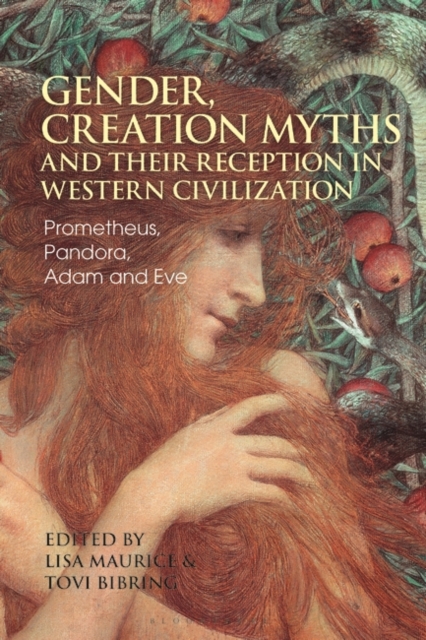
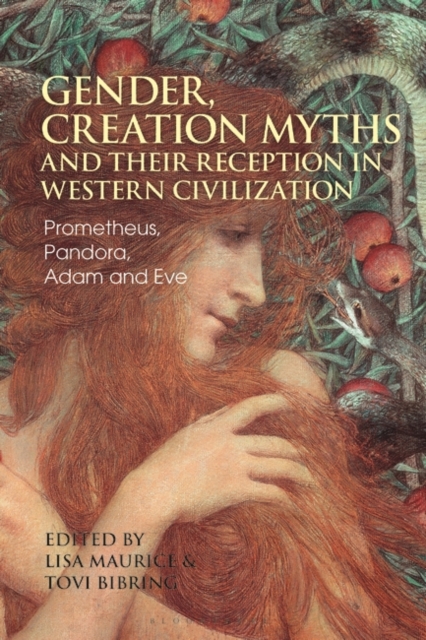
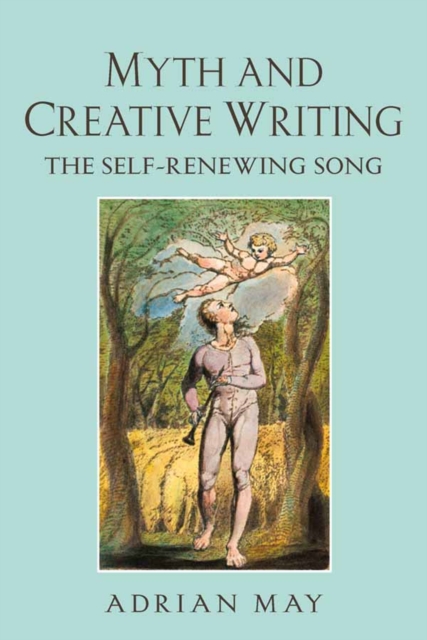
This volume offers an instructive comparative perspective on the Judaic, Christian, Greek and Roman myths about the creation of humans in relation to each other, as well as a broad overview of their enduring relevance in the modern Western world and its conceptions of gender and identity.
This volume offers an instructive comparative perspective on the Judaic, Christian, Greek and Roman myths about the creation of humans in relation to each other, as well as a broad overview of their enduring relevance in the modern Western world and its conceptions of gender and identity.
Why did Egyptian cults, especially those dedicated to the goddess Isis and god Sarapis, spread so successfully across the ancient Mediterranean after the death of Alexander the Great?
Why did Egyptian cults, especially those dedicated to the goddess Isis and god Sarapis, spread so successfully across the ancient Mediterranean after the death of Alexander the Great?
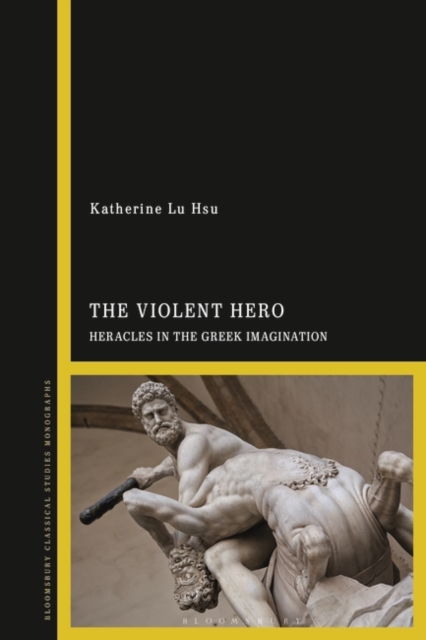
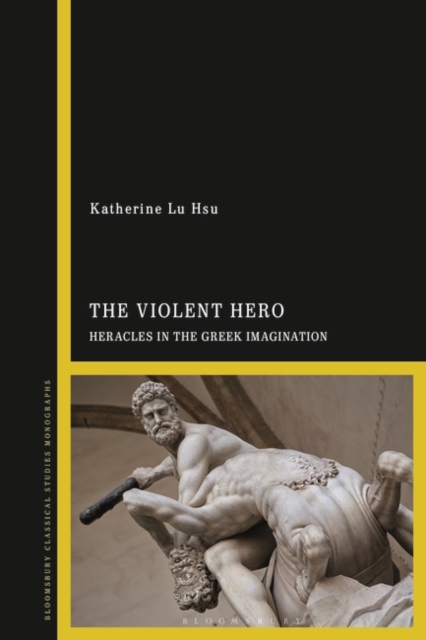
This book uses the mythological hero Heracles as a lens for investigating the nature of heroic violence in Archaic and Classical Greek literature, from Homer through to Aristophanes.
This book uses the mythological hero Heracles as a lens for investigating the nature of heroic violence in Archaic and Classical Greek literature, from Homer through to Aristophanes.
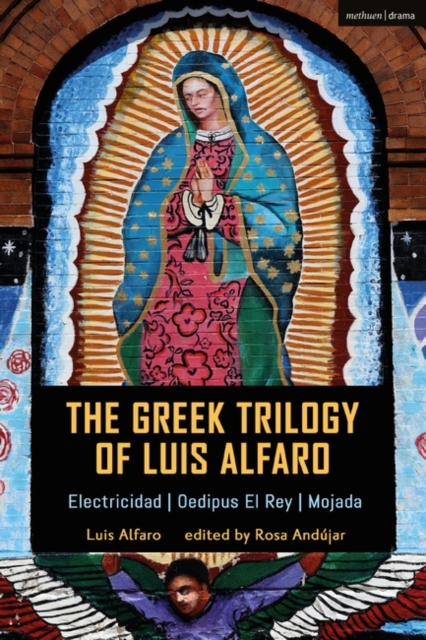
Winner of the London Hellenic Prize 2020The Greek Trilogy of Luis Alfaro gathers together for the first time the three 'Greek' plays of the MacArthur Genius Award-winning Chicanx playwright and performance artist.
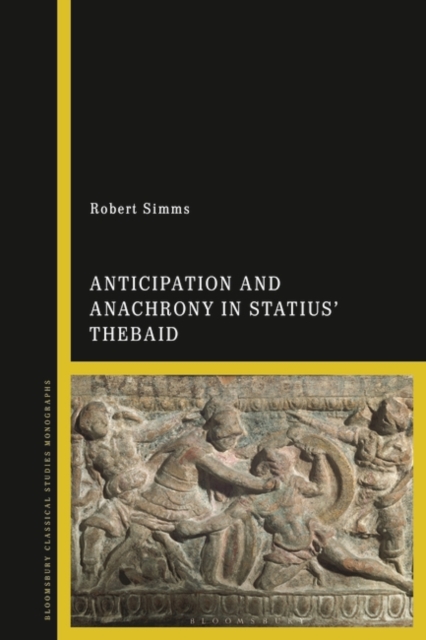
Applying the latest narratological theory and focusing on the use of anachrony (or 'chronological deviation'), this book explores how Statius competes – successfully – for a place within an established literary canon.
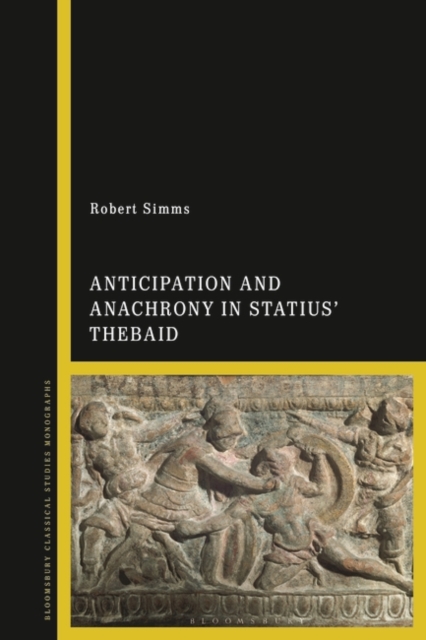
Applying the latest narratological theory and focusing on the use of anachrony (or 'chronological deviation'), this book explores how Statius competes – successfully – for a place within an established literary canon.
Focusing on the Avestan and Pahlavi versions of the Sih-rozag, a text worshipping Zoroastrian divine entities, this book explores the spiritual principles and physical realities associated with them.
Focusing on the Avestan and Pahlavi versions of the Sih-rozag, a text worshipping Zoroastrian divine entities, this book explores the spiritual principles and physical realities associated with them.
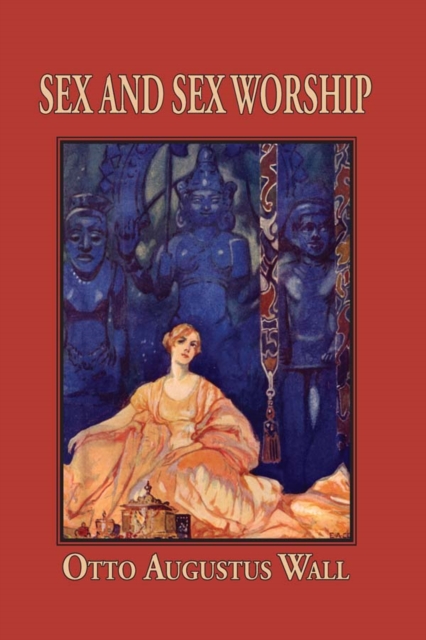
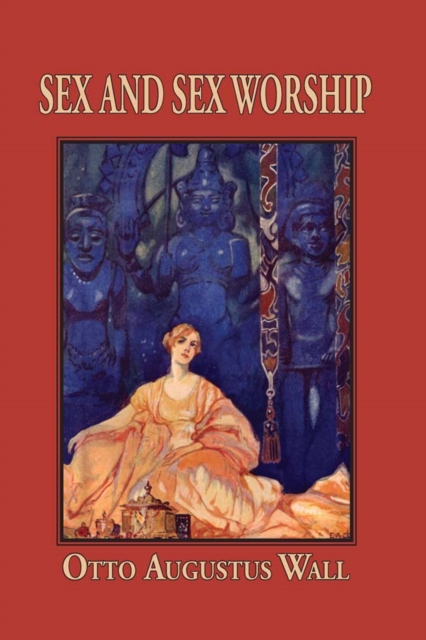
Sex is at the very heart of life, and this classic illustrated study of sex, its nature and function, and its influence on art, science, architecture and religion contains a wealth of information on sex beliefs, practices and worship in other cultures and periods of history stretching back to ancient times.
Sex is at the very heart of life, and this classic illustrated study of sex, its nature and function, and its influence on art, science, architecture and religion contains a wealth of information on sex beliefs, practices and worship in other cultures and periods of history stretching back to ancient times.
The Dragon Myth appears in numerous languages; it can be found with minor variations in English, Russian, Swedish, German, French, Japanese and Swahili.
The Dragon Myth appears in numerous languages; it can be found with minor variations in English, Russian, Swedish, German, French, Japanese and Swahili.
The Sacred Identity of Ephesos offers a full-length interpretation of one of the largest known bequests in the Classical world, made to the city of Ephesos in AD 104 by a wealthy Roman equestrian, and challenges some of the basic assumptions made about the significance of the Greek cultural renaissance known as the 'Second Sophistic'.
The Sacred Identity of Ephesos offers a full-length interpretation of one of the largest known bequests in the Classical world, made to the city of Ephesos in AD 104 by a wealthy Roman equestrian, and challenges some of the basic assumptions made about the significance of the Greek cultural renaissance known as the 'Second Sophistic'.
That the works of the ancient tragedians still have an immediate and profound appeal surely needs no demonstration, yet the modern reader continually stumbles across concepts which are difficult to interpret or relate to - moral pollution, the authority of oracles, classical ideas of geography - as well as the names of unfamiliar legendary and mythological figures.
That the works of the ancient tragedians still have an immediate and profound appeal surely needs no demonstration, yet the modern reader continually stumbles across concepts which are difficult to interpret or relate to - moral pollution, the authority of oracles, classical ideas of geography - as well as the names of unfamiliar legendary and mythological figures.
Interpretations of Greek Mythology, first published in1987, builds on the innovative work of Walter Burkert and the 'Paris school' of Jean-Pierre Vernant, and represents a renewal of interpretation of Greek mythology.
Interpretations of Greek Mythology, first published in1987, builds on the innovative work of Walter Burkert and the 'Paris school' of Jean-Pierre Vernant, and represents a renewal of interpretation of Greek mythology.
In Christians and Pagans in Roman Britain, first published in 1991, Professor Dorothy Watts sets out to distinguish possible Pagan features in Romano-British Christianity in the period leading up to and immediately following the withdrawal of Roman forces in AD 410.
In Christians and Pagans in Roman Britain, first published in 1991, Professor Dorothy Watts sets out to distinguish possible Pagan features in Romano-British Christianity in the period leading up to and immediately following the withdrawal of Roman forces in AD 410.