An examination of the Hebrew Scriptures reveals the ethical situations in ancient Israel as a structural analysis, and exposes a covenantal triangle that features a dynamic of giving and receiving, taking and paying penalties, as a meme for human relationships.
This book demonstrates that Latin American liberation theology continues to produce substantial biblical exegesis, absorbing theological reflection, and a sharp social critique that enhances the worldwide church.
Paul lies at the core of the constant debate about the opposition between Christianity and Judaism in biblical interpretation and public discourse as well.
The Tradition of the Elders, based on Matt 15:1-20 and Mark 7:1-23, explores how the oral law upheld and promoted the anti-Christian forces of Pharisaism and Sadduceism.
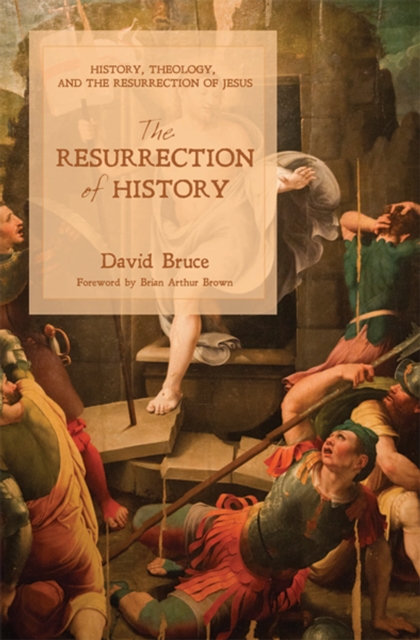
Dennis Horton highlights the shape and function of the death-and-resurrection motif by applying William Freedman's criteria of a literary motif to the Acts narrative.
Contents1 The Practice of Homefulness2 A Myriad of "e;Truth and Reconciliation"e; Commissions3 Bragging about the Right Stuff4 A Culture of Life and the Politics of Death5 Elisha as the Original Pentecost Guy6 The Stunning Outcome of a One-Person Search Committee7 The Non-negotiable Price of Sanity8 The Family as World-Maker
The Shoah is without question the defining moment in modern history, and it has transformed the manner in which the Bible is read and how God is understood.
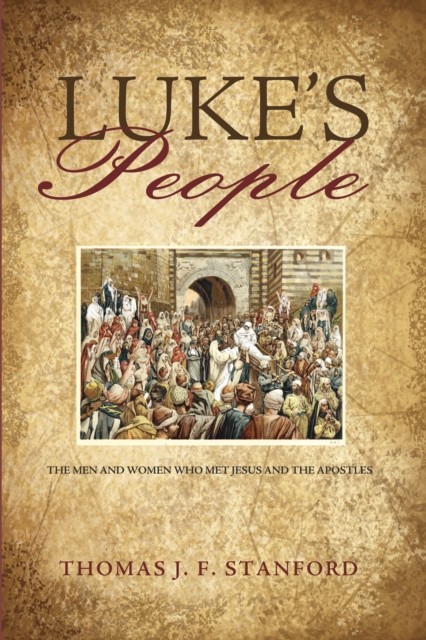
Luke's People seeks to understand the men and women who met Jesus and the apostles as they are described in the Gospel of Luke and in the Acts of the Apostles in the way that Luke, who wrote these works, intended.
Amid the torrent of books on leadership that flood the marketplace of contemporary Christianity, UnCorinthian Leadership takes a fresh, challenging, and biblical approach.
What does Jesus mean when he says, "e;A disciple is not above his teacher, but each disciple, after being fully trained, will be like his teacher"e; (Luke 6:40)?
In Job's final concession to God, he uses a phrase generally translated from the Hebrew as, "e;Wherefore I abhor myself, and repent in dust and ashes"e; (afar va-eifer).
Symbolic interactionism is a social-scientific perspective that seeks to describe how human beings create meaning with one another in their daily lives.
The land of Israel is intimately linked to the adventures of the prophets, men like Elijah, Amos, Hosea, Jeremiah, Ezekiel, and the list goes on and on.
Christmas is a charming and memorable season for children, and it is perfectly reasonable for well-informed adults to enjoy cribs, candles, carols, decorated trees, presents, and family feasts.
Although covenant is a major theme in Hebrews, Morrison contends all mention of covenant can be deleted without damaging the coherence of the epistle or its christological conclusions.
John Paul Heil presents an original analysis of the theme of worship in the book of Revelation guided by a new illustration of its comprehensive chiastic structure.
First-timeTranslation in English- - - The relationship between Christians and Jews has often been very tense, with misunderstandings of Paul's teachings contributing to the problem.
ContentsThe History of the Study of Israelite and Judean HistoryWellhausen as a Historian of IsraelThe Twelve-Tribe Israelite Amphicyony: An AppraisalThe Final Years of Samaria (730-720 BC)The History of the Form-Critical Study of ProphecyThe Usage of Oracles against Foreign Nations in Ancient IsraelAmos's Oracles against the Nations (1:2--2:16)Restitution, Forgiveness, and the Victim in Old Testament LawCovenantCovenant and Hesed: The Status of the Discussion
Christ's Miracles in Poems will inspire its readers through a greater understanding of Christ's miracles as revealed in the New Testament of the Bible.
In this groundbreaking book, Michael Gorman asks why there is no theory or model of the atonement called the "e;new-covenant"e; model, since this understanding of the atonement is likely the earliest in the Christian tradition, going back to Jesus himself.
Growing out of the work that the author did in preparing two major commentaries on Isaiah, these essays range from comprehensive to specific, and from popular to scholarly.