How Jews and Christians Interpret Their Sacred Texts is a comparative textual study that demonstrates the connections between the Hebrew Scriptures, sacred to both Judaism and Christianity, and the Jewish Talmud and Christian New Testament, which respectively became the bases for all modern systems of the two faiths.
The advances of geologic science, Darwinism, theological liberalism, and higher textual criticism converged in the nineteenth century to present an imposing challenge to biblical authority.
The essays presented here represent over twenty-five years of thinking about the theology and life of the Apostle Paul who, as a "e;slave of Jesus Christ"e; (Rom 1:1), was a "e;servant of the new covenant"e; with a "e;ministry of the Spirit"e; (2 Cor 3:6, 8).
Matters pertaining to our Lord's second coming, heaven, hell, and associated topics are often set aside by Christians, sometimes for very understandable reasons.
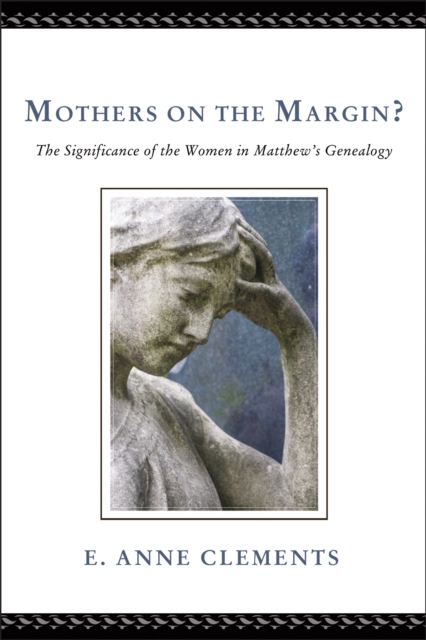
The Gospel of Matthew opens with a patrilineal genealogy of Jesus that intriguingly includes five women: Tamar, Rahab, Ruth, "e;she of Uriah,"e; and Mary.
Since the rise of the "e;New Homiletic"e; a generation ago, it has been recognized that sermons not only say something to listeners, they also do something.
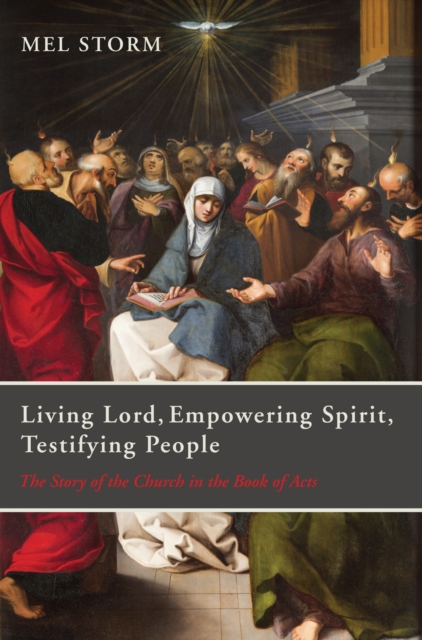
This book is a commentary on the Acts of the Apostles for the nonspecialist, based on lecture notes accumulated over many years of Professor Mel Storm's introductory course on Acts.
In Glory, Grace, and Truth, Alexander Tsutserov argues that three concepts of the revelation of God as Jesus are unfolded throughout the Gospel of John in terms of a ratification of the covenant of the presence of God.
For the last two centuries biblical interpretation has been guided by perspectives that have largely ignored the oral context in which the gospels took shape.