The first five books of the Bible contain many of its most famous stories, populated by vivid characters altogether human in their triumphs and failings--and an equally complicated deity.
In this book Marianne Bjelland Kartzow suggests that ideas taken from recent discussions of multiple identities and intersectionality, combined with insights from memory theory, can renew our engagement with biblical texts.
The Christ Letter is a conversation partner for pastors and students of the Bible who want to wrestle with the meaning of the biblical text for Christian living today.
Dance in Scripture: How Biblical Dancers Can Revolutionize Worship Today examines the dances of seven biblical figures: Miriam, Jephthah's daughter, David, the Shulamite, Judith, Salome, and Jesus.
In the Bible's introduction are embedded foundational perspectives on "e;who God is"e; and "e;who humans are and what we should be doing"e; that are developed throughout the book.
In Portrait of an Apostle Greg MaGee explores the claim that Colossians and Ephesians are works of forgery that use Paul's authoritative status to gain a hearing.
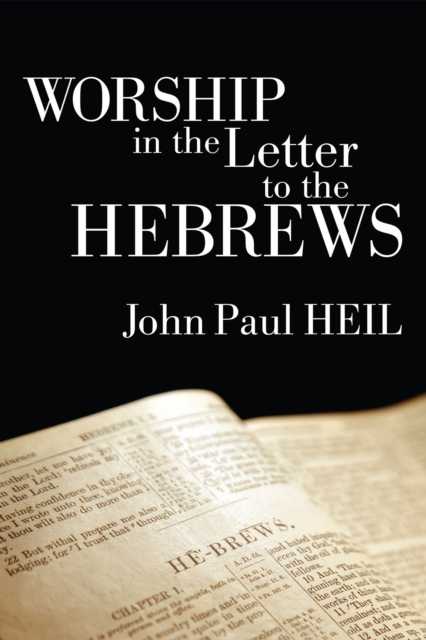
This book seeks a more comprehensive understanding and appreciation for the Letter to the Hebrews by examining it from the viewpoint of its prominent theme of worship.
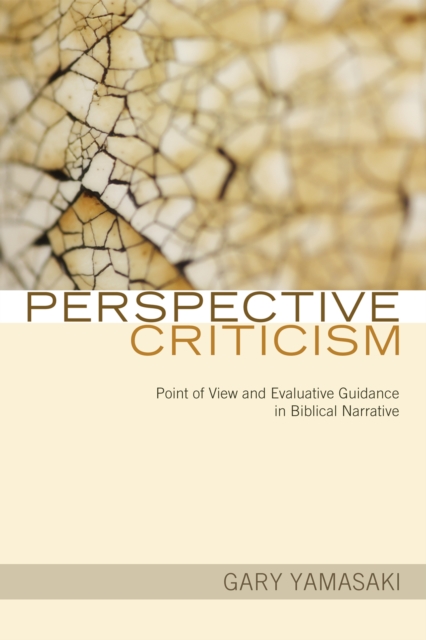
The narrative material of the Bible often presents characters engaged in actions without providing explicit guidance as to how those actions are intended to be evaluated.
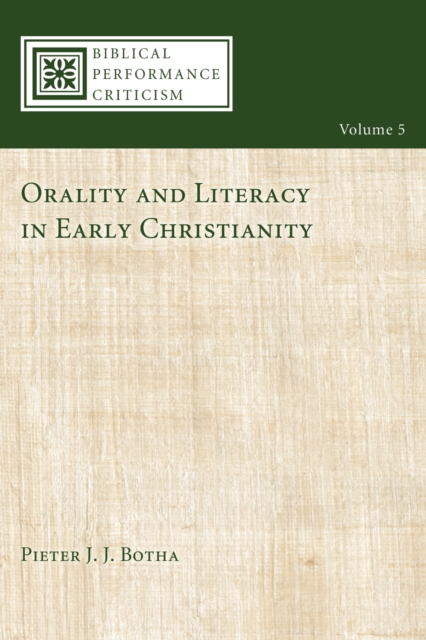
The history of the Jesus movement and earliest Christianity requires careful attention to the characteristics and peculiarities of oral and literate traditions.
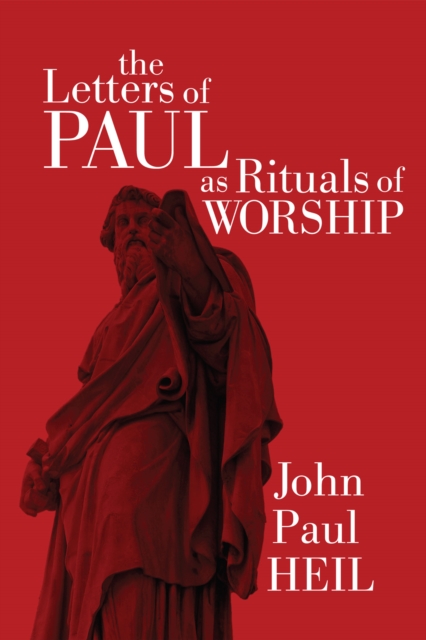
This book focuses on worship in the letters of Paul in an effort to shed some light upon this key theme and bring the various dimensions of its significance into the foreground of Pauline studies.
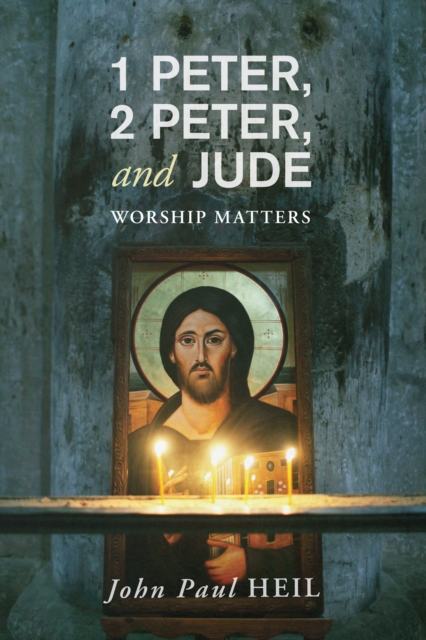
This book proposes new and comprehensive chiastic structures as well as new unifying themes for the often-neglected New Testament letters of 1 Peter, 2 Peter, and Jude.
Readers of the Gospels are typically attuned to the words of Jesus while paying comparatively little attention to what other characters in the narratives say about him.
In this commentary Kanagaraj examines how John projects the church as God's "e;new covenant community,"e; which, is characterized by two virtues: love and obedience.
Although the object of centuries of study, only relatively recently has Genesis 1-11 been analyzed with attention to its literary unity and theological purpose.
To read Revelation for meaning today we need to recognize and accept that the Christian community itself has often become the wearer of Babylon's Cap of oppression.
The Imitation of Saint Paul takes us behind the headlines of his career and offers a fresh, compelling, contemporary look at the man who changed the world.
How can people taking diametrically opposing positions on contemporary issues--dividing both religious communities and society--quote the Bible in support of their views?
Most of the current scholarly literature on biblical intertextuality--or the use of the Old Testament in the New Testament--exhibits a high degree of variance regarding methodological approach.
Oral and Manuscript Culture in the Bible is the fruit of Professor Loubser's confrontation with how Scripture is read, understood, and used in the Third World situation, which is closer than modern European societies to the social dynamics of the original milieu in which the texts were produced.
The Gospels of the Marginalized provides an exciting new study of three of the most maligned figures in the New Testament story of Jesus: Thomas, usually considered the quintessential doubter among the disciples; Mary Magdalene, characterized as a repentant prostitute during much of the history of the church; and Judas Iscariot, presented as the despicable disciple of Jesus who betrayed his master for money.
For almost two millennia, Jesus' story has been retold in various forms and fashions, but in the last century a new way of reimagining the man from Galilee and rewriting the canonical Gospels has sprung up in the form of Jesus novels.
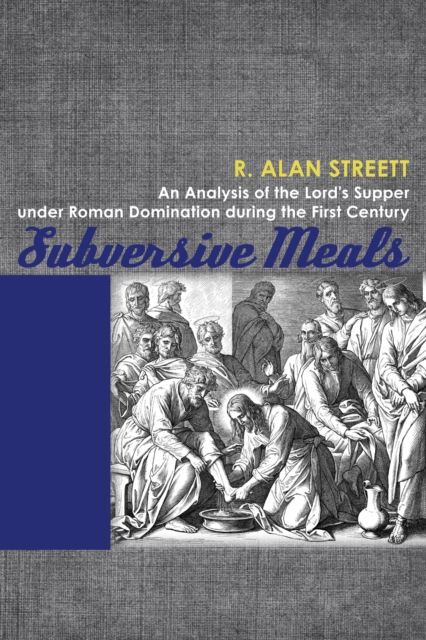
Subversive Meals examines the Lord's Supper within the sociopolitical context of first-century Roman domination, and concludes that it was an anti-imperial praxis.
The Apostle Paul leaves no stone unturned as he encourages, enlightens, and informs the Ephesian believers (and us) regarding their duties and responsibilities as Christ's followers.