Is it possible to make a case that the Gospel of Mark was not composed by a single man from scattered accounts but in a process of people's telling Jesus' story over several decades?
In this new introduction to the Apostle Paul and his gospel, written especially for lay readers, for beginning students, and for those unsure about what to make of Paul, Michael J.
The Adam and Eve narrative in Genesis 2-3 has gripped not only biblical scholars, but also theologians, artists, philosophers, and almost everyone else.
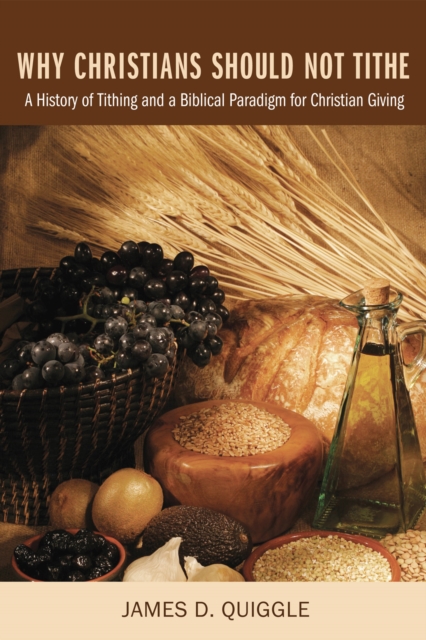
The premise of Why Christians Should Not Tithe is simple: God, having freed his people from the Law through faith in Jesus Christ, does not place on them a burden from the Law.
A helpfully concise commentary on Paul's letter to the early Christians in Rome, which the Apostle wrote just a few years before the outbreak of Nero's persecution.
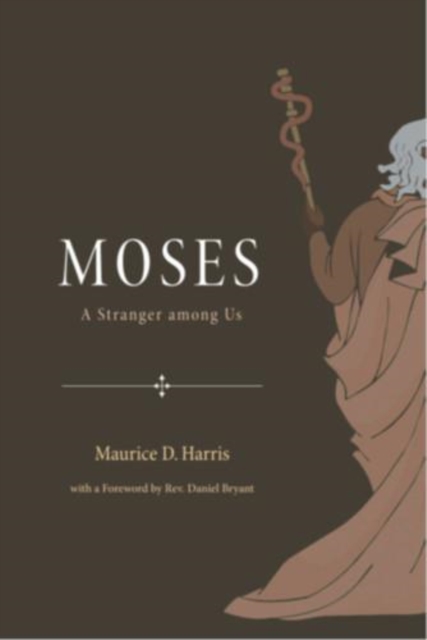
In Moses: A Stranger among Us, Rabbi Maurice Harris leads us to look beyond familiar and popular portrayals of Moses so that we can discover the Moses whose lesser-known attributes and experiences provide us with surprisingly fresh ethical and spiritual guidance.
The Sabbath-Lord's Day controversy exists because of a lack of faithful hermeneutics and attempts to validate denominational traditions with Scripture.
Ephesians speaks to our deepest questions about God: the redemptive plan of God written from ages past now revealed; the work of Christ complete and effective now and for eternity; the power of the Holy Spirit to change lives and build a community.
At a time when the Western church is having to come to terms--painfully and often reluctantly--with its diminished social and intellectual status in the world following the collapse of Christendom, we find ourselves, as interpreters of Paul, increasingly impressed by the need to relocate his writings in their historical context.
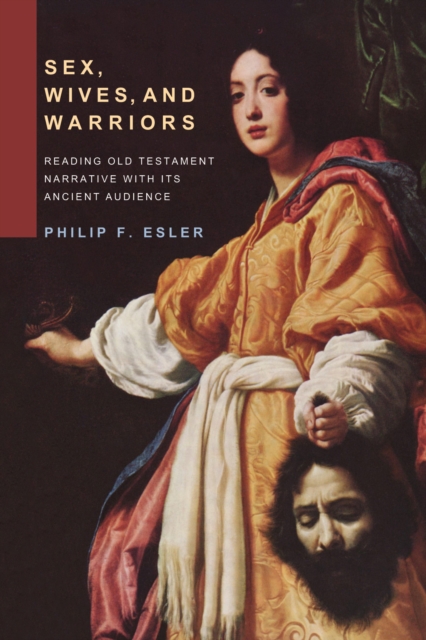
This volume invites readers to walk in Israelite sandals, that is, to take a journey of the imagination, and to immerse themselves in the identity, values, and institutions of first-century CE Israelites with the help of contemporary social-scientific studies and theories.
The Former Prophets of the Hebrew Bible includes the books of Joshua through 2 Kings, a narrative of ancient Israel's history of some seven hundred years from the "e;conquest"e; of Canaan to the exile, when Israel lost the land.
Identification of the Royal Psalms by Herman Gunkel indicates that the history and genre of the Royal Psalms must be distinguished from the Enthronement Psalms that are written to celebrate Yahweh's Kingship from those written to celebrate Davidic kingship.
In this new edition of Gerhard von Rad's classic work on the Moses traditions, the reader is provided with a more polished text, cross-references to von Rad's other works, an updated bibliography, Scripture index, and a new foreword by Walter Brueggemann.
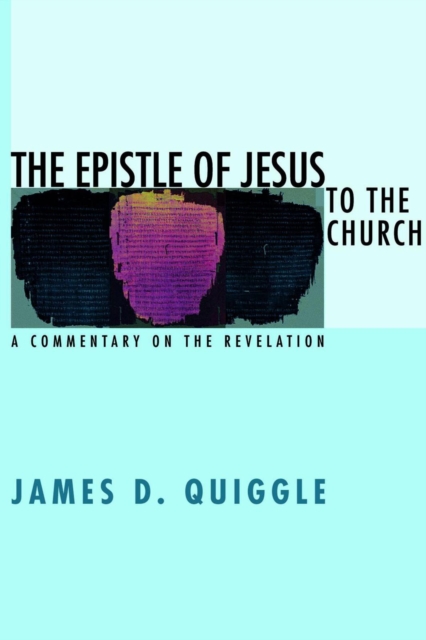
The Epistle of Jesus to the Church is a commentary on the book of Revelation that assumes Jesus was the author and John the reporter of the words and events described.
Rabbi Levi ben Gershom (Ralbag, Gersonides; 1288-1344), one of medieval Judaism's most original thinkers, wrote about such diverse subjects as astronomy, mathematics, Bible commentary, philosophical theology, "e;technical"e; philosophy, logic, Halakhah, and even satire.
Scholarly interest in print culture and in the study of religion in modern China has increased in recent years, propelled by maturing approaches to the study of cultural history and by a growing recognition that both were important elements of China's recent past.
The Former Prophets of the Hebrew Bible includes the books of Joshua through 2 Kings, a narrative of ancient Israel's history of some seven hundred years from the "e;conquest"e; of Canaan to the exile, when Israel lost the land.