In this accessible and provocative study, Brian Blount reads the book of Revelation through the lens of African American culture, drawing correspondences between Revelation's context and the long-standing suffering of African Americans.
The Women's Bible Commentary is a trusted, classic resource for biblical scholarship, written by some of the best feminist scholars in the field today.
Richard Nelson examines the books of Kings and treats the text as theological literature, emphasizing the literary impact of this important part of the Old Testament canon.
Steven Tuell shows how the books of Chronicles present the revelation of God's plan and purposes through the history of Israel, emphasizing the important role that King David plays within that story.
Studies in the books of Ezra-Nehemiah have tended to become bogged down with such questions as, "e;Who came first, Ezra or Nehemiah, and were they contemporaries?
This latest volume in the popular Belief series considers two very different types of biblical writings and two very timely subjects-violence and sex within the context of Scripture.
In this popular and ambitious series, John Goldingay covers Scripture from Genesis to Malachi and addresses the texts in such a way that even the most challenging passages are explained simply.
In this highly readable introduction to the Gospels, Edward Adams demonstrates how the four canonical Gospels function separatelya "e;as unique accounts of Jesus' lifea "e;and as narrative renditions of a shared story: the Fourfold Gospel.
The letters of 1 and 2 Peter and of Jude come from a time in Christian history about which we know little; thus they represent rare voices from a crucial time in Christianity's development.
This best-selling book, now revised and updated, shares the work of many feminist biblical scholars who have examined women's stories for several years.
Many Christian feminists wonder if they can simultaneously maintain their commitment to principles of gender equality and their faith in the Scriptures, particularly the Old Testament.
In this theological exposition of Deuteronomy, Patrick Miller is sensitive to the character of the book as a part of scripture that self-consciously addresses different generations.
The Psalms express the most elemental human emotions, representing situations in which people are most vulnerable, ecstatic, or driven to the extremities of life and faith.
Those who study the Bible are becoming increasingly attentive to the significance of economics when examining ancient texts and the cultures that produced them.
This stunningly fresh and original volume explores the person and work of Jesus as seen through the eyes of a wide variety of people who encountered him face-to-face during his lifetime.
Here the reader meets many of the picturesque images that are identified with Revelation--the four horses and their riders, the antichrist, the woman clothed with the sun, the beast with his number, Armageddon.
Breath of Fresh Air: Biblical Storytelling with Prisoners challenges the behemoth of mass incarceration through the convergence of biblical storytelling pedagogy, restorative justice principles, and peacemaking circle structure.
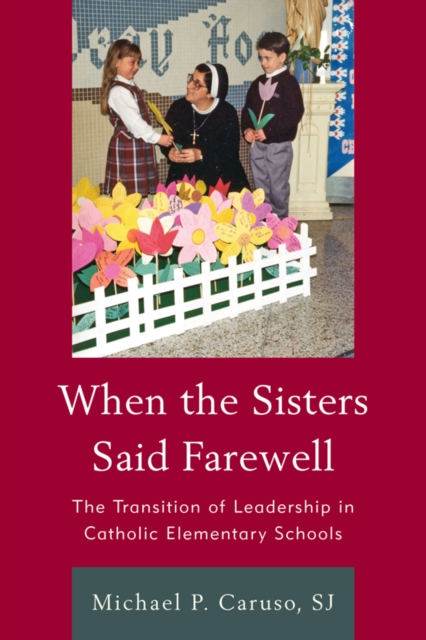
When the Sisters Said Farewell tells an important story of the contributions of Catholic elementary schools to the United States by chronicling the experiences and insights of religious women (nuns) who were the last members of their communities to serve in parish elementary schools, and of those lay men and women who were the first to serve in those roles traditionally filled by the sisters.