This lively book for introductory Old Testament classes offers an appealing illustration of how faith and academic study can work together, motivating and equipping Christian believers to turn to the Old Testament as a profound resource for their daily negotiations of faith, identity, and culture.
Estimated to date back to the very early Jesus movement, the lost Gospel known as Q offers a distinct and remarkable picture of Jesus and his significance--and one that differs markedly from that offered by its contemporary, the apostle Paul.
This new commentary in the New Testament Library series is not a systematic study of Pauline theology; rather, the aim of this study is to trace Paul's theology as it unfolds in his letter to the church at Galatia, and to attempt to illuminate, as far as possible, how the Galatians likely comprehended it, at the time they received it.
In this important addition to the Old Testament Library, now available in a new casebound edition, renowned scholar Brevard Childs writes on the Old Testament's most important theological book.
Feasting on the Gospels is a new seven-volume series that follows up on the success of the Feasting on the Word series to provide another unique preaching resource, this time on the most prominent and preached upon New Testament books, the four Gospels.
Feasting on the Gospels is a new seven-volume series that follows up on the success of the Feasting on the Word series to provide another unique preaching resource, this time on the most prominent and preached upon New Testament books, the four Gospels.
This is the first English translation of Bernd Janowski's incisive anthropological study of the Psalms, originally published in German in 2003 as KonfliktgesprA che mit Gott.
During the reigns of Saul and David as recorded in First and Second Samuel, the people of Israel experience fear, disappointment, heartache, and betrayal.
Weaving together the stories of Moses, the nation of Israel, and the God who rescues and liberates, Exodus becomes a story for our time, a story about seeking and finding a redeeming God in times of separation and sin, hopelessness and oppression.
In First Corinthians, Paul writes to a troubled church at Corinth, urging its members to live a life distinct from the ways of others, governed by the law of love, and affirming of the tenets of the faith.
In classic Interpretation Bible Studies style, Patricia Tull leads the reader through a ten-session study of the entire Old Testament books of Esther, with its stories of faithfulness, courage, and survival, and the ethical questions posed by its ending, and Ruth, with its themes of community, loyalty, and friendship.
This accessible Bible study will help to explain some of the more challenging aspects of Second Corinthians, especially by focusing on what is delightful and inspiring about the biblical book.
The Psalms speak to the depths of human experience, provoking words and images to express anger, sorrow, lament, thanksgiving, joy, and worshipful praise.
This latest volume in the Old Testament for Everyone series contains a look at the Second Temple period in Israel as well as the story of Queen Esther, who saved the Jewish people from extermination.
This collection of essays by prominent scholars surveys the ways in which the Decalogue, the Ten Commandments, has been understood and appropriated from biblical times until today.
The study of biblical Aramaic, an ancient Semitic language from which the Hebrew alphabet was derived, is necessary for understanding texts written during certain periods of early Jewish and Christian history and is especially important for the study of the books of Daniel and Ezra.
The latter half of the sixth century BCE found the Jewish community fragmented and under great strife after having been conquered by the Babylonian armies.
In this brilliant commentary, Beverly Roberts Gaventa discusses the issues central to the books of Thessalonians, identifying what makes each book important for the life of the church today, as well as for preachers and teachers.
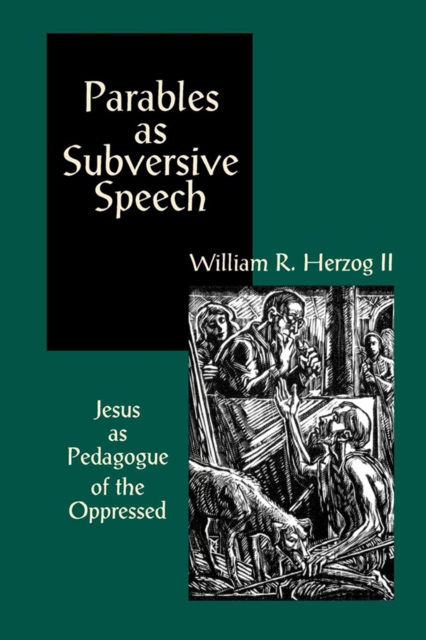
William Herzog shows that the focus of the parables was not on a vision of the glory of the reign of God but on the gory details of the way oppression served the interests of the ruling class.
This revised and enlarged edition of a classic in Old Testament scholarship reflects the most up-to-date research on the prophetic books and offers substantially expanded discussions of important new insight on Isaiah and the other prophets.