This volume of the New Testament Library offers a thorough and careful commentary on the complicated book of Hebrews, showing its meaning within the context of ancient culture and the theological development of the early church.
In this new volume in the Belief series, Amy Plantinga Pauw reveals how the biblical books of Proverbs and Ecclesiastes, while often overlooked, are surprisingly relevant for Christian faith today.
Feasting on the Gospels follows up on the success of the Feasting on the Word series with all new material on the most prominent and preached-on New Testament books, the four Gospels.
Building on the foundation of the popular volumes The Bible from Scratch: The Old Testament for Beginners and The New Testament for Beginners, Donald Griggs and Paul Walaskay offer a new study on the book of Acts.
In this accessible volume, Adele Berlin explicates the five poems of Lamentations and builds a convincing case for Lamentations' immense power to address violence and grief.
Jewish wisdom flourished under Hellenism in the books of Ben Sira and the wisdom of Solomon, as well as in a recently discovered sapiential text from Qumran.
Now available in paperback, this volume offers a close reading of the historical books of I and II Kings, concentrating on not only issues in the history of Israel but also the literary techniques of storytelling used in these books.
The Pastoral Epistles present difficult questions for the modern interpreter, including such matters as their authorship, literary characteristics, and social orientations.
Susan Niditch's commentary on the book of Judges pays careful attention to the literary and narrative techniques of the text and yields fresh readings of the book's difficult passages: stories of violence, ethnic conflict, and gender issues.
The New Testament's three letters attributed to John have always provided remarkable theological riches for the Christian tradition, including the assertion "e;God is love.
In this volume, Walter Brueggemann writes on Isaiah 1-39, which many scholars believe had a single author, Isaiah, of the eighth century BCE, who wrote in the context of the Assyrian empire between 742 and 701.
In this volume, Walter Brueggemann focuses on Second Isaiah (Isaiah 40-55), believed to be written by a second exilic poet, and Third Isaiah (Isaiah 56-66), a third group of texts that rearticulate Isaianic theology in yet another faith situation.
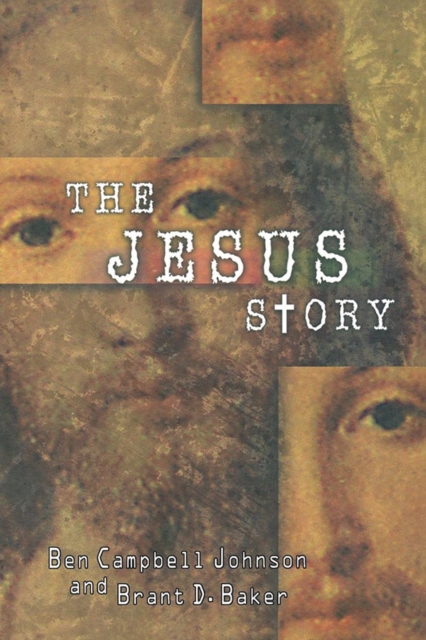
Avoiding theological jargon and using language more accessible to the lay person than that in the Bible, this book invites readers to discover for themselves what Jesus has done for the world and continues to do in the world.
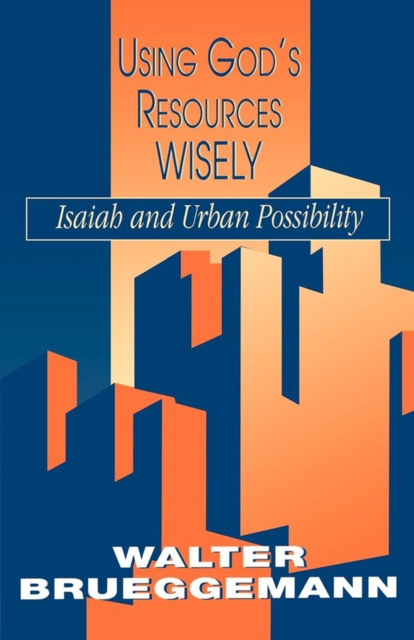
New and different readings of biblical texts are one consequence of a growing awareness of the environmental crisis and how it relates to social relations, especially in urban settings.
Throughout the history of Christianity, the book of Revelation has had an enormous influence in religion, history, and culture, and it still has an urgently needed message for the church.
Replete with some of the most familiar and beloved stories from the Bible (Adam and Eve, Noah and the Flood, Sodom and Gomorrah, and Abraham and Isaac), Genesis also tells the story of God's creation of the universe.
Building on the foundation of the popular volumes The Bible from Scratch: The Old Testament for Beginners and The New Testament for Beginners, Griggs offers a series of volumes based on the individual books of the Bible.
This seventh volume in the popular Old Testament for Everyone series tells the story of Israel when it was a monarchy, from the accession of Solomon to the exile.