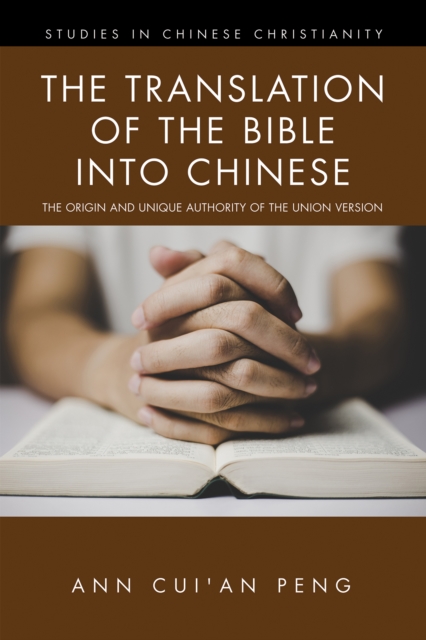
A history of the translation of the Bible into Chinese, this book tells a fascinating story beginning with Western missionaries working closely with Chinese assistants.
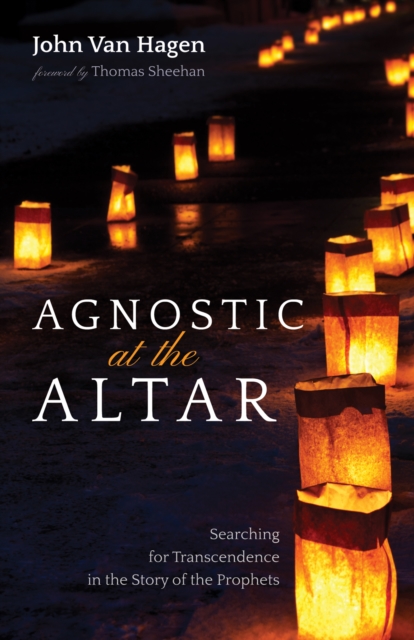
In Agnostic at the Altar, former Catholic priest and psychologist John Van Hagen engages the voices of the ancient Jewish prophets in an effort to find something of a universal voice that speaks to all people.
In order to reconcile the discrepancies between ancient and modern cosmology, confessional scholars from every viewpoint on the interpretation of the early chapters of Genesis agree that God accommodated language to finite human understanding.
This book explores a systematic bias in translating the Bible and in interpreting its teachings, which suggests that men are inherently suited to be leaders in the home, church, and community, while it is God's plan for women to submit to men's leadership.
This book challenges some long held beliefs about Christianity as we know it, detailing a great divide between Jesus of Nazareth's teachings and Christianity extending into the Middle Ages.
The Hebrew prophets of ancient Israel strove to convey God's point of view to the people and the powers at a time when injustice, deceit, malfeasance, and crushing the poor and the oppressed was prominent--much like today!
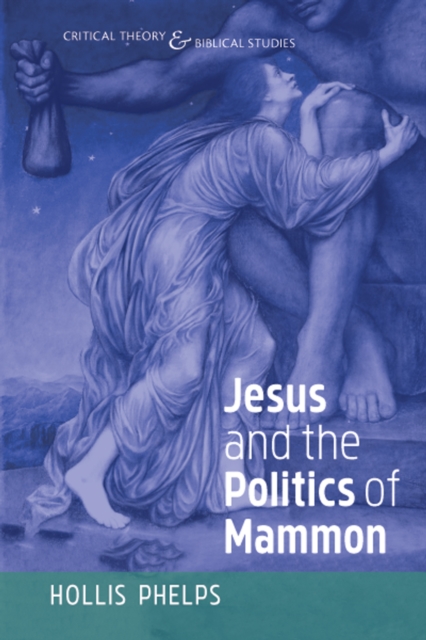
In Jesus and the Politics of Mammon, Phelps uses contemporary critical theory, continental philosophy, and theology to develop a radical reading of Jesus.
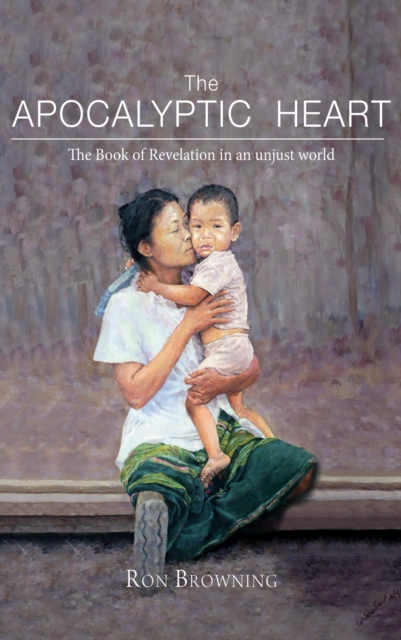
In Revelation 21-22, John offered a resplendent portrayal of a new Jerusalem without a temple, in which he seemed to reference the final chapters of Ezekiel.
In seventeenth-century France, Jeanne Guyon (1648-1717) writes about the suffering of the apocalypse followed by the consummation of the second coming.
David Wilson's initial research into the phenomenon of prophecy in the Hebrew Bible suggested that many of the passages featuring prophets, and hitherto considered to be bizarre myths (or much-edited collections of traditions) were, in fact, sequences of dreams.
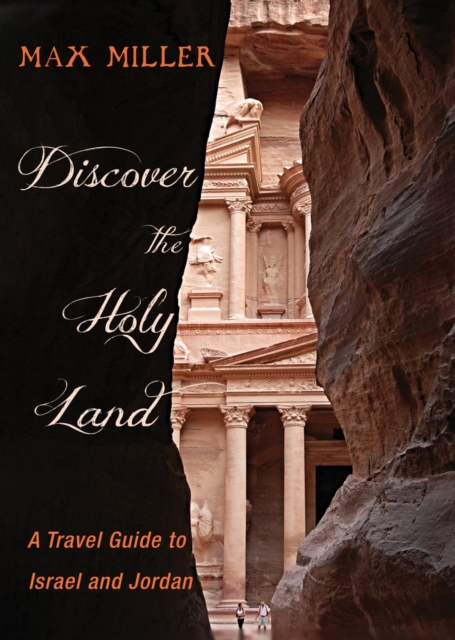
This travel guide focuses on places that Holy Land tour groups typically visit and gives major attention to connections between the Bible and the land.
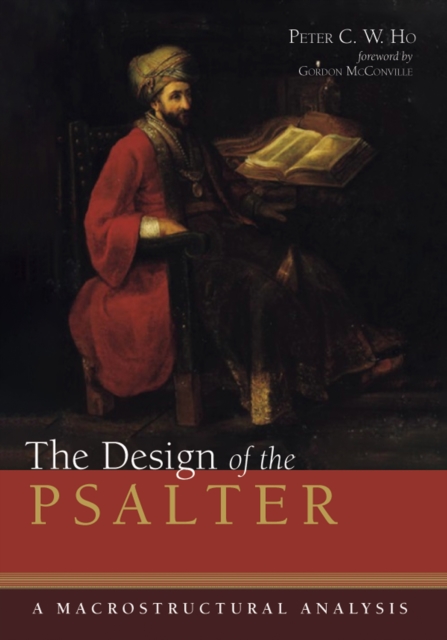
The pastor who seeks to preach expositionally through Psalms faces a daunting task, for the sermon series would take several years to complete and many of the sermons would seem repetitious because of similar psalms.
God's Saved Israel examines identity in the Pauline corpus in terms of how Paul expresses the new identity in Christ in relation to the identity of ancient Israel.
The good news (euangelion) of the crucified and risen Messiah was proclaimed first to Jews in Jerusalem, and then to Jews throughout the land of Israel.
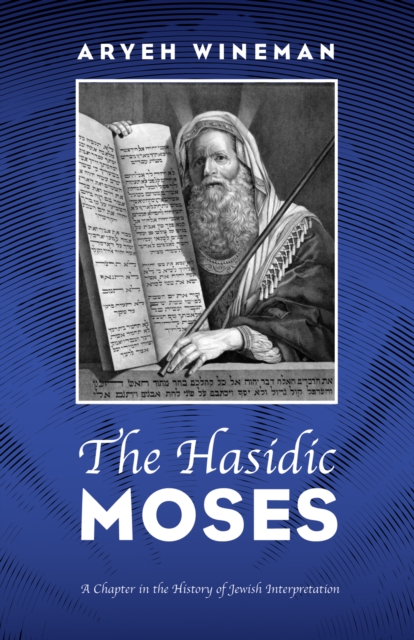
In The Hasidic Moses, Aryeh Wineman invites readers to join him on a journey through various eighteenth- and nineteenth-century Hasidic texts that interpret the life of Moses.
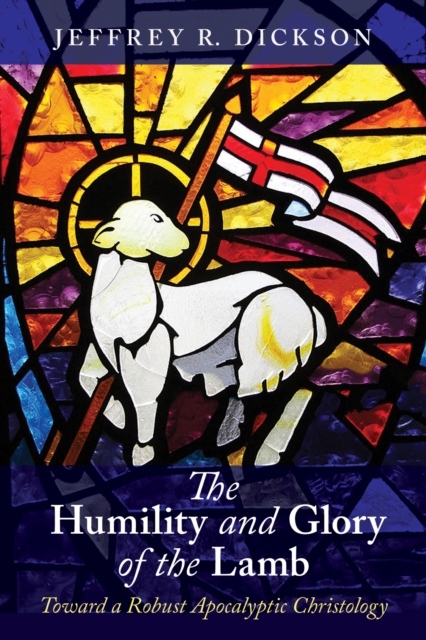
Although the Apostle John endorses "e;Lamb"e; twenty-nine times in his Apocalypse and employs a term that is used only one other time in the New Testament to this end, this unique title and its sophisticated christological implications has only received cursory attention both historically and more recently.