Paul on Identity shows the inner connection in Paul's view of three distinct issues that all focus on identity: What defines the fundamental "e;Christ identity"e; for which Paul argues?
In the spring of 2020, as the coronavirus pandemic disrupted classrooms around the world, teachers scrambled to convert their lectures and presentations into a format more conducive to online and distance learning.
George Tyrrell insisted that the quest for the historical Jesus was no more than scholars staring into a well to see their own reflections staring back.
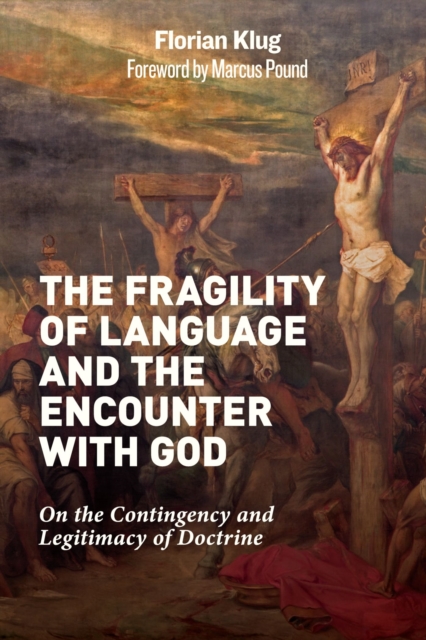
Drawing on recent philosophical developments in hermeneutics and poststructuralism, The Fragility of Language and the Encounter with God offers a theological account of the contingency of language and perception and of how acknowledging that contingency transforms the perennial theological question of the development of doctrine.
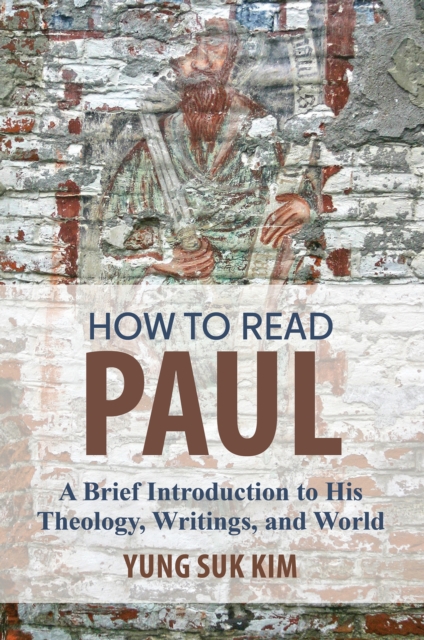
How to Read Paul provides an incisive, yet brief, examination of Paul as a writer and theologian steeped in the cultural, intellectual, and religious crossroads of the ancient world.
Comedians tend to view the world somewhat askew or askance, and that view--a kind of hermeneutical lens for discerning the comedic in daily life--serves to frame, reframe, and even de-frame reality.
This book about Luther's theology is written out of a twofold conviction: first, that many of our problems have arisen because we have not really understood our own traditions, especially in the case of Luther; and second, that there is still a lot of help for us in someone like Luther if we take the trouble to probe beneath the surface.
This groundbreaking volume presents a new translation of the text and detailed interpretation of almost every word or phrase in the book of Judges, drawing from archaeology and iconography, textual versions, biblical parallels, and extrabiblical texts, many never noted before.
Christology with a planetary vision, blurring the boundaries and breaking the rhetoric of polarities of domination and exclusion, is the need of the hour.
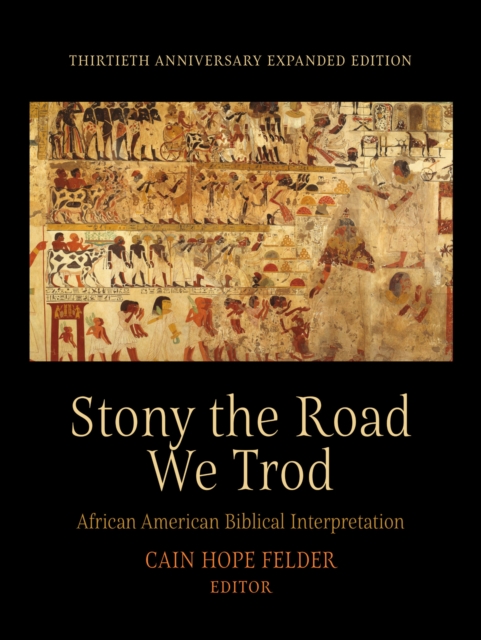
The publication of Stony the Road We Trod thirty years ago marked the emergence of a critical mass of Black biblical scholars--as well as a distinct set of hermeneutical concerns.
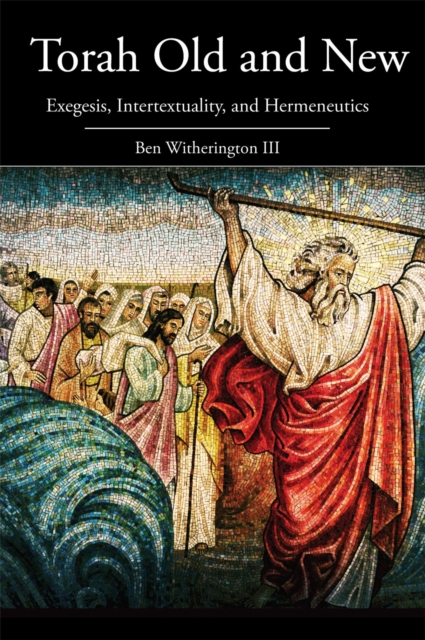
Reading the books of the Law, the Pentateuch, in their original context is the crucial prerequisite for reading their citation and use in later interpretation, including the New Testament writings, argues Ben Witherington III.
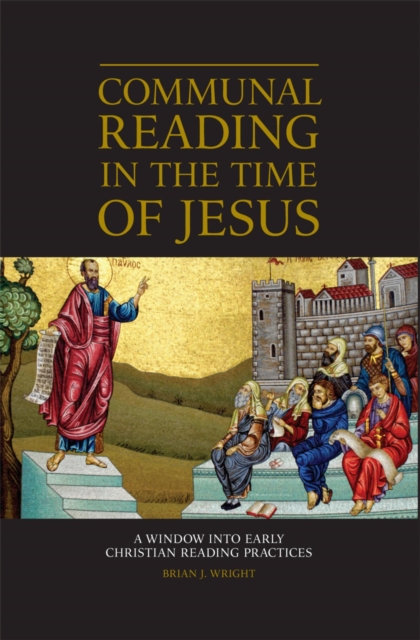
Much of the contemporary discussion of the Jesus tradition has focused on aspects of oral performance, storytelling, and social memory, on the premise that the practice of communal reading of written texts was a phenomenon documented no earlier than the second century CE.
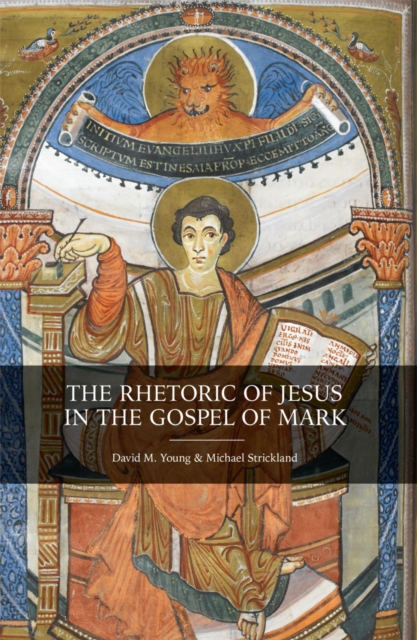
Young and Strickland analyze the four largest discourses of Jesus in Mark in the context of Greco-Roman rhetoric in an attempt to hear them as a first-century audience would have heard them.
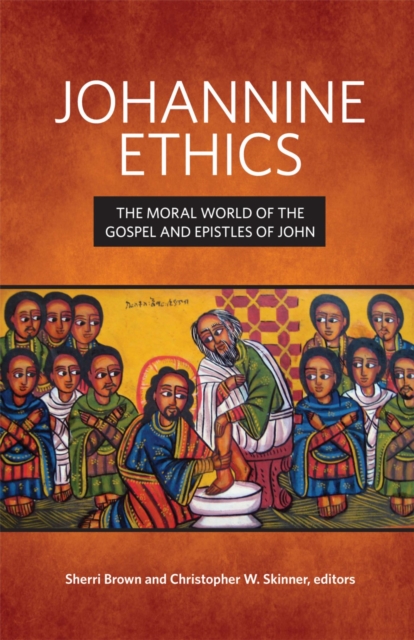
The Gospel and Epistles of John are often overlooked in discussions of New Testament ethics; indeed, it has been asserted that the Fourth Gospel is of only limited value to such discussions--even that John is practically devoid of ethical material.
The prophet Haggai advocated for the rebuilding of the temple, destroyed by Babylon, in the tumultuous period of reconstruction under Persian dominion; so much is evident from a surface reading of the book .
The India Commentary on the New Testament (ICNT) series aims to give a well-informed exposition of the meaning of the text and relevant reflections in everyday language from a contemporary Indian context.
If the 1960s were a watershed in American politics, they were no less formative a period in political theology, as figures like Jacques Ellul, Karl Barth, Walter Wink, Daniel and Philip Berrigan, and William Stringfellow shed new light on the biblical language of "e;the powers.
In Called into the Mission of God, Roji George argues that Paul's primary interest was neither doctrinal teaching nor the articulation of an anti-imperial discourse.
The story of the binding of Isaac presents problems and opportunities for people who seek to live faithfully in relationship with a God who surpasses our understanding.
In this groundbreaking work to identify and address God's absence in three key rape narratives in the Hebrew Bible, Leah Rediger Schulte finds a pattern that indicates a larger community crisis.
It is clear that according to Matthew’s Gospel, Jesus came to “save his people from their sins” (1:21), to “give his life as a ransom for many” (20:28), to have his blood “poured out for many for the forgiveness of sins” (26:28).
This book combines a rich description of the (Lutheran) Formula of Concord (1577) with experiences in today's Lutheran parishes to demonstrate how confessional texts may still come to life in modern Christian congregations.
Biblical Interpretation in the Early Church is part of Ad Fontes: Early Christian Sources, a series designed to present ancient Christian texts essential to an understanding of Christian theology, ecclesiology, and practice.