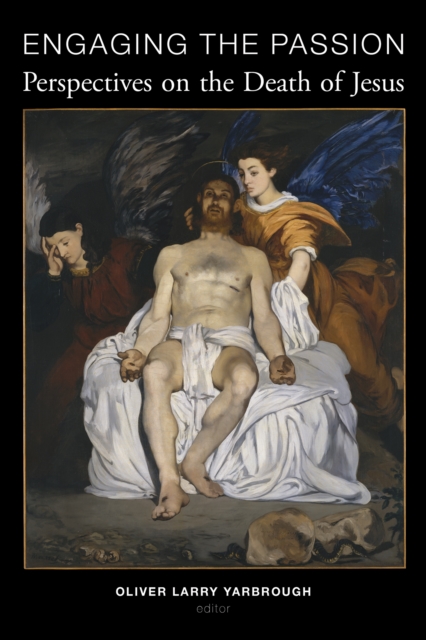
Beneath the commonplace affirmation that Jesus “paid for our sins” lie depths of implication: did God demand a blood sacrifice to assuage divine anger?
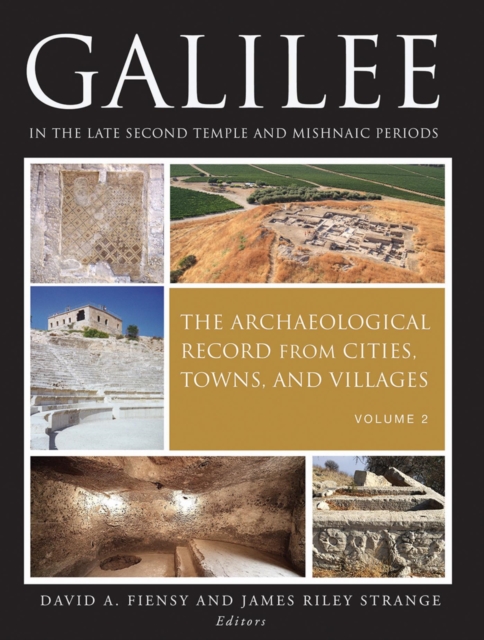
This second of two volumes on Galilee in the Late Second Temple and Mishnaic Periods focuses on the site excavations of towns and villages and what these excavations may tell us about the history of settlement in this important period.
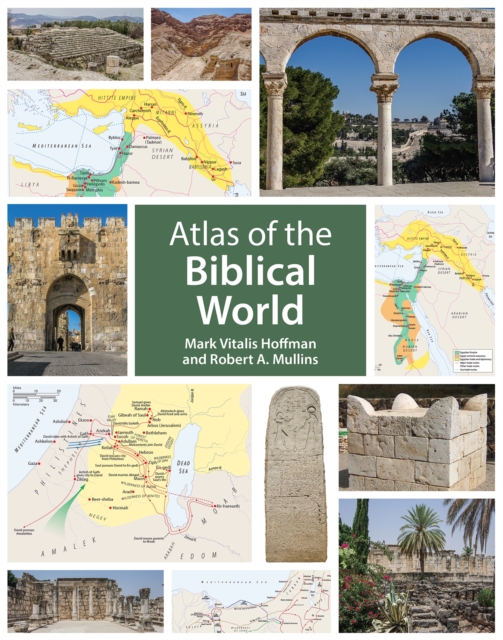
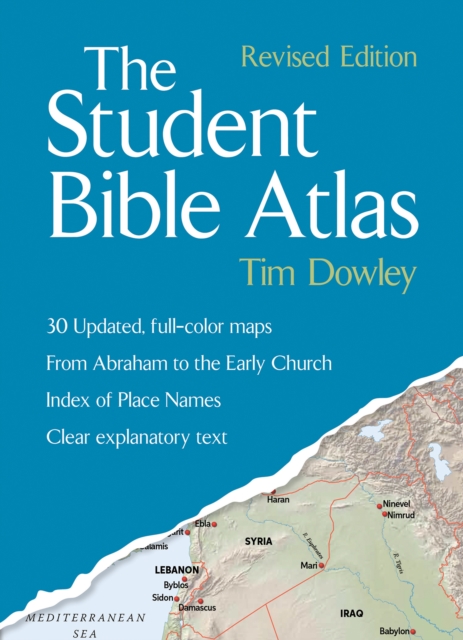
Based on the latest current scholarship, Atlas of the Biblical World features striking full-color maps and insightful commentary to make the ancient biblical world come alive.
p>Each volume in the Insights series discusses discoveries and insights gained into biblical texts from a particular approach or perspective in current scholarship.
Each volume in the Insights series discusses discoveries and insights gained into biblical texts from a particular approach or perspective in current scholarship.
Each volume in the Insights series presents discoveries and insights into biblical texts from a particular approach or perspective in current scholarship.
What this book does aim to do is to encourage the asking of questions, knowing that it is not possible to obtain all the answers, allowing for an encounter with God in the spaces in between.
In Engaging the Passion, Oliver Larry Yarbrough has gathered an impressive array of scholars to survey the wealth of ways in which the death of Jesus has been portrayed and represented in Scripture, liturgy and music, literature, art and film, theology, and ethics.
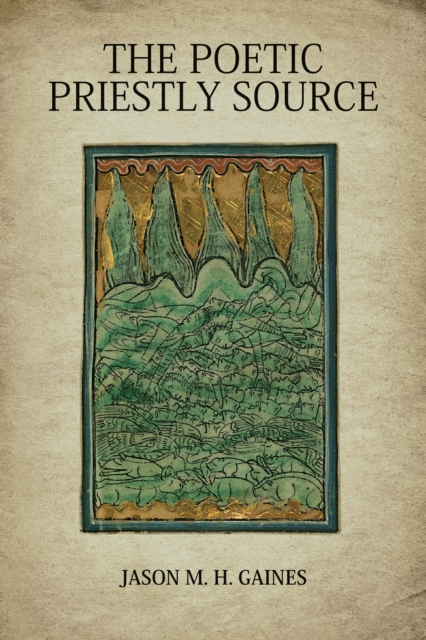
Much of scholarly research on the Pentateuch has revolved around the question of sources and how they might be identified by differences in vocabulary, theme, and characterization.
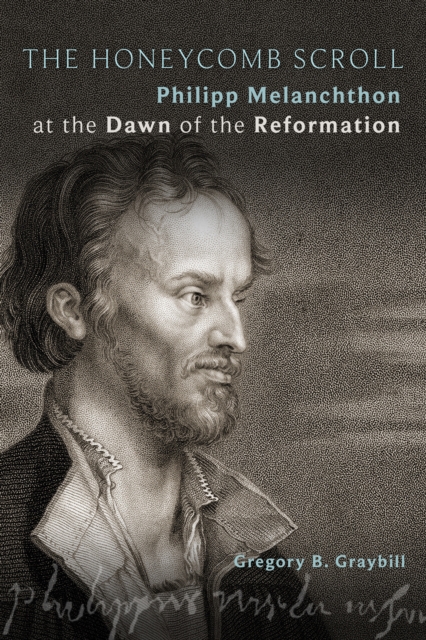
Long overshadowed by Luther and Calvin, Philipp Melanchthon (1497–1560) is one of the most important figures in the Protestant Reformation and had profound effect on Western church history.
Innovation within Tradition is an exploration of the meaning and implications of Joseph Ratzinger’s biblical interpretation of the women of salvation history.
Understanding and Using the Bible is an engaging and exciting introduction to biblical methods and practices of study, edited by two trusted teachers in collaboration with a diverse array of contributors.
Ambra Suriano analyses the narrator's techniques, exploring the influence of the readers' understanding and playing with their interpretative freedom in recounting particular episodes in the Book of Genesis.
Scholarly interest in print culture and in the study of religion in modern China has increased in recent years, propelled by maturing approaches to the study of cultural history and by a growing recognition that both were important elements of China's recent past.
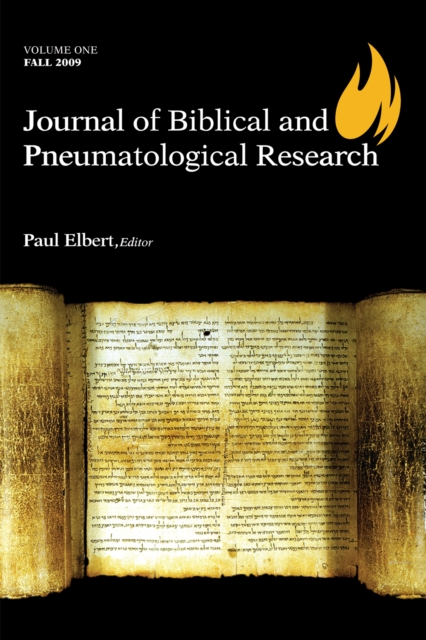
Journal of Biblical and Pneumatological ResearchVOLUME ONE FALL 2009 The Journal of Biblical and Pneumatological Research (JBPR) is a new international peer-reviewed academic serial dedicated to narratively and rhetorically minded exegesis of biblical and related texts.
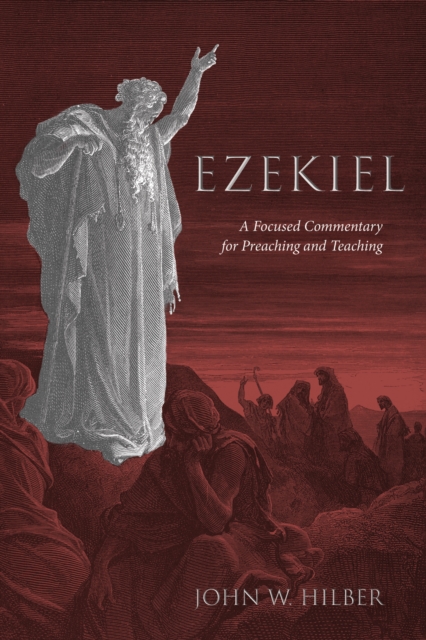
The primary goal of this commentary is to focus attention on what mattered most to Ezekiel and to craft a direction and scope of application that the prophet himself would recognize were he to preach to God's people today.
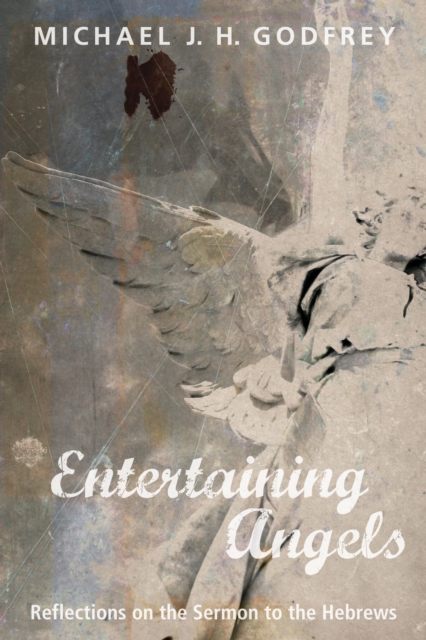
The New Testament book of Hebrews offers some of the most memorable passages of Scripture on perseverance, faith, rest, the word of God, angels, divine discipline, salvation, the city of God, and Christ, Son and High Priest.
Though many Old Testament scholars prefer no longer to speak of the Elohist source in the Pentateuch, Gnuse seeks to defend the existence of this pentateuchal tradition by responding to scholarly critics, isolating texts belonging to the source and offering a theological assessment of these texts.
Theopoetics is a plea for a more fully human way of speaking about God in the twenty-first century, a way that offers new life to dry and dying platitudes.