The genre of biblical commentary is as old as the Bible itself, and remains very much alive as a point of illuminating contact between the ancient text and its modern readers.
This book's findings are rich and intriguing: In his death, Jesus--the chief architect in the production of space in the Christian realm--founds an alternative community that reorders space and creates a new reality for believers.
When our Father of Faith is tempted to sacrifice his sense of humor on the Altar of God's Demands, God intervenes in a surprising way that really makes Abe laugh.
Journal of Biblical and Pneumatological ResearchVOLUME TWO FALL 2010 The Journal of Biblical and Pneumatological Research (JBPR) is a new international peer-reviewed academic serial dedicated to narratively and rhetorically minded exegesis of biblical and related texts.
Solomon's idolatry, his murder of his political enemies, and his role in the breakup of the kingdom, which are bluntly presented in Kings, are omitted in Chronicles.
Since the time of Jerome, scholars have tried to explain why John the Baptist asks Jesus if he is "e;the one who is to come"e; (Matt 11:2-6; Luke 7:18-23) after he had apparently identified him as "e;the lamb of God"e; (John 1:29-34).
A challenging and comprehensive study of the Holy Spirit in Luke-Acts; of special interest to those studying Lucan pneumatology or New Testament pneumatology.
Journal of Biblical and Pneumatological ResearchVOLUME ONE FALL 2009 The Journal of Biblical and Pneumatological Research (JBPR) is a new international peer-reviewed academic serial dedicated to narratively and rhetorically minded exegesis of biblical and related texts.
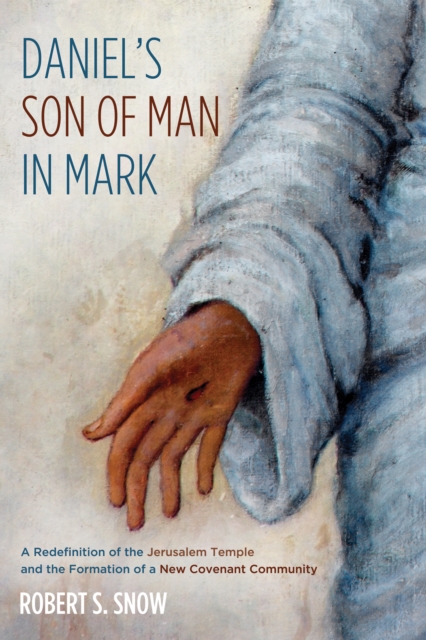
Through the use of current intertextual methods and narrative criticism, this book offers a fresh examination of the Son of Man in Mark, developing the conclusions of Morna Hooker's 1967 work, The Son of Man in Mark: A Study of the Background of the Term "e;Son of Man"e; and Its Use in St.
Intriguing and eye-opening interpretations of the most scandalous Bible stories that are puzzling and even shocking, maybe not even worthy of being in the Bible.
Believing that the needs of beleaguered Christian communities in turbulent times would be best met by resourcing the life of Jesus, Mark wrote a Gospel that was at once plain and subtle, fast-paced and yet profound.
Textuality and the Bible represents a concerted effort to clarify the object of study in biblical scholarship and in the church by bringing together the disciplines of hermeneutics, compositional analysis, canon studies, and textual criticism.
The most extensive royal accounts in the Hebrew Bible are those of kings David (the "e;Succession Narrative,"e; usually identified as 2 Sam 9-20 and 1 Kgs 1-2) and Solomon (the "e;Solomon Story,"e; 1 Kgs 3-11).
This book explores the place of Jerusalem and its Temple in Luke's Gospel, paying attention both to the Third Gospel's narrative and theological dynamics and to the historical and rhetorical milieu in which Luke composed his narrative.
The idea of determinate or single meaning in biblical interpretation has long been considered to be a purely modern idea, indissolubly wedded to the hermeneutics of historical criticism.
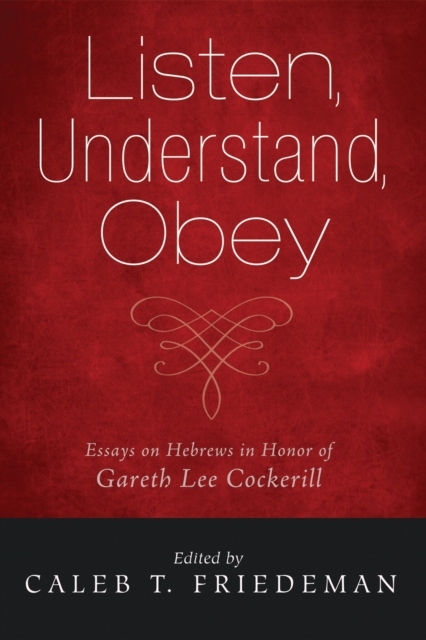
This volume brings together a diverse group of scholars, including biblical, systematic, and historical theologians, to honor Gareth Lee Cockerill, longtime professor of New Testament at Wesley Biblical Seminary (Jackson, MS) and distinguished scholar of the book of Hebrews.
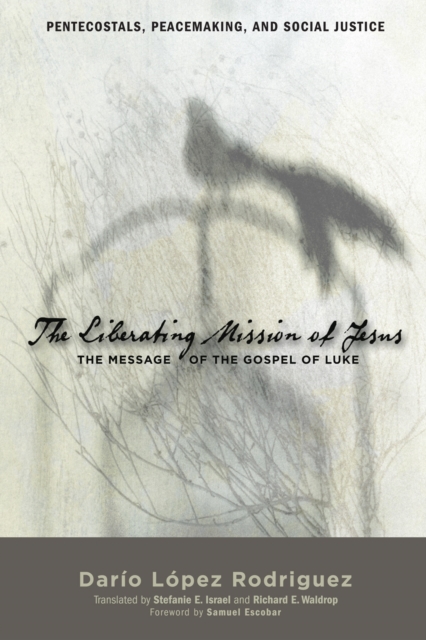
The Liberating Mission of Jesus deals with the central message of the Gospel of Luke, provocatively arguing that the liberating mission of Jesus has two central themes: the universality of the love of God and the special love God has for the defenseless of society.
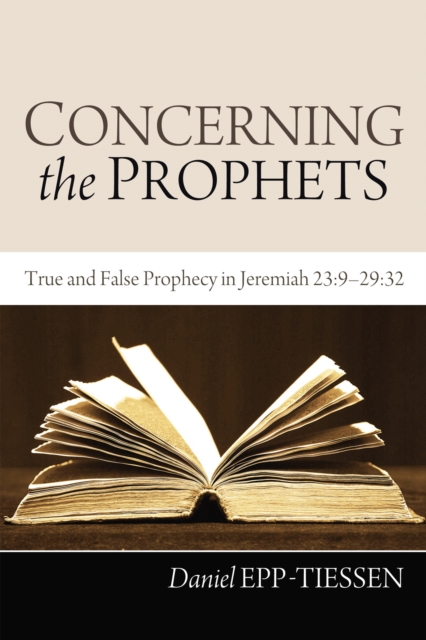
Epp-Tiessen sheds light on the compositional history, structure, and theology of the book of Jeremiah by demonstrating that a large concentric unit of material focusing on true and false prophecy stands at the center of the book.
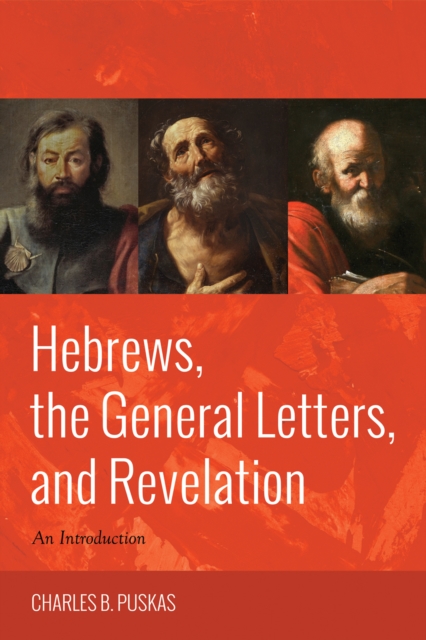
Most New Testament (NT) introductions, because of page limitations and other reasons, tend to minimize their treatment of the last nine books of the Christian Bible (from Hebrews to Revelation).
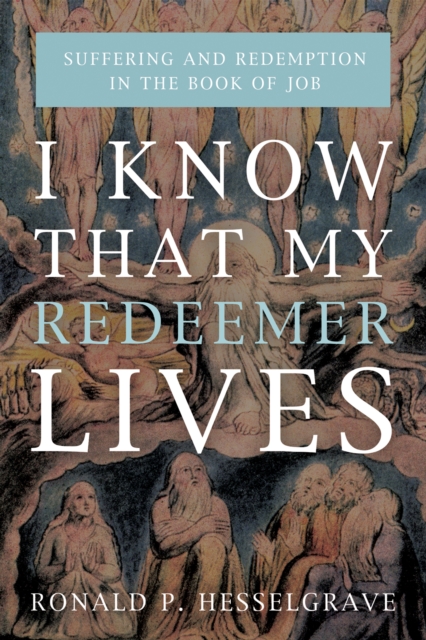
Due to the complexity of the speech-cycles in the book of Job, scholars have struggled to resolve interpretive tensions in the author's characterization of Job's three friends.
Luke-Acts is an impressive two-volume narrative seeking to convince and engage readers regarding the spiritual impact of Jesus of Nazareth on the Jewish people and other nations.
The Hebrew scriptures, called Tanakh or simply Bible by Jews and the Old Testament by Christians, contain the original sources of western religious traditions.