"The Old Testament as Authoritative Scripture in the Early Churches of the East" represents the latest scholarly research in the field of Old Testament as Scripture in Eastern Christianity.
Recent interest in the person and work of James of Jerusalem and in the community he led has sometimes put the apostle Paul in a negative light—a reversal of the more usual pattern in Protestantism, where Paul is the shining light and James is thrust into the shadows.
A number of disciplines aligned under "e;cultural criticism"e; have changed the shape of contemporary biblical studies not only by offering new methods but by questioning old goals and proposing new ones.
The self-emptying of Christ (kenosis) in Philippians 2 has long been the focus of attention by Christian theologians and interpreters of Paul's Christology.
This first volume in the series Christian Origins and the Question of God provides a historical, theological, and literary study of first-century Judaism and Christianity.
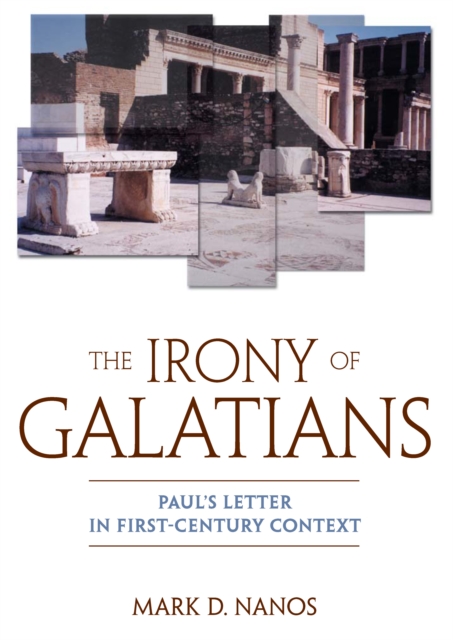
Intra-Jewish conflict in Paul's communitiesAfter taking on traditional interpretations of Romans in (The Mystery of Romans, Nanos now turns his attention to the Letter to the Galatians.
Third wave womanism is a new movement within religious studies with deep roots in the tradition of womanist religious thoughtwhile also departing from it in key ways.
It is the purpose of the present volume to show that intelligent Christians have a reasonable ground for concluding that the text of the Old Testament which we have is substantially correct, and that, in its true and obvious meaning, it has a right to be considered a part of the "e;infallible rule of faith and practice"e; that we have in the Holy Scriptures.
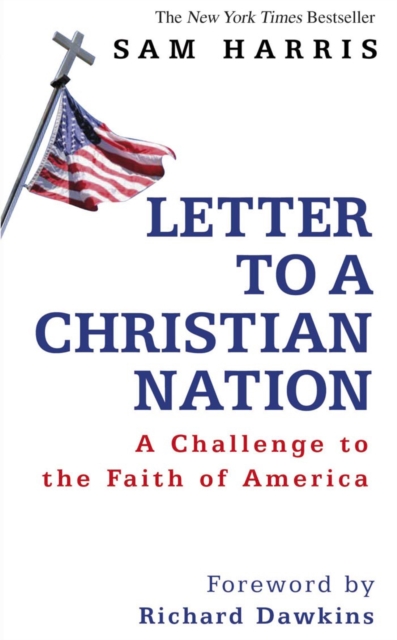
"e;A hard-hitting polemic against religious fundamentalism"e; - Foreword by Richard Dawkins' Thousands of people have written to tell me that I am wrong not to believe in God.
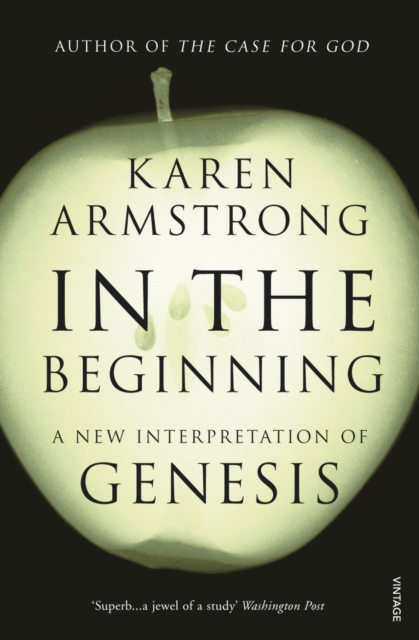
The foundation stone of Jewish and Christian scriptures, the power of the Book of Genesis lies in its stories - Creation, the Fall, Cain and Abel, Noah, Abraham, Jacob and Joseph.
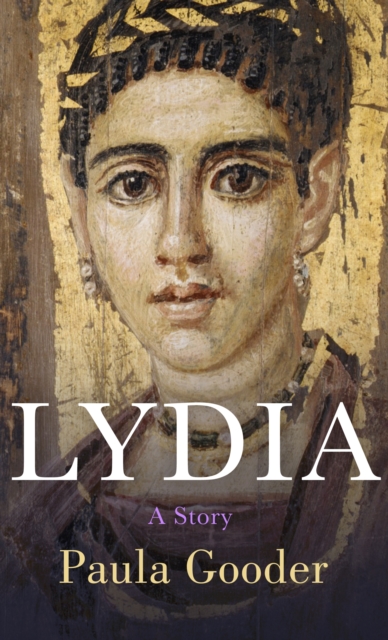
Winner - CRT Christian Book of the Year, 2023The New Testament tells us very little about Lydia, a seller of purple cloth who was living in Philippi when she met the apostle Paul on his second missionary journey.
Written by Alister McGrath, one of Britain's most admired and insightful biblical scholars, the NIV Bible Handbook is designed to be read alongside the New International Version as a comprehensive guide to Scripture.
Rob Parsons explains how to cope with this often disruptive period in a family's life and how to continue feeling close to your teenagers as they grow up and become increasingly independent.
As the leading book in its field, Religion and Ethnicity in Canada has been embraced by scholars, teachers, students, and policy makers as a breakthrough study of Canadian religio-ethnic diversity and its impact on multiculturalism.
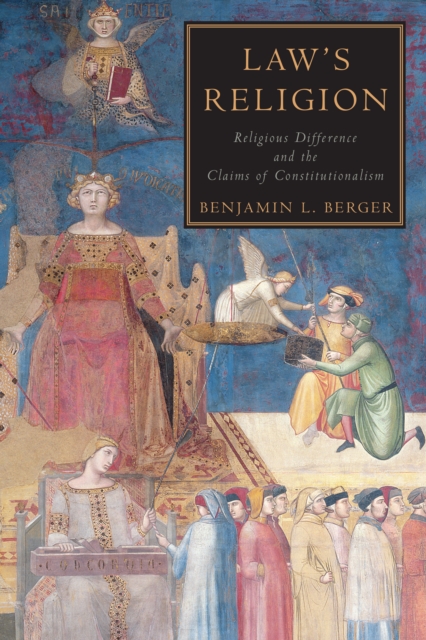
Prevailing stories about law and religion place great faith in the capacity of legal multiculturalism, rights-based toleration, and conceptions of the secular to manage issues raised by religious difference.
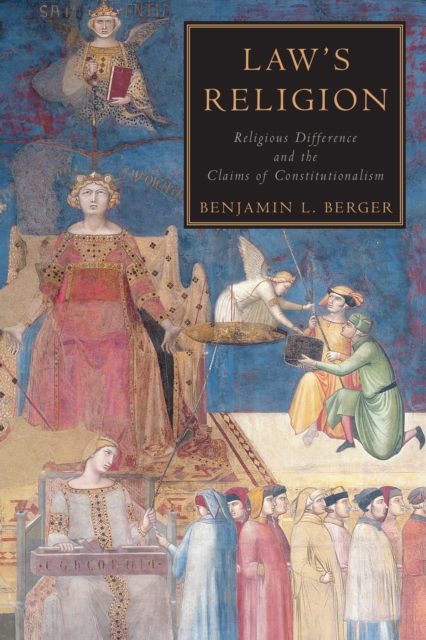
Prevailing stories about law and religion place great faith in the capacity of legal multiculturalism, rights-based toleration, and conceptions of the secular to manage issues raised by religious difference.
As the leading book in its field, Religion and Ethnicity in Canada has been embraced by scholars, teachers, students, and policy makers as a breakthrough study of Canadian religio-ethnic diversity and its impact on multiculturalism.
In the wake of 9/11, and with ongoing wars and tensions in the Middle East, questioning contemporary connections between and among religion, identity, and global governance is an exercise that is both important and timely.
This volume is the first in a series which provides a fundamental resource for feminist biblical scholarship, containing a comprehensive selection of essays, both reprinted and specially written for the series, by leading feminist scholars.
Kabbalah: A Guide for the Perplexed is a concise and accessible introduction to the major elements of the prevalent metaphysical system of Judaism, Kabbalah.
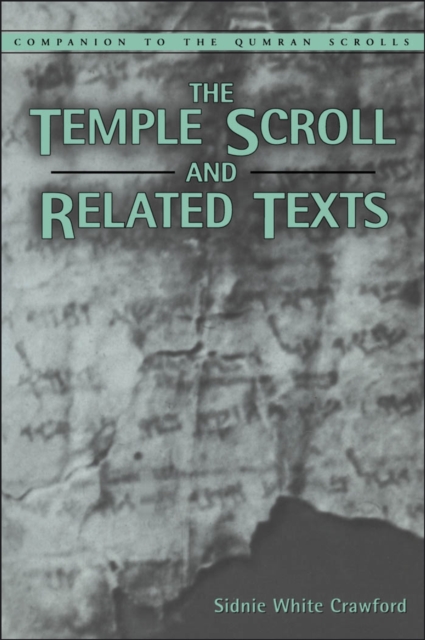
The Temple Scroll and Related Texts, one of the series Companion to the Qumran Scrolls, is a comprehensive roadmap to the Temple Scroll, the longest and one of the most complex of the manuscripts from Qumran.
Kabbalah: A Guide for the Perplexed is a concise and accessible introduction to the major elements of the prevalent metaphysical system of Judaism, Kabbalah.
While the Wisdom volume in the first Feminist Companion series investigated multiple aspects of characterizations of women found in Wisdom literature, the 13 essays in this volume move beyond the study of the characterization of females that formed one of the first steps of modern feminist criticism-the recovery of what had been ignored or trivialized by androcentric readings dominant through the centuries.
In this groundbreaking study Avi Sagi outlines a broad spectrum of answers to important questions presented in Jewish literature, covering theological issues bearing on the meaning of the Torah and of revelation, as well as hermeneutical questions regarding understanding of the halakhic text.
Shepherd's Notes- Christian Classics Series is designed to give readers a quick, step by step overview of some of the enduring treasures of the Christian faith.