A Social History of Christian Origins explores how the theme of the Jewish rejection of Jesus - embedded in Paul's letters and the New Testament Gospels - represents the ethnic, social, cultural, and theological conflicts that facilitated the construction of Christian identity.
A Social History of Christian Origins explores how the theme of the Jewish rejection of Jesus - embedded in Paul's letters and the New Testament Gospels - represents the ethnic, social, cultural, and theological conflicts that facilitated the construction of Christian identity.
In this book Rowlands interrogates the theological and philosophical foundations of the 'Quest' for the historical Jesus, from Reimarus to the present day, culminating in a call for greater metaphysical transparency and diversity in the discipline.
In this book Rowlands interrogates the theological and philosophical foundations of the 'Quest' for the historical Jesus, from Reimarus to the present day, culminating in a call for greater metaphysical transparency and diversity in the discipline.
Zeus Syndrome: A Very Short History of Religion-Based Masculine Domination is a critical assessment of the biblical concepts of gender hierarchy and the intersection of sex/gender, power, and religion.
Zeus Syndrome: A Very Short History of Religion-Based Masculine Domination is a critical assessment of the biblical concepts of gender hierarchy and the intersection of sex/gender, power, and religion.
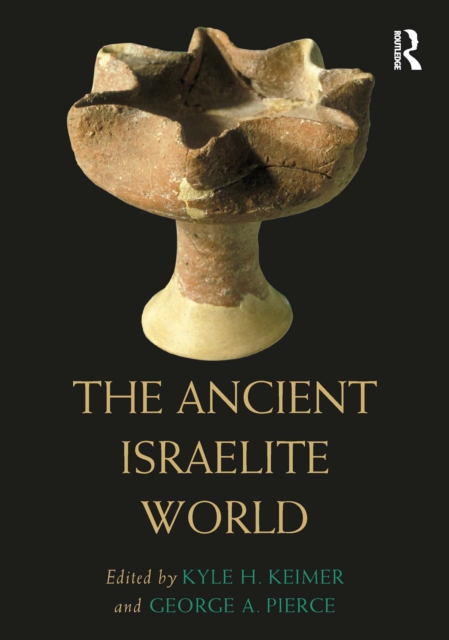
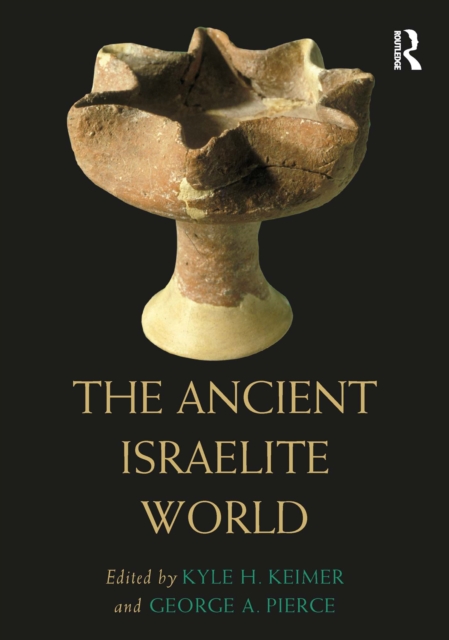
This volume presents a collection of studies by international experts on various aspects of ancient Israels society, economy, religion, language, culture, and history, synthesizing archaeological remains and integrating them with discussions of ancient Near Eastern and biblical texts.
This volume presents a collection of studies by international experts on various aspects of ancient Israels society, economy, religion, language, culture, and history, synthesizing archaeological remains and integrating them with discussions of ancient Near Eastern and biblical texts.
Biblical studies is increasingly interdisciplinary and frequently focuses on how the Bible is read, received, and represented in the contemporary world, including in politics, news media, and popular culture.
Biblical studies is increasingly interdisciplinary and frequently focuses on how the Bible is read, received, and represented in the contemporary world, including in politics, news media, and popular culture.
In the attempts to unify divided peoples on the basis of a shared past, both historical and mythical, this book illumines aspects of cultural nationalism common since the Middle Ages.
In the attempts to unify divided peoples on the basis of a shared past, both historical and mythical, this book illumines aspects of cultural nationalism common since the Middle Ages.
This book shows how Chinese wisdom originating many centuries ago is still highly relevant to our lives today as the Daoist classics provide insightful prescriptions on how to live a life full of happiness, contentment, and healthy longevity.
This book deals with the history of pre-Islamic Arab society and the emergence of Islam, as reflected in hadith, adab, historical, genealogical and exegetical literature.
This book, first published in 1912, is an English translation of The Diamond Sutra from the Chinese text of Kumarajiva, one of the most metaphysical of the works ascribed to Buddha.
This book, first published in 1912, is an English translation of The Diamond Sutra from the Chinese text of Kumarajiva, one of the most metaphysical of the works ascribed to Buddha.
Plato's Timaeus and the Biblical Creation Accounts argues that the creation of the world in Genesis 1 and the story of the first humans in Genesis 2-3 both draw directly on Plato's famous account of the origins of the universe, mortal life and evil containing equal parts science, theology and myth.
Plato's Timaeus and the Biblical Creation Accounts argues that the creation of the world in Genesis 1 and the story of the first humans in Genesis 2-3 both draw directly on Plato's famous account of the origins of the universe, mortal life and evil containing equal parts science, theology and myth.
As #MeToo and its sister movement #ChurchToo demonstrated, sexual violence is systemic in many and varied workplace settings, including Christian churches, and can destroy women's careers and vocational aspirations.
As #MeToo and its sister movement #ChurchToo demonstrated, sexual violence is systemic in many and varied workplace settings, including Christian churches, and can destroy women's careers and vocational aspirations.
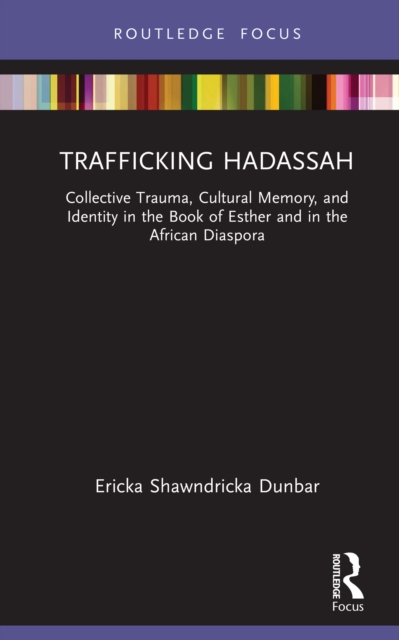
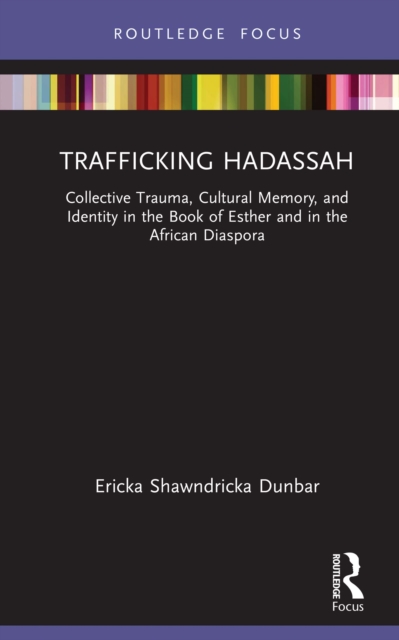
The representation of sexual trafficking in the book of Esther has parallels with the cultural memories, histories, and materialized pain of African(a) girls and women across time and space, from the Persian Empire, to subsequent slave trade routes and beyond.
The representation of sexual trafficking in the book of Esther has parallels with the cultural memories, histories, and materialized pain of African(a) girls and women across time and space, from the Persian Empire, to subsequent slave trade routes and beyond.
Originally published in 1973, this volume consists of a sequence of essays in religious thinking, responsive to the impact of Quranic style and emphasis.
Originally published in 1973, this volume consists of a sequence of essays in religious thinking, responsive to the impact of Quranic style and emphasis.
This book explores the early Jewish understanding of divine knowledge as divine presence, which is embodied in major biblical exemplars, such as Adam, Enoch, Jacob, and Moses.
This book explores the early Jewish understanding of divine knowledge as divine presence, which is embodied in major biblical exemplars, such as Adam, Enoch, Jacob, and Moses.
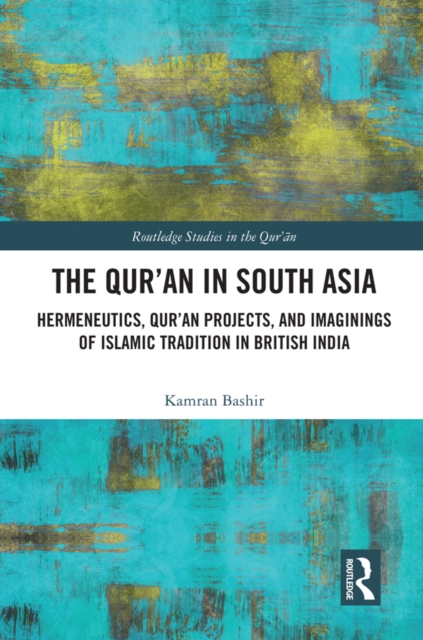
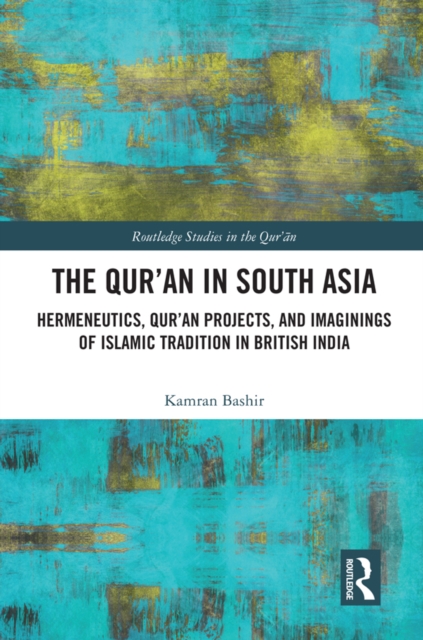
The book investigates modern Qur'an commentaries in South Asia and engages with how Muslim scholars have imagined and assessed their past intellectual heritage.
The book investigates modern Qur'an commentaries in South Asia and engages with how Muslim scholars have imagined and assessed their past intellectual heritage.
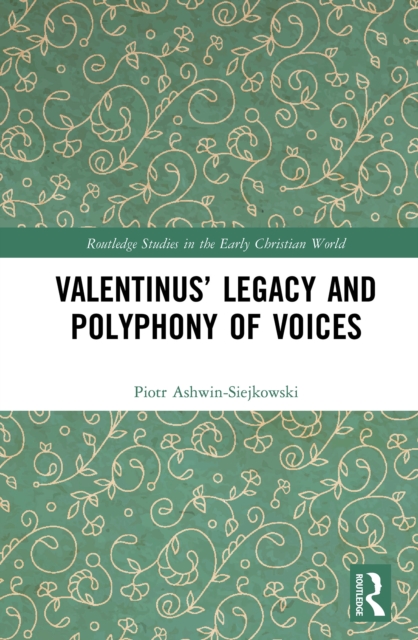
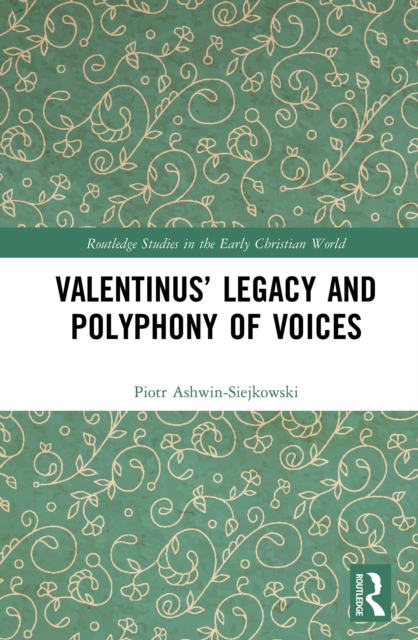
This book challenges the popular use of 'Valentinian' to describe a Christian school of thought in the second century CE by analysing documents ascribed to 'Valentinians' by early Christian Apologists, and more recently by modern scholars after the discovery of codices near Nag Hammadi in Egypt.
This book challenges the popular use of 'Valentinian' to describe a Christian school of thought in the second century CE by analysing documents ascribed to 'Valentinians' by early Christian Apologists, and more recently by modern scholars after the discovery of codices near Nag Hammadi in Egypt.
This volume examines biblical wisdom literature both in its historical context and as it relates to a host of contemporary themes, including overcoming social divisions, reading from a place of inclusion, healing from trauma, and challenging religious attitudes toward climate change and animals.
This volume examines biblical wisdom literature both in its historical context and as it relates to a host of contemporary themes, including overcoming social divisions, reading from a place of inclusion, healing from trauma, and challenging religious attitudes toward climate change and animals.