The Hebrew Torah was translated into Greek in Alexandria by Jewish scholars in the third century BCE, and other 'biblical' books followed to form the so-called Septuagint.
This study draws upon the resources of both contemporary analytic theology and the theological interpretation of the New Testament in order to investigate a set of important issues in Christology.
Encountering Eve's Afterlives: A New Reception Critical Approach to Genesis 2-4 aims to destabilize the persistently pessimistic framing of Eve as a highly negative symbol of femininity within Western culture by engaging with marginal, and even heretical, interpretations that focus on more positive aspects of her character.
This study brings three different kinds of readers of the Gospel of John together with the theological goal of understanding what is meant by Incarnation and how it relates to Pascha, the Passion of Christ, how this is conceived of as revelation, and how we speak of it.
A 1963 report on tradition from the Faith and Order Commission of the World Council of Churches signalled a substantial convergence between the churches over Christian tradition and its relationship to Scripture.
The Hiddenness of God addresses the problem of divine hiddenness which concerns the ambiguity of evidence for God's existence, the elusiveness of God's comforting presence, the palpable and devastating experience of divine absence and abandonment, and more; phenomena which are hard to reconcile with the idea, central to the Jewish and Christian scriptures, that there exists a God who is deeply and lovingly concerned with the lives of humans.
Inspiration: Towards a Christian Interpretation of Biblical Inspiration anchors its study of inspiration firmly in the Scriptures and examines the inspired nature of the Bible and its inspiring impact.
A Redactional Study of the Book of Isaiah 13-23 argues that a series of programmatic additions were made to the oracles concerning the nations in Isaiah 13-23 during the late-exilic period by the same circle of writers who were responsible for Isaiah 40-55.
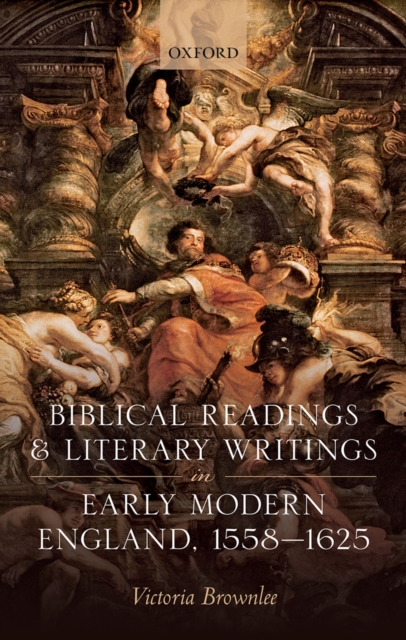
The Bible had a profound impact on early modern culture, and bible-reading shaped the period's drama, poetry, and life-writings, as well as sermons and biblical commentaries.
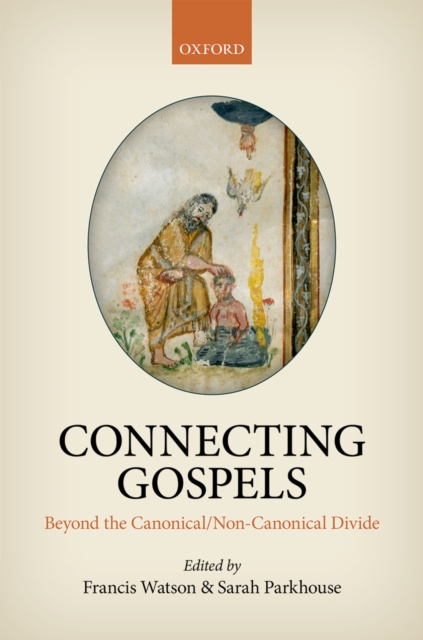
By the late second century, early Christian gospels had been divided into two groups by a canonical boundary that assigned normative status to four of them while consigning their competitors to the margins.
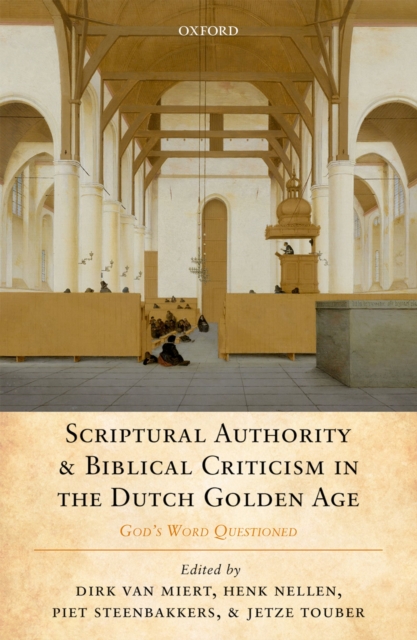
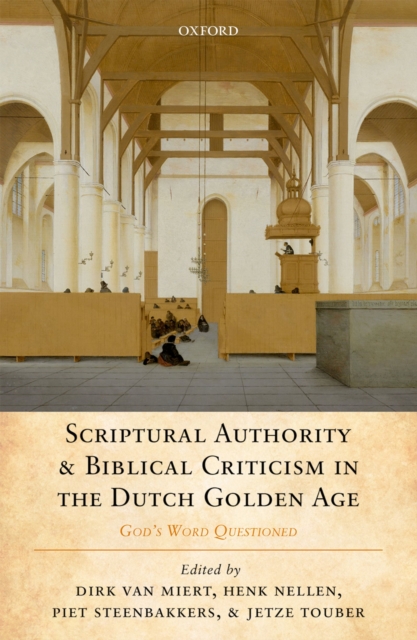
Scriptural Authority and Biblical Criticism in the Dutch Golden Age explores the hypothesis that in the long seventeenth century humanist-inspired biblical criticism contributed significantly to the decline of ecclesiastical truth claims.
The divine commands to annihilate the seven nations living in Canaan (to 'devote them to destruction', herem in Biblical Hebrew) are perhaps the most morally troubling texts of the Hebrew and Christian bibles.
Spinoza and Biblical Philology in the Dutch Republic, 1660-1710 investigates the biblical criticism of Spinoza from the perspective of the Dutch Reformed society in which the philosopher lived and worked.
The writing of letters often evokes associations of a single author and a single addressee, who share in the exchange of intimate thoughts across distances of space and time.