In the early days of the church, James taught a message of joyful endurance, resisting temptation, and putting into practice the truth of the word the church had received.
Although missio Dei--the mission of God--has been a burning theme in missiology since the end of the twentieth century, a key verse, John 3:16, has been widely neglected in missiology until today.
Questions concerning various topics such as knowing God's will, assurance of salvation, home life, and even dating relationships result from a lack in comprehending the Person of God the Father.
These study guides, part of a set from noted Bible scholar John MacArthur, take readers on a journey through biblical texts to discover what lies beneath the surface, focusing on meaning and context, and then reflecting on the explored passage or concept.
This concise interpretation of the apostle Paul's first letter to Timothy keeps technical matters to a minuimum, while making every effort to provide a clear explanation of each portion of the epistle.
The ultimate, all-in-one resource on what the Old Testament says about JesusAs Jesus walked the Emmaeus road, he showed his companions how the whole of Scripture foretold his coming.
These study guides, part of a set from noted Bible scholar John MacArthur, take readers on a journey through biblical texts to discover what lies beneath the surface, focusing on meaning and context, and then reflecting on the explored passage or concept.
These study guides, part of a set from noted Bible scholar, John MacArthur, take readers on a journey through biblical texts to discover what lies beneath the surface, focusing on meaning and context, and then reflecting on the explored passage or concept.
These study guides, part of a set from noted Bible scholar, John MacArthur, take readers on a journey through biblical texts to discover what lies beneath the surface, focusing on meaning and context, and then reflecting on the explored passage or concept.
Since the beginnings of this century western scholars have become familiar with Ignaz Goldziher's hypothesis concerning canonical hadith literature - that religious literary genre of Islam, second in holiness to the Qur'an, which allegedly comprises faithful accounts of what the Prophet of Islam said and did.
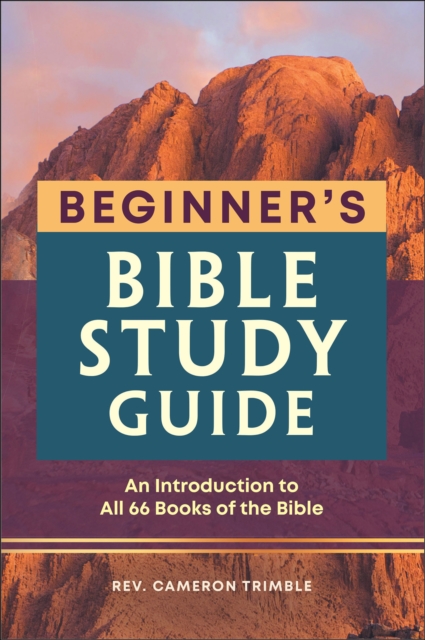
Explore each book of the Bible with a comprehensive Bible study guide for beginnersStudying Scripture can help you see God's love for all creation and apply God's wisdom to your life.
The Psalms: Language for All Seasons of the Soul brings together essays from eighteen Old Testament scholars discussing the latest in Psalms scholarship and applying exegetical insights to the life of faith.
More formal than most of Paul's letters, Romans systematically sets forth the doctrine of justification by faith, expanding and explaining Paul's theme statement in 1:17: The righteous shall live by faith.
Originally published in 1933, from the volume one preface: "e;The aim of this particular venture is to present the writings now collected in the volume called the Bible in an order approaching that in which they came into being.
Spanning thirty years, the papers brought together in this volume reflect three of Professor Colish's interests as a historian of medieval scholastic thought.