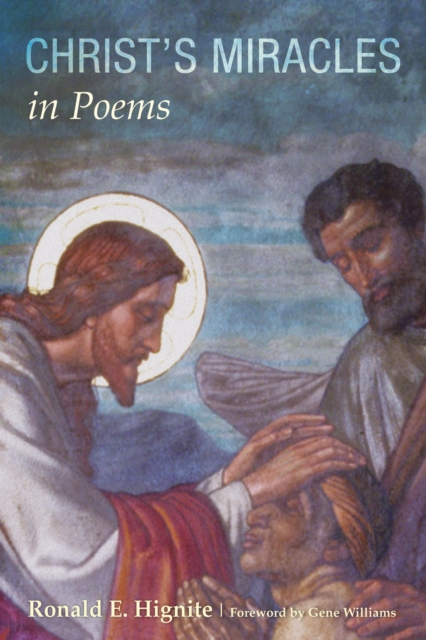
Christ's Miracles in Poems will inspire its readers through a greater understanding of Christ's miracles as revealed in the New Testament of the Bible.
The Shoah is without question the defining moment in modern history, and it has transformed the manner in which the Bible is read and how God is understood.
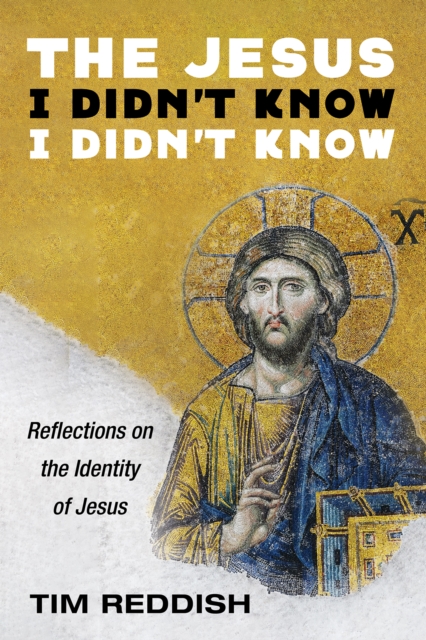
There are diverse perceptions and opinions about the person of Jesus, and these are based on various assumptions--whether someone is a Christian or not.
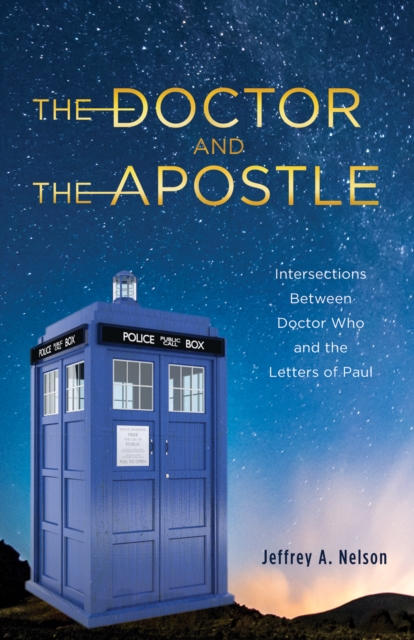
What could a first-century church planter and tentmaker who helped forge the earliest years of a new religious movement possibly have in common with a British time traveling alien who first appeared in the 1960s to teach children about history?
This book provides an exegetical-theological-rhetorical paradigm, "e;the Christ-oriented approach"e; (Lk 24:27, 44), that facilitates accuracy, effectiveness, and practicality in preaching the New Testament use of the Old.
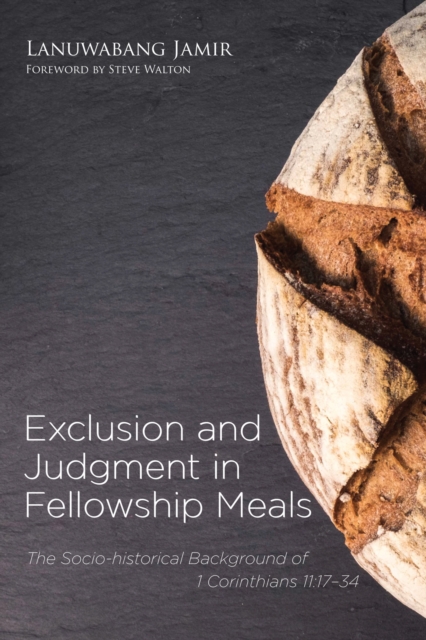
This book seeks to demonstrate that the fellowship meal traditions in the ancient world form the background against which the Lord's Supper must be understood.
The narrative material of the Bible often presents characters engaged in actions without providing explicit guidance as to how those actions are intended to be evaluated.
A Comprehensive Guide to Discipleship in the New Testament and Today's WorldAlthough the concept of discipleship is an integral part of New Testament teaching, it has largely faded from discussion in both the academy and the local church.
In the spring of 2020, as the coronavirus pandemic disrupted classrooms around the world, teachers scrambled to convert their lectures and presentations into a format more conducive to online and distance learning.
A scientist explores the harmony between Christian faith and scienceThough some Christians and many skeptics see science and Christianity as locked in a never-ending battle, geologist Gregg Davidson contends that there is tremendous harmony between Scripture and modern science.
In Using Our Outside Voice, Greg Carey contends that responsible public biblical interpretation requires the ability to enter a conversation about the Bible, to understand the various arguments in play, and to offer informed opinions that others can understand.
This volume provides an introduction and essays on the four key sections of the Hebrew Scriptures from the perspective of top female biblical scholars:Part One: Torah/PentateuchPart Two: Deuteronomistic History (Joshua–2 Kings)Part Three: Prophets and ProphecyPart Four: Writings and the Book of DanielThis volume highlights key issues in the Hebrew Scriptures from the perspective of top female biblical scholars.
Each volume in the Insights series discusses discoveries and insights gained into biblical texts from a particular approach or perspective in current scholarship.
What this book does aim to do is to encourage the asking of questions, knowing that it is not possible to obtain all the answers, allowing for an encounter with God in the spaces in between.
Beneath the commonplace affirmation that Jesus “paid for our sins” lie depths of implication: did God demand a blood sacrifice to assuage divine anger?
Apocalyptic scenarios remain prevalent and powerful in popular culture (in television, film, comic books, and popular fiction), in politics (in debates on climate change, environmentalism, Middle East policy, and military planning), and in various religious traditions.
The India Commentary on the New Testament (ICNT) series aims to give a well-informed exposition of the meaning of the text and relevant reflections in everyday language from a contemporary Indian context.
Understanding and Using the Bible is an engaging and exciting introduction to biblical methods and practices of study, edited by two trusted teachers in collaboration with a diverse array of contributors.
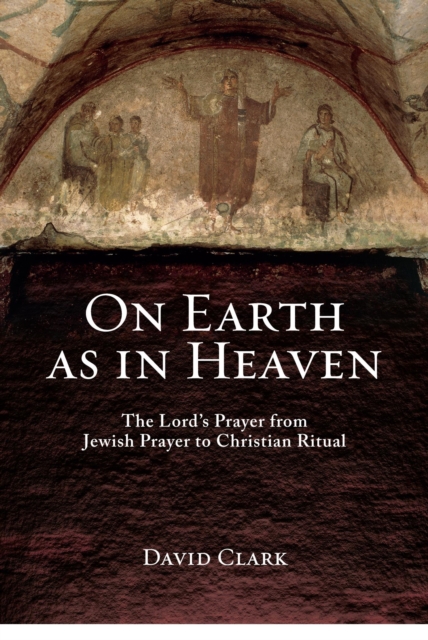
Convinced that we no longer have immediate access to the sense of Jesus’ words but must account for the history of its “effects,” David Clark seeks to trace the meaning of the Lord’s Prayer through the early centuries of the faith.
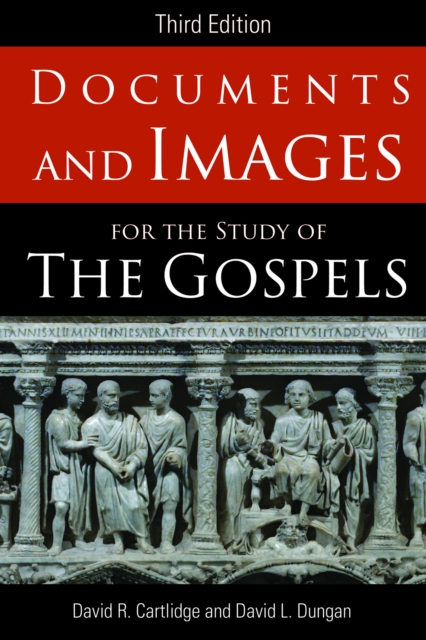
Since its first appearance in 1980, Documents for the Study of the Gospels has been a welcome and highly regarded sourcebook for the study of the historical environment of the Gospels, introducing religious, philosophical, and literary texts comparable to various aspects of the Gospels and illuminating their genre and the subgenres included in them.
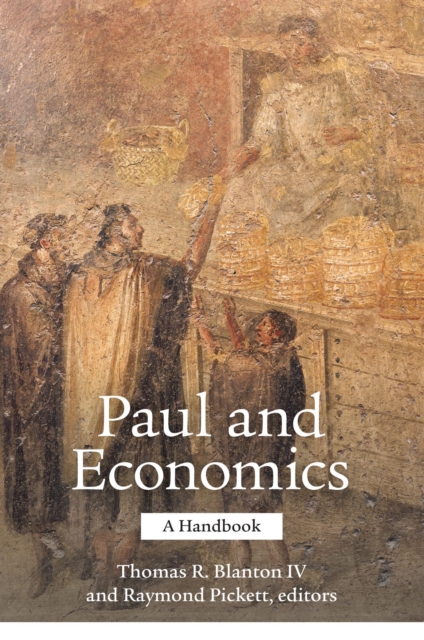
The social context of Paul’s mission and congregations has been the study of intense investigation for decades, but only in recent years have questions of economic realities and the relationship between rich and poor come to the forefront.
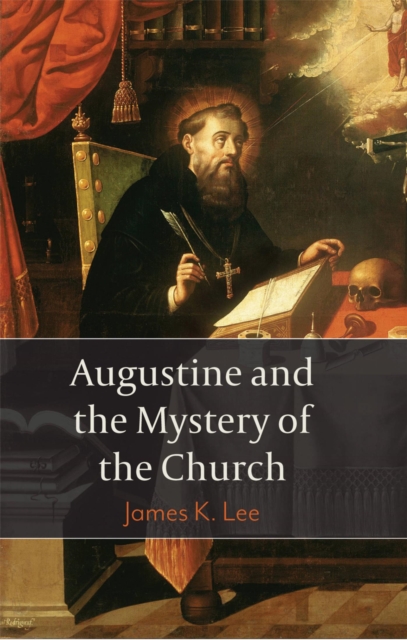
Over the course of the past two centuries, Augustine's ecclesiology has been subject to interpretations that overdraw the distinction between the visible and invisible dimensions of the church, sometimes reducing the church to a purely spiritual, invisible reality, over against the visible church celebrating the sacraments; the empirical community is incidental, at best, and can be discarded.